

How Do Neodymium Disc Magnets Compare to Regular Ferrite Magnets
2026-03-03
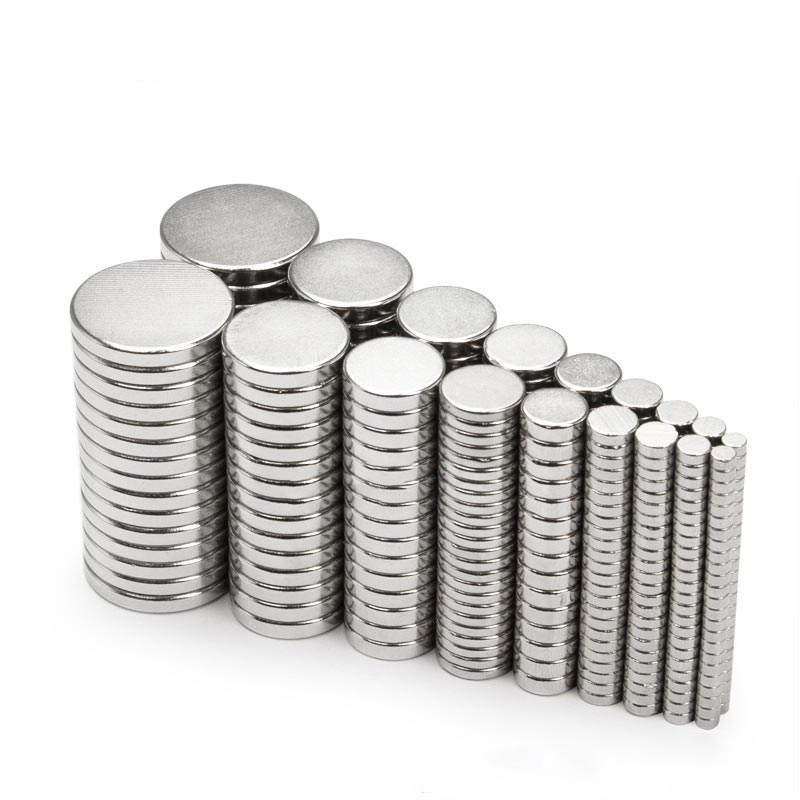
When selecting the right magnetic material for a project, understanding the difference between neodymium disc magnets and standard ferrite magnets is crucial. As a leading supplier in the industry, Zhaobao frequently assists engineers and hobbyists in making this critical choice. While both serve to create magnetic fields, their composition, performance, and ideal applications differ significantly.
Material Composition and Strength
The primary distinction lies in what they are made of. Neodymium disc magnets, also known as NdFeB magnets, are composed of an alloy of Neodymium, Iron, and Boron. They belong to the Rare Earth magnet family. In contrast, regular ferrite magnets (or ceramic magnets) are made from Strontium Carbonate and Iron Oxide.
This difference in composition leads to a vast disparity in magnetic strength. To illustrate this, consider the Magnetic Energy Product, a key indicator of a magnet's power density.
| Grade | Material Type | Max Energy Product (MGOe) | Relative Cost |
|---|---|---|---|
| N52 | Neodymium (Zhaobao Premium) | 52 | High |
| N35 | Neodymium (Standard) | 35 | Medium |
| Ferrite 5 | Ceramic | 3.5 | Low |
As the table demonstrates, even a standard grade neodymium disc magnet can be over ten times stronger than a ferrite magnet of the same size.
Key Performance Factors
When comparing these two types, several performance factors must be evaluated to ensure you select the correct magnet from Zhaobao for your application.
-
Magnetic Strength: Neodymium disc magnets offer the highest magnetic flux density available commercially. Ferrite magnets offer significantly lower pull force and holding strength.
-
Cost: Ferrite magnets are very inexpensive to produce. Neodymium disc magnets are more costly due to the materials and manufacturing process, though their power often justifies the price.
-
Corrosion Resistance: Ferrite magnets are naturally rust-proof. Neodymium disc magnets are prone to corrosion and require protective coatings such as Nickel-Copper-Nickel, Gold, or Epoxy, which Zhaobao applies to all products.
-
Temperature Stability: Standard ferrites can handle high operating temperatures well. While specialized high-temp grades of neodymium disc magnets exist, standard neodymium can lose magnetism permanently if exposed to heat beyond its rated maximum.
Common Applications
Because of their distinct properties, these two types of magnets are rarely interchangeable in professional settings.
Neodymium Disc Magnets are preferred for:
-
High-tech holding assemblies
-
Miniature motors and sensors
-
Magnetic resonance imaging (MRI) machines
-
High-end consumer electronics
-
Industrial magnetic separators
Regular Ferrite Magnets are commonly found in:
-
Refrigerator magnets
-
Loudspeakers (where large volume is possible)
-
Craft projects
-
Whiteboard erasers
-
DC motors in small appliances
Why Choose Zhaobao Neodymium Magnets?
Choosing neodymium disc magnets from Zhaobao means opting for maximum power in a compact size. While ferrite magnets have their place in cost-sensitive or high-temperature applications where size is not a constraint, neodymium disc magnets provide the superior performance required for modern engineering and design.
Frequently Asked Questions
How much stronger are neodymium disc magnets compared to ferrite magnets?
Generally speaking, a neodymium disc magnet is approximately 10x stronger than a standard ferrite magnet of the same dimensions. In technical terms, neodymium has a maximum energy product (BHmax) ranging from 35 to 52 MGOe, whereas ferrite magnets typically max out around 3.5 to 5 MGOe. This means for applications requiring high holding force in a limited space, neodymium disc magnets are the only viable option.
Will neodymium disc magnets rust like ferrite magnets do?
No, the behavior regarding rust is reversed. Ferrite magnets are inherently corrosion-resistant and do not rust. However, neodymium disc magnets are composed mainly of Iron and will oxidize (rust) rapidly if left uncoated. This is why Zhaobao ensures all neodymium disc magnets are plated with a protective layer of Nickel, Zinc, or Epoxy to prevent corrosion and ensure longevity in various environments.
Can I replace a ferrite magnet with a neodymium disc magnet in my device?
In most cases, yes, but you must be cautious. Because neodymium disc magnets are significantly stronger, simply swapping them can cause mechanical damage to the device or make assembly dangerous due to the intense magnetic pull. However, downsizing is often possible. You can frequently replace a large, bulky ferrite magnet with a much smaller neodymium disc magnet from Zhaobao to achieve the same holding force, freeing up space for other components.
Need Help Choosing the Right Magnet?
Selecting between ferrite and neodymium disc magnets depends entirely on your specific requirements for strength, budget, and environment. At Zhaobao, we specialize in providing high-performance magnetic solutions tailored to your needs.
Contact Zhaobao Today for expert advice and a free quote on your next project.