

How Do Hydraulic Hoses Enhance Industrial Efficiency?
2026-03-27
Abstract: Hydraulic hoses are the backbone of modern hydraulic systems, ensuring smooth operation, safety, and efficiency across various industries. This article explores the types, applications, maintenance tips, and selection criteria for hydraulic hoses, helping businesses optimize performance while minimizing downtime and costs. With insights from YITAI, a leading hydraulic hose manufacturer, we guide you through practical solutions for all your hydraulic needs.
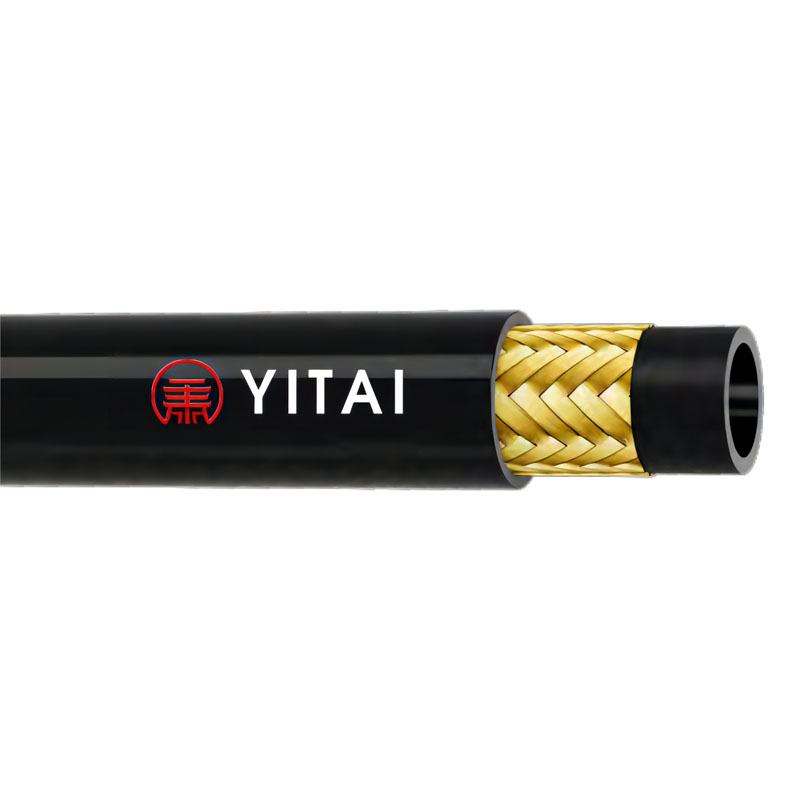
Table of Contents
- What Are Hydraulic Hoses?
- Types of Hydraulic Hoses
- Applications of Hydraulic Hoses
- Common Issues and Maintenance
- How to Select the Right Hose
- FAQ
What Are Hydraulic Hoses?
Hydraulic hoses are flexible tubes designed to carry hydraulic fluid under high pressure to various components in a hydraulic system. Unlike rigid pipes, hoses offer flexibility, vibration absorption, and ease of installation, which is crucial in dynamic industrial environments.
Key Features of Hydraulic Hoses:
- High-pressure resistance for industrial applications
- Flexibility to navigate complex machinery layouts
- Durability against abrasion, heat, and chemical exposure
- Leak-proof design for safety and efficiency
Types of Hydraulic Hoses
Hydraulic hoses come in several types, each tailored to specific operational needs. Choosing the right type is critical to prevent system failure and maintain productivity.
| Hose Type | Material | Pressure Range | Common Applications |
|---|---|---|---|
| Thermoplastic Hydraulic Hose | Plastic & Reinforced Fiber | Up to 3000 psi | Construction, agriculture machinery |
| Rubber Hydraulic Hose | Multi-layered Rubber | Up to 5000 psi | Industrial machinery, material handling |
| Wire-Reinforced Hydraulic Hose | Steel Wire with Rubber or Thermoplastic | Up to 10,000 psi | Heavy machinery, mining equipment |
Applications of Hydraulic Hoses
Hydraulic hoses are used in a variety of sectors where fluid power is essential. Their flexibility and strength make them indispensable for both mobile and industrial equipment.
- Construction Equipment: Excavators, loaders, and cranes rely on hydraulic hoses for fluid transmission.
- Agricultural Machinery: Tractors and harvesters use hoses for hydraulic lifts and attachments.
- Industrial Manufacturing: Presses, injection molding machines, and assembly lines utilize high-pressure hoses.
- Mining Operations: Mining equipment demands durable, high-pressure hoses to operate in harsh conditions.
Common Issues and Maintenance
Even the best hydraulic hoses can fail without proper care. Common issues include leaks, abrasion, kinking, and pressure loss. Routine maintenance is critical to prolong hose life and prevent downtime.
Maintenance Tips:
- Inspect hoses regularly for wear, cracks, or leaks.
- Ensure proper routing to avoid sharp bends or rubbing against surfaces.
- Replace hoses that show signs of deterioration immediately.
- Use protective sleeves in high-abrasion areas.
- Follow manufacturer guidelines, such as YITAI's recommended service intervals.
How to Select the Right Hose
Choosing the correct hydraulic hose involves evaluating several factors:
- Pressure Rating: Ensure the hose meets or exceeds the system’s maximum operating pressure.
- Temperature Range: Consider ambient and fluid temperatures to prevent hose degradation.
- Fluid Compatibility: Verify that the hose material is compatible with the hydraulic fluid in use.
- Length and Flexibility: Measure accurately to reduce stress and prevent kinking.
- End Fittings: Choose fittings that match system ports and ensure leak-free connections.
By following these criteria, companies can select hoses that reduce maintenance costs, improve safety, and maximize efficiency. YITAI provides a wide range of hoses designed to meet these exacting standards.
FAQ
Q1: How often should hydraulic hoses be inspected?
A: Hoses should be inspected at least monthly, or more frequently in harsh operating conditions.
Q2: Can hydraulic hoses handle high temperatures?
A: Yes, but it depends on the material. Rubber hoses generally handle -40°C to 100°C, while thermoplastic hoses may have higher or lower ranges.
Q3: What is the typical lifespan of a hydraulic hose?
A: Lifespan varies by use and maintenance but typically ranges from 3 to 10 years.
Q4: Why choose YITAI hydraulic hoses?
A: YITAI hoses combine durability, flexibility, and industry compliance, ensuring maximum operational efficiency.
Hydraulic hoses are essential for reliable and efficient operation in a wide array of industries. By understanding types, applications, and maintenance best practices, businesses can optimize their hydraulic systems while minimizing downtime and cost. For high-quality, durable, and industry-standard hydraulic hoses, trust YITAI. Contact us today to explore our full range of solutions and elevate your hydraulic operations.