

How Do FPC Antennas Improve Wireless Device Performance?
2026-08-03
Article Summary
As modern electronic devices become thinner, smarter, and more connected, antenna design has become a critical factor affecting wireless performance. FPC Antennas (Flexible Printed Circuit Antennas) provide an effective solution for manufacturers who need compact, lightweight, and high-performance wireless communication components. This article explains how FPC Antennas work, why they are widely used in modern electronic applications, what challenges engineers face during antenna integration, and how Qianmu Communication helps businesses achieve reliable wireless connectivity through customized antenna solutions.
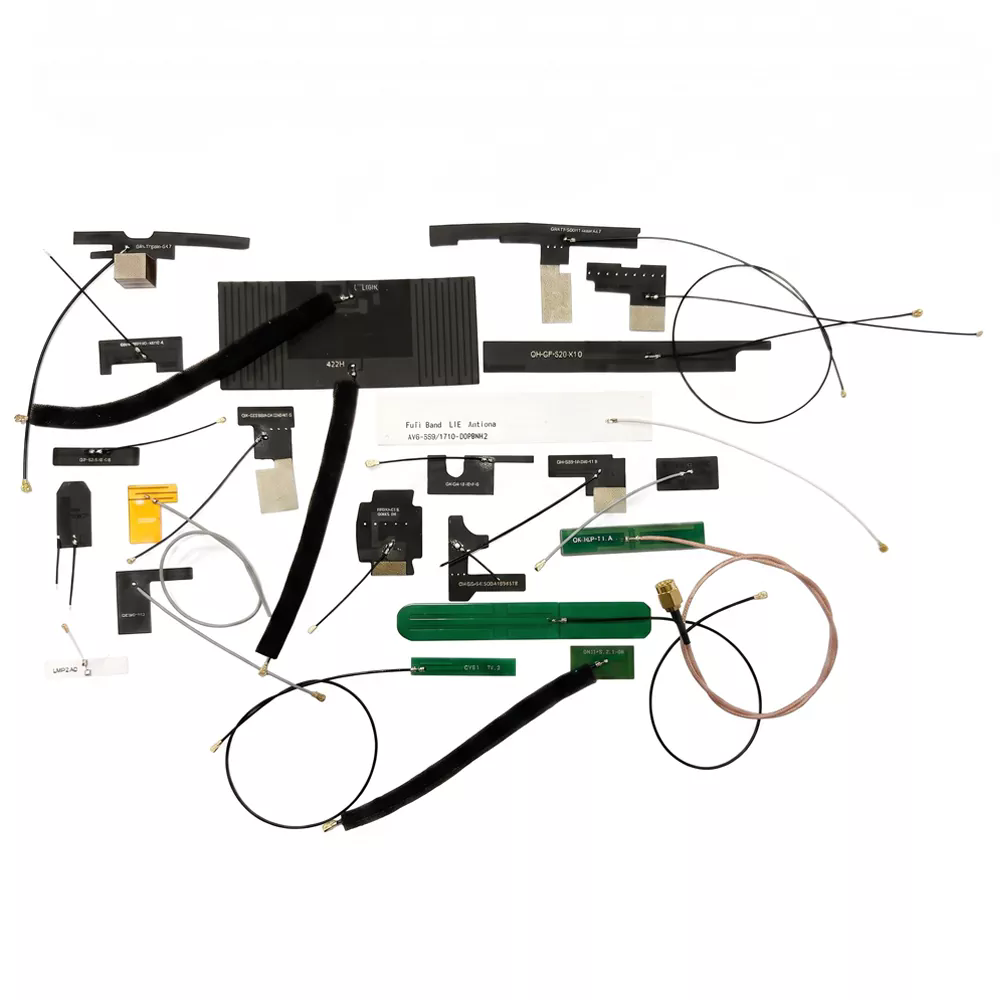
From wearable devices and smart terminals to industrial equipment and IoT products, FPC Antennas offer excellent flexibility, stable signal transmission, and efficient space utilization. Understanding their advantages can help product designers select the right antenna technology and avoid common wireless performance problems.
Table of Contents
- What Are FPC Antennas?
- How Do FPC Antennas Work?
- Why Are FPC Antennas Important for Modern Devices?
- Key Advantages of Using FPC Antennas
- Common Challenges in FPC Antenna Integration
- Applications of FPC Antennas Across Industries
- How Qianmu Communication Provides Customized FPC Antenna Solutions
- Frequently Asked Questions About FPC Antennas
What Are FPC Antennas?
FPC Antennas are flexible antenna components manufactured by using flexible printed circuit technology. Unlike traditional rigid antennas, these antennas can be bent, folded, and installed in compact spaces while maintaining reliable radio frequency performance.
The basic structure of an FPC Antenna usually includes a flexible substrate, conductive metal layer, adhesive materials, and protective covering. This lightweight construction allows engineers to integrate antennas into products with limited internal space without sacrificing communication quality.
With the rapid growth of wireless technologies, manufacturers increasingly require antenna solutions that can adapt to complex product structures. FPC Antennas meet this demand by combining mechanical flexibility with excellent electrical characteristics.
Compared with conventional antenna solutions, FPC Antennas provide greater design freedom, making them suitable for devices where appearance, size, and performance are equally important.
How Do FPC Antennas Work?
FPC Antennas operate based on electromagnetic wave transmission and reception principles. When connected to a wireless communication module, the antenna converts electrical signals into electromagnetic waves for transmission. During receiving operations, it captures external signals and converts them back into electrical signals that the device can process.
The performance of an FPC Antenna depends on several important design factors, including antenna structure, frequency range, impedance matching, installation position, and surrounding materials.
| Performance Factor | Impact on Antenna Performance |
|---|---|
| Frequency Range | Determines compatibility with wireless communication standards. |
| Impedance Matching | Improves signal efficiency and reduces transmission loss. |
| Antenna Placement | Affects signal coverage and overall communication stability. |
| Material Selection | Influences durability, flexibility, and electrical performance. |
Professional antenna manufacturers carefully analyze these factors during design and testing to ensure stable performance in real-world environments.
Why Are FPC Antennas Important for Modern Devices?
The demand for smaller and smarter electronic products has created significant challenges for antenna designers. Traditional antennas often require more installation space and may limit product design flexibility.
FPC Antennas solve these problems by allowing manufacturers to place antennas in irregular or narrow areas inside a device. This capability is especially valuable for products that require compact structures while maintaining strong wireless connections.
- Supports miniaturized product designs.
- Provides flexible installation options.
- Maintains stable wireless communication performance.
- Reduces restrictions caused by internal space limitations.
- Allows customized designs for different applications.
As industries continue adopting technologies such as 5G communication, Bluetooth connectivity, Wi-Fi systems, and IoT networks, reliable antenna solutions have become essential for product success.
Key Advantages of Using FPC Antennas
FPC Antennas provide multiple benefits for electronic manufacturers and product developers. Their unique structure allows them to overcome many limitations associated with traditional antenna designs.
- Flexible Installation: The bendable structure allows antennas to fit into complicated product layouts.
- Space Efficiency: FPC Antennas occupy less internal space, supporting thinner and smaller devices.
- Lightweight Construction: Flexible materials reduce overall product weight.
- Reliable Signal Performance: Properly designed FPC Antennas provide stable wireless transmission.
- Customization Capability: Antenna dimensions, frequency ranges, and connection methods can be adjusted according to product requirements.
These advantages make FPC Antennas an ideal choice for manufacturers looking to improve product functionality while maintaining compact designs.
Common Challenges in FPC Antenna Integration
Although FPC Antennas offer many advantages, successful integration requires professional knowledge and careful engineering. Poor antenna design may result in weak signals, unstable connections, or reduced communication range.
- Limited Installation Space: Nearby components may interfere with antenna performance.
- Signal Interference: Batteries, metal parts, and electronic circuits can affect antenna efficiency.
- Incorrect Matching Design: Poor impedance matching can cause signal loss.
- Environmental Factors: Temperature, humidity, and mechanical stress may influence long-term reliability.
Working with an experienced antenna provider helps manufacturers reduce development risks and achieve better wireless performance.
Applications of FPC Antennas Across Industries
Due to their flexibility and performance advantages, FPC Antennas are widely used in various industries where reliable wireless communication is required.
- Consumer Electronics: Smartphones, tablets, smart watches, and portable devices.
- IoT Equipment: Smart sensors, connected devices, and monitoring systems.
- Automotive Electronics: Vehicle communication modules and intelligent systems.
- Medical Equipment: Portable healthcare devices requiring wireless connectivity.
- Industrial Applications: Automation equipment and remote monitoring solutions.
The ability to customize antenna structures allows FPC Antennas to support a wide range of product requirements.
How Qianmu Communication Provides Customized FPC Antenna Solutions
Qianmu Communication focuses on providing professional antenna solutions designed for different wireless applications. By combining engineering experience with advanced manufacturing capabilities, the company helps customers develop reliable and efficient FPC Antenna products.
Qianmu Communication understands that every electronic product has unique requirements. Therefore, customized solutions can be developed according to factors such as device structure, frequency requirements, installation environment, and communication standards.
- Customized antenna design based on customer product requirements.
- Professional technical support during development stages.
- Flexible solutions for different wireless applications.
- Reliable production processes to ensure consistent quality.
Through continuous improvement and customer-focused development, Qianmu Communication helps businesses achieve better wireless performance and faster product innovation.
Frequently Asked Questions About FPC Antennas
Q1: What makes FPC Antennas different from traditional antennas?
FPC Antennas use flexible printed circuit technology, allowing them to fit into compact and irregular spaces while maintaining reliable wireless performance.
Q2: Can FPC Antennas support different wireless technologies?
Yes. FPC Antennas can be designed for various communication technologies, including Wi-Fi, Bluetooth, cellular networks, and IoT applications.
Q3: Are FPC Antennas suitable for small electronic devices?
Yes. Their lightweight and flexible design makes them especially suitable for compact products with limited internal space.
Q4: Can Qianmu Communication provide customized FPC Antenna designs?
Yes. Qianmu Communication provides customized antenna solutions according to specific product requirements and application environments.
Q5: How can manufacturers improve FPC Antenna performance?
Manufacturers should consider antenna placement, impedance matching, surrounding components, and professional testing during product development.
Conclusion
FPC Antennas have become an important solution for modern wireless devices because they combine flexibility, compact design, and reliable communication performance. As electronic products continue becoming smaller and more connected, choosing the right antenna technology is essential for achieving stable wireless performance.
With professional experience and customized development capabilities, Qianmu Communication supports customers in creating efficient wireless products with high-quality FPC Antenna solutions. If you are looking for reliable antenna design and manufacturing support, contact us today to discuss your requirements and discover the right solution for your project.