Abstract
Electronic weighing instruments have become an essential component in industries where precision, speed, and reliability are critical. From logistics and manufacturing to laboratories and retail, these devices ensure consistent measurement accuracy while reducing human error. This article explores how electronic weighing instruments work, the key technologies behind them, common challenges users face, and how businesses can choose the right system for operational efficiency. It also provides practical insights, comparative data, and industry applications to help decision-makers optimize weighing processes.
Article Outline
-
Definition and working principle of electronic weighing instruments
-
Sensor technology and signal conversion process
-
Industrial applications and operational advantages
-
Common issues faced by users in real environments
-
Comparison between electronic and mechanical weighing systems
-
Selection criteria for different industries
-
Maintenance strategies for long-term performance
-
Practical FAQs for buyers and operators
Introduction to Electronic Weighing Instruments
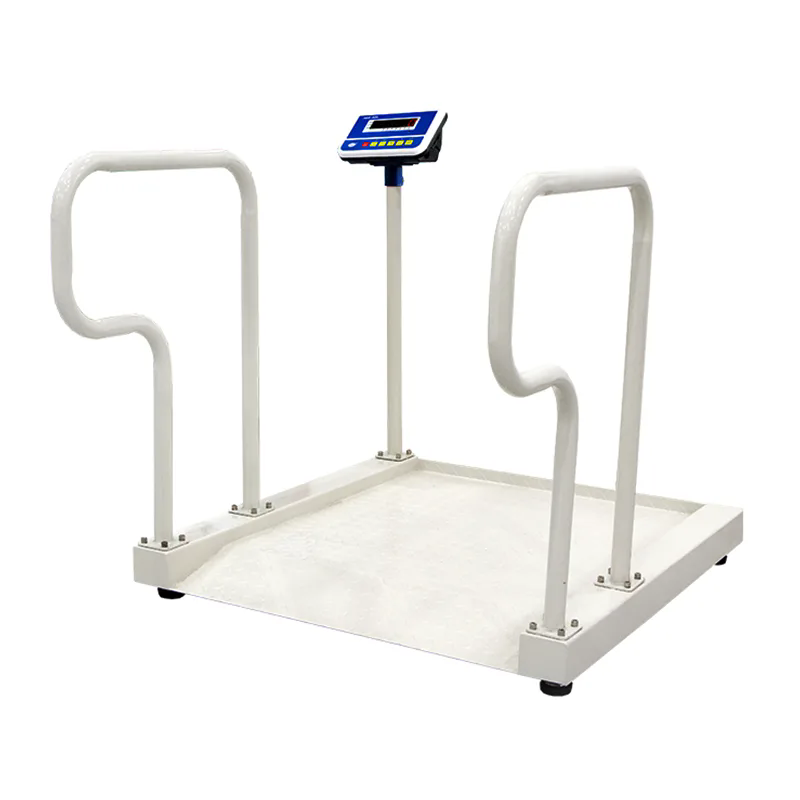
Electronic weighing instruments are precision devices designed to measure mass using digital sensors instead of mechanical springs or balances. Unlike traditional systems, they convert physical force into electrical signals, enabling highly accurate and repeatable measurements.
These instruments are widely used in industrial production lines, laboratories, logistics hubs, food processing facilities, and retail environments where consistency and accuracy are non-negotiable.
Core Technology Behind Electronic Weighing Systems
The foundation of electronic weighing instruments lies in load cell technology. A load cell is a transducer that converts force into measurable electrical output.
Working Process Overview:
-
Object is placed on the weighing platform
-
Load cell detects force (weight)
-
Strain gauges inside the load cell deform slightly
-
Electrical resistance changes proportionally
-
Signal is processed by an ADC (Analog-to-Digital Converter)
-
Final value is displayed digitally
This system eliminates mechanical wear and significantly improves long-term accuracy.
Key Benefits and Industry Applications
Primary Advantages:
-
High precision and repeatability
-
Faster measurement cycles
-
Reduced human error
-
Digital data integration capabilities
-
Automation compatibility for smart factories
Common Industry Applications:
-
Manufacturing: raw material measurement and quality control
-
Logistics: parcel and freight weighing
-
Pharmaceuticals: precise formulation control
-
Food industry: packaging consistency and compliance
-
Retail: point-of-sale weighing systems
Common Challenges and User Pain Points
Despite their advantages, users often face operational challenges with electronic weighing instruments:
-
Calibration drift over time due to environmental changes
-
Electrical interference affecting signal stability
-
Dust and moisture impacting sensor longevity
-
Incorrect installation leading to inaccurate readings
-
High initial investment compared to mechanical scales
Addressing these challenges requires proper installation, routine maintenance, and selecting equipment suitable for specific environments.
Comparison Table of Weighing Systems
|
Feature
|
Electronic Weighing Instruments
|
Mechanical Weighing Systems
|
|
Accuracy
|
High precision (digital calibration)
|
Moderate, prone to wear
|
|
Speed
|
Fast response time
|
Slower manual reading
|
|
Maintenance
|
Requires periodic calibration
|
Frequent mechanical adjustment
|
|
Data Integration
|
Supports digital systems
|
Limited or none
|
|
Durability
|
High with proper care
|
Depends on mechanical wear
|
How to Choose the Right Instrument
Selecting the right electronic weighing instrument depends on operational requirements. Businesses should consider:
-
Required weighing capacity (kg, tons, grams)
-
Accuracy level needed for operations
-
Environmental conditions (humidity, dust, vibration)
-
Integration with existing software systems
-
Portability vs fixed installation requirements
Choosing the wrong system can lead to inefficiencies, product loss, and compliance risks in regulated industries.
Maintenance and Calibration Practices
Proper maintenance ensures long-term reliability of electronic weighing instruments. Recommended practices include:
-
Regular calibration using certified weights
-
Keeping the platform clean and free of debris
-
Avoiding overload beyond rated capacity
-
Protecting equipment from moisture and vibration
-
Periodic inspection of load cells and wiring
Preventive maintenance significantly extends equipment lifespan and reduces operational downtime.
Frequently Asked Questions
What makes electronic weighing instruments more accurate than mechanical ones?
They use load cell sensors and digital signal processing, which eliminate manual reading errors and mechanical wear.
How often should calibration be performed?
It depends on usage intensity, but most industrial systems require calibration every 3–6 months.
Can electronic weighing instruments be used in harsh environments?
Yes, but models designed with protective enclosures (IP-rated systems) should be selected for dust or moisture-heavy environments.
What industries benefit most from these systems?
Manufacturing, logistics, pharmaceuticals, food processing, and retail industries benefit significantly due to accuracy and automation needs.
Conclusion & Contact
Electronic weighing instruments play a critical role in improving operational accuracy, efficiency, and data integration across modern industries. While challenges such as calibration and environmental sensitivity exist, proper selection and maintenance significantly mitigate these issues.
Businesses seeking reliable and high-performance weighing solutions can explore advanced product systems from J-Sky. For tailored specifications, technical consultation, or bulk procurement solutions, J-Sky contact us to get professional support and product guidance.