

How Do Cobalt Magnets Compare to Neodymium Magnets in Terms of Cost and Durability
2026-02-26
In the world of modern engineering, selecting the right magnetic material is critical for performance and budget. Two of the most powerful families of permanent magnets dominate the market: rare-earth neodymium magnets and the versatile cobalt magnets, often referred to as Samarium Cobalt (SmCo). As a leading supplier in this space, Zhaobao frequently assists clients in navigating the choice between these two heavyweights based on cost and durability. Understanding their fundamental differences ensures that your application receives the optimal balance of power, longevity, and economic feasibility.
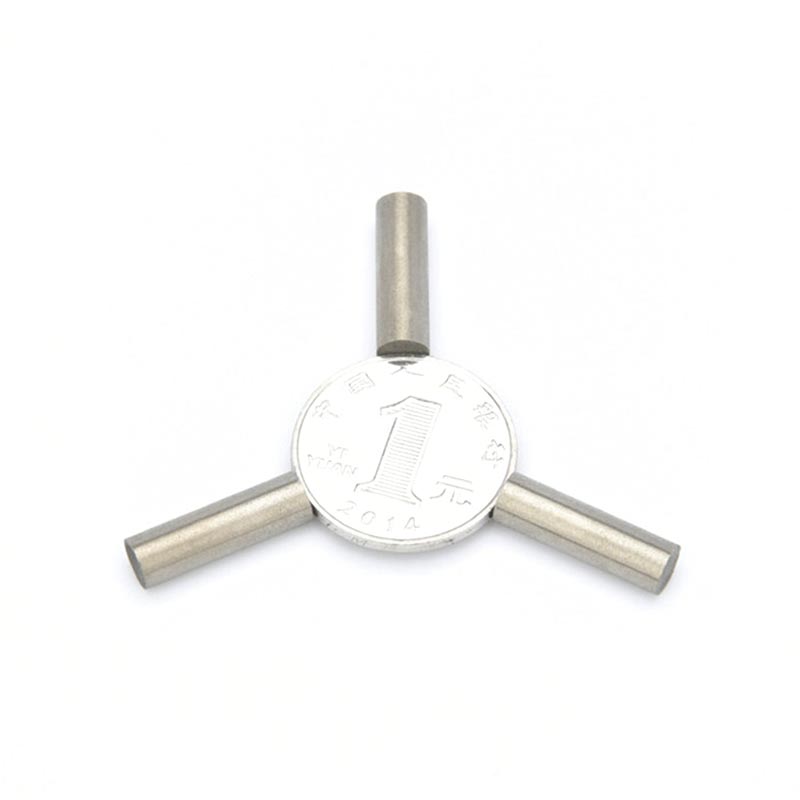
Cost Analysis: Material Scarcity vs. Manufacturing Complexity
When comparing cobalt magnets to neodymium magnets, the price dynamics are driven by raw material supply chains and production processes. Neodymium magnets are generally less expensive to produce because Neodymium is more abundant than Samarium. However, cobalt magnets contain Cobalt and Samarium, materials that are subject to geopolitical market fluctuations.
While neodymium magnets often have a lower upfront cost, the total cost of ownership can favor cobalt magnets in environments where replacement is difficult or expensive.
| Factor | Cobalt Magnets (SmCo) | Neodymium Magnets (NdFeB) |
|---|---|---|
| Raw Material Cost | Higher (due to Cobalt & Samarium) | Moderate (due to Neodymium abundance) |
| Manufacturing Cost | Complex, requires inert gas processing | Established mass-production methods |
| Market Volatility | Stable pricing due to diverse Cobalt sources | Subject to rare-earth export quotas |
| Cost Efficiency | Best for high-temp, corrosive environments | Best for room-temp, high-volume applications |
Durability: Thermal Resistance and Corrosion Protection
Durability is where cobalt magnets truly distinguish themselves. A standard neodymium magnet begins to lose its magnetic properties irreversibly at temperatures above 80°C (176°F). In contrast, cobalt magnets can operate continuously at temperatures up to 350°C (662°F) without significant flux loss. This makes them the only choice for aerospace turbines and automotive sensors.
Furthermore, cobalt magnets possess inherent corrosion resistance. Neodymium magnets are notoriously susceptible to oxidation; if their nickel or zinc coating is damaged, they will crumble into a rust-colored powder. Cobalt magnets generally require no coating, simplifying design in humid or chemical-heavy environments.
Performance Comparison Table
To visualize the trade-offs, Zhaobao recommends reviewing the following performance metrics:
-
Max Operating Temp: Cobalt (300°C+) vs. Neodymium (≤150°C)
-
Corrosion Resistance: Cobalt (Excellent, no coating needed) vs. Neodymium (Poor, requires plating)
-
Magnetic Strength: Cobalt (High) vs. Neodymium (Very High - strongest on the market)
-
Brittleness: Cobalt (Moderate) vs. Neodymium (High)
FAQ: Common Questions About Cobalt Magnets
Q: Are cobalt magnets stronger than neodymium magnets?
A: In terms of raw magnetic pull force (measured in MGOe), standard neodymium magnets generally exhibit higher energy products than standard cobalt magnets. However, "strength" is application-dependent. At elevated temperatures, a cobalt magnet will outperform a neodymium magnet because neodymium loses magnetism rapidly as it heats up. For room-temperature applications requiring maximum force in a small package, neodymium wins; for high-heat stability, cobalt magnets are superior.
Q: Why are cobalt magnets so expensive?
A: The cost of cobalt magnets is primarily driven by two factors: the complexity of the material composition and the manufacturing environment. They contain Samarium, which is a less common rare-earth element, and Cobalt, a strategic metal with a complex supply chain. Additionally, the sintering process for SmCo must be done in a carefully controlled atmosphere to prevent oxidation, which adds to production time and cost compared to the more straightforward production of ferrite or bonded neodymium.
Q: Will cobalt magnets rust or corrode over time?
A: No, one of the standout features of cobalt magnets is their excellent corrosion resistance. Unlike sintered neodymium magnets, which are porous and require a protective coating (like Nickel-Copper-Nickel) to prevent rust, cobalt magnets are highly resistant to oxidation and corrosion in their natural state. This makes them ideal for applications in marine environments, chemical processing, or oil drilling where protective coatings might be compromised.
Conclusion
Choosing between cobalt magnets and neodymium magnets ultimately hinges on your operating environment. If you need the absolute highest magnetic force at room temperature and cost is the primary constraint, neodymium is suitable. However, if your project demands stability under high heat, intrinsic corrosion resistance, and long-term reliability, cobalt magnets are the superior investment.
At Zhaobao, we provide expert guidance to ensure you select the perfect magnetic solution for your engineering challenges.
Contact Us today to discuss your specific requirements and request a quote for high-performance cobalt magnets.