

How Do Automotive Relays Improve Vehicle Reliability and Electrical Control?
2026-04-17
When I evaluate electrical components for modern vehicles, I always pay close attention to relay performance because even a small switching failure can create larger problems across the whole system. While reviewing solutions from Ningbo Huaguan Electronics Co., Ltd., I found that choosing the right Automotive Relays is not only about switching current on and off. It is also about building stable, efficient, and durable electrical control for lighting, cooling fans, power windows, horns, battery systems, and many other automotive functions. For buyers, engineers, and distributors, reliable Automotive Relays can reduce maintenance concerns, improve circuit safety, and support long-term vehicle performance in demanding environments.
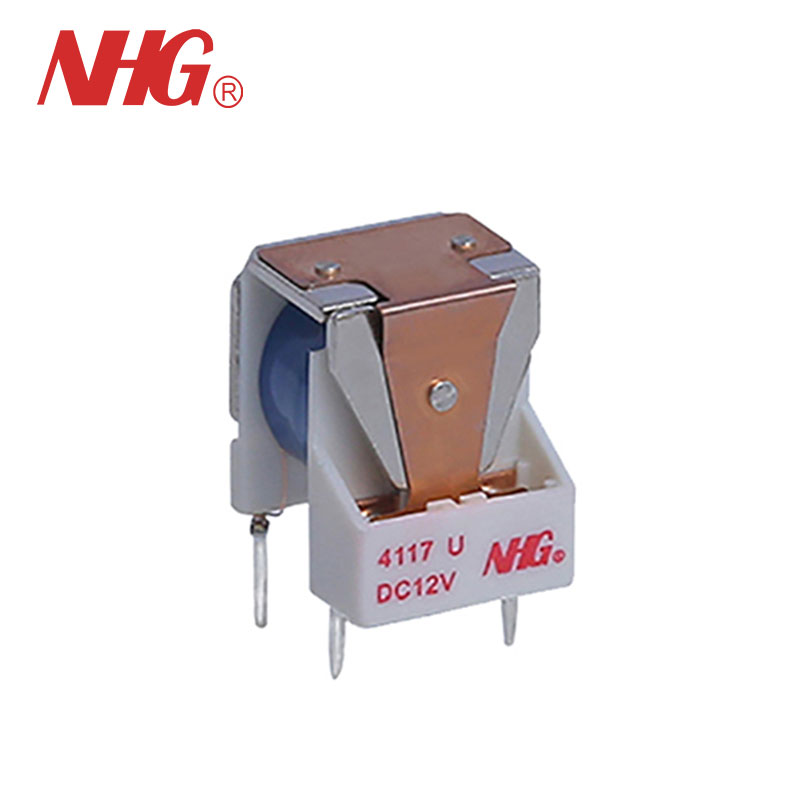
Why Do Vehicles Still Depend on Automotive Relays in an Age of Smarter Electronics?
I often see people assume that advanced vehicle electronics have made relays less important, but the opposite is true. As vehicles become more complex, the demand for dependable switching components grows. Electronic control units need safe and efficient ways to manage high-current loads without sending all that current through delicate dashboard switches or control modules.
That is where Automotive Relays continue to prove their value. They allow a low-current control signal to switch a higher-current circuit, which helps protect sensitive wiring and improves overall control logic. In practical terms, this means better system protection, more stable operation, and easier integration into both conventional and newer vehicle platforms.
- I use relays to separate control circuits from load circuits more safely.
- I rely on relay-based switching when stable current handling matters.
- I look for compact designs when installation space is limited.
- I prefer sealed or protected structures when moisture, dust, or vibration may affect performance.
What Problems Do Buyers Usually Face When Choosing Automotive Relays?
In my experience, many sourcing problems do not come from price alone. They usually come from unclear technical matching. A relay may look suitable on paper, but if the current rating, coil power, mounting style, or structural design is wrong, the part can create avoidable failures in the field.
The most common concerns I hear from buyers include the following:
- Will the relay handle the required switching current without premature wear?
- Is the product compact enough for today’s tighter automotive layouts?
- Can it perform well under heat, vibration, and long operating cycles?
- Is the relay available in plug-in or PCB form for the target application?
- Will product consistency stay stable across repeat orders?
- Can the supplier support both standard demand and customized needs?
Which Features Make High-Quality Automotive Relays Worth the Investment?
When I compare products in this category, I focus on the features that directly affect reliability in real vehicle conditions. Good relays are not just switching devices. They are engineered to support electrical stability while fitting modern production and maintenance demands.
| Feature | Why I Think It Matters | Buyer Benefit |
|---|---|---|
| Wide current range | Supports different automotive loads from lighter circuits to heavier power applications | Greater flexibility across multiple vehicle systems |
| Compact structure | Helps fit crowded layouts in modern automotive designs | Easier installation and better space efficiency |
| Low coil power consumption | Reduces unnecessary power draw in the control side of the circuit | Improved system efficiency |
| Sealed or protected options | Helps resist dust, moisture, and other environmental influences | Better durability in real operating conditions |
| PCB and plug-in options | Allows adaptation to different assembly and design needs | More sourcing convenience for OEM and aftermarket projects |
| Compliance-friendly design | Supports broader market acceptance and purchasing confidence | Smoother project approval and supply coordination |
From a practical standpoint, these features help me judge whether a supplier understands real application needs rather than simply listing general specifications.
How Can the Right Automotive Relays Help Reduce Maintenance and Failure Risks?
I always remind buyers that relay quality has a direct effect on field reliability. When a relay is poorly matched or inconsistently manufactured, problems often appear as intermittent electrical faults, weak switching response, overheating, or premature contact wear. These are the kinds of issues that consume service time and damage buyer confidence.
By choosing suitable Automotive Relays, I can better manage several common risks:
- Reduced chance of unstable switching under repeated operation
- Lower risk of electrical overload impact on control circuits
- Improved durability in vibration-prone environments
- Better long-term performance in automotive accessories and control systems
- More consistent output quality for OEM or replacement applications
That is especially important for buyers who serve markets where reliability expectations are high. A dependable relay may not be the most visible part in a vehicle, but it strongly influences how dependable the whole system feels over time.
What Should I Check Before Ordering Automotive Relays in Bulk?
When I prepare for volume purchasing, I do not rely on product names alone. I go through a practical checklist so I can reduce mismatch risk before the order is finalized. This saves time for both the buyer and the supplier.
| Checkpoint | What I Review | Why It Helps |
|---|---|---|
| Current requirement | Rated switching current for the target circuit | Prevents under-spec selection |
| Mounting style | PCB type or plug-in type | Ensures installation compatibility |
| Available space | Size and height limitations in the design | Avoids layout conflicts |
| Environmental exposure | Heat, vibration, dust, moisture, and duty cycle | Improves durability judgment |
| Consistency expectations | Batch stability and repeat-order reliability | Supports long-term purchasing plans |
| Supplier support | Responsiveness, delivery, and technical communication | Reduces sourcing friction |
I find this process especially useful when sourcing for automotive manufacturers, parts distributors, or system integrators who need more than a one-time purchase. Bulk orders should support long-term product confidence, not just short-term cost savings.
Which Applications Benefit Most from Well-Matched Automotive Relays?
In my view, relay selection becomes even more important when the application involves repeated switching, power management, or safety-related convenience functions. Different automotive systems place different demands on the relay, so matching the part to the job is essential.
- Lighting control systems
- Cooling fan management
- Power window and door lock systems
- Horn and alarm systems
- Heated or auxiliary electrical accessories
- Automatic control modules in vehicle-related equipment
For these systems, I want the relay to do more than simply function. I want it to maintain stable switching performance, support safe electrical design, and remain dependable throughout long service cycles.
How Do I Judge Whether a Supplier of Automotive Relays Is Truly Reliable?
I never judge a supplier by marketing language alone. Instead, I look at whether the company shows practical product range, consistent manufacturing focus, and an understanding of what buyers actually need in automotive electrical applications.
A reliable supplier usually gives me confidence in the following areas:
- Clear product segmentation for different relay categories
- Coverage of multiple current ranges and application needs
- Attention to structural options such as sealed or compact formats
- Support for standard industry expectations in quality and material compliance
- Responsive inquiry handling and stable delivery communication
When these factors come together, purchasing becomes easier and less risky. I can move from sample evaluation to repeat ordering with a clearer understanding of product suitability and business cooperation value.
Is It Better to Focus Only on Price When Buying Automotive Relays?
I do not think so. Price always matters, but I have learned that price without performance alignment can become expensive later. A lower-cost relay that fails early, causes inconsistent switching, or increases maintenance work does not create real savings.
What I look for instead is balanced value:
- Reasonable cost with stable product quality
- Strong electrical performance for intended use
- Efficient installation and sourcing convenience
- Lower long-term maintenance pressure
- Better confidence for OEM, aftermarket, or distribution projects
That is why I recommend treating Automotive Relays as a strategic component category rather than a basic commodity purchase. A smarter buying decision here can improve product reliability across the broader system.
What Makes a Smart Next Step for Buyers Looking for Better Automotive Relays?
If I were sourcing relays for current or future automotive projects, I would start by matching the application requirements carefully and then working with a supplier that can support quality, consistency, and practical communication. That approach gives me better control over performance, cost, and long-term reliability.
If you are reviewing options for durable and application-focused Automotive Relays, now is the right time to narrow down the specifications that matter most to your project. Whether you need compact designs, stable switching capability, or dependable supply support, a well-planned relay choice can make a real difference. If you want to discuss product details, sourcing needs, or bulk order requirements, please contact us and leave your inquiry. The right relay solution starts with the right conversation.