

How Do 36KV Vacuum Interrupters Compare to Other Interruption Technologies for RMUs
2026-02-27
Selecting the correct interruption technology for a Ring Main Unit is a critical decision for electrical engineers and utility managers. When dealing with medium voltage distribution, the choice often narrows down to comparing 36KV Vacuum Interrupter For Ring Main Unit solutions against older technologies like SF6 gas and oil circuit breakers. At Sunway, we specialize in understanding these technical nuances to help you optimize grid reliability and safety.
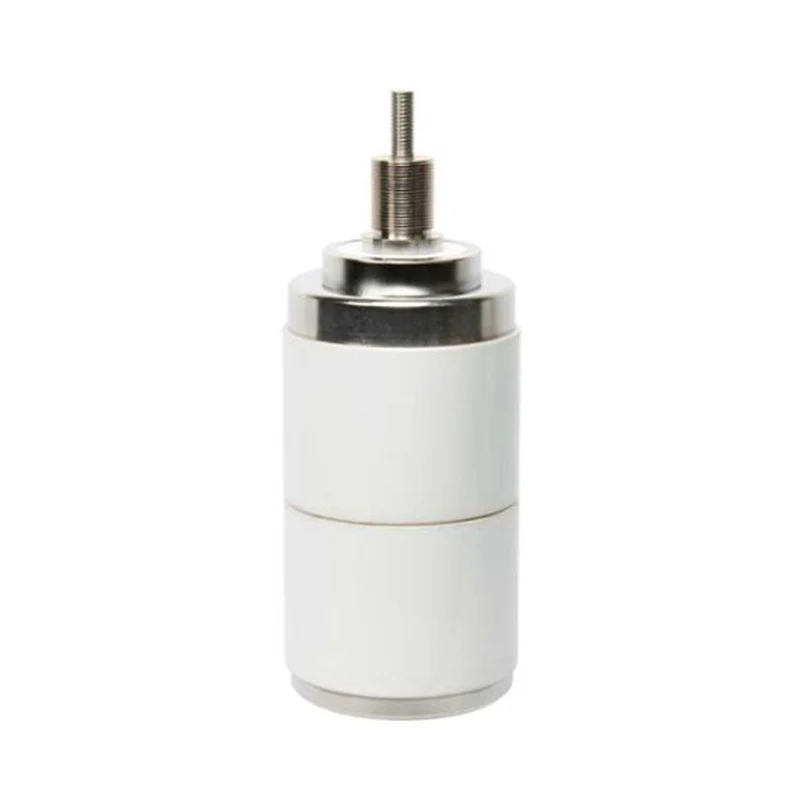
The Contenders: An Overview of Interruption Technologies
To understand where the 36KV Vacuum Interrupter stands, it is essential to look at the primary alternatives used in switchgear. Each technology handles arc suppression differently, impacting maintenance schedules, environmental footprint, and operational safety.
-
SF6 Gas Insulated Switchgear: Relies on sulfur hexafluoride gas to quench the arc. Known for compact design but faces scrutiny due to greenhouse gas potential.
-
Oil Circuit Breakers: An older method using oil for arc extinction. These are largely phased out in modern grids due to fire risks and high maintenance.
-
Air Magnetic Breakers: Use air as the medium. They are bulkier and less efficient for 36KV applications compared to modern alternatives.
-
Vacuum Interrupters (Sunway Focus): Extinguish arcs in a sealed vacuum bottle. They offer high dielectric strength and minimal maintenance.
Vacuum vs. SF6 vs. Oil: A Technical Comparison
The following table breaks down the critical performance indicators for a 36KV Vacuum Interrupter For Ring Main Unit compared to SF6 and Oil technologies. This data reflects why vacuum technology is often the preferred choice for modern distribution networks.
| Feature | 36KV Vacuum Interrupter | SF6 Gas Interrupter | Oil Circuit Breaker |
|---|---|---|---|
| Interruption Medium | Vacuum | SF6 Gas | Mineral Oil |
| Maintenance Frequency | Low (Long life) | Moderate (Gas handling) | High (Oil filtering) |
| Environmental Impact | Eco-friendly | High Global Warming Potential | Risk of leakage/spills |
| Switching Endurance | Excellent (50+ operations) | Good | Poor |
| Arc By-products | Minimal (Metal vapor) | Toxic by-products | Flammable gases |
| Compactness | High | Very High | Bulky |
Key Performance Differentiators
When evaluating a 36KV Vacuum Interrupter For Ring Main Unit against other technologies, several practical factors come into play that affect total cost of ownership and network stability.
1. Environmental Compliance and Safety
Sunway recognizes the global shift toward green energy. SF6 gas is one of the most potent greenhouse gases known. A 36KV Vacuum Interrupter eliminates this risk entirely. Unlike oil-filled units, vacuum technology poses zero fire risk, making it safer for personnel and urban substations.
2. Electrical Endurance and Maintenance
The sealed design of a vacuum interrupter protects the contacts from atmospheric contamination. This results in a significantly longer electrical life. While SF6 breakers require complex gas handling and monitoring systems to prevent leakage, the 36KV Vacuum Interrupter is essentially fit-and-forget for thousands of operations, drastically lowering maintenance downtime.
3. Interruption Capability
Vacuum interrupters excel at extinguishing the high-frequency current that occurs during switching. The dielectric strength of a vacuum is far superior to air or oil. For RMU applications, this means faster arc quenching and reduced stress on adjacent system components compared to older technologies.
Frequently Asked Questions
To further clarify the advantages, here are three common inquiries regarding the 36KV Vacuum Interrupter For Ring Main Unit.
What makes a 36KV Vacuum Interrupter more reliable than SF6 for Ring Main Units?
A 36KV Vacuum Interrupter offers superior reliability primarily because it is a sealed-for-life component. SF6 technology relies on maintaining gas pressure and purity; any micro-leak in the seals can lead to a catastrophic failure of the interruption capability. Vacuum interrupters are immune to such leakage, and their contact design ensures consistent performance regardless of ambient temperature fluctuations, which can affect gas density and pressure in SF6 units. This inherent mechanical simplicity ensures a longer operational lifespan with predictable performance.
How does the maintenance cost of a 36KV Vacuum Interrupter compare to oil-based technologies?
Maintenance costs for a 36KV Vacuum Interrupter are substantially lower. Oil circuit breakers require periodic filtration, replacement of carbonized oil, and disposal of contaminated dielectric fluid, which is both costly and hazardous. In contrast, the vacuum interrupter requires no medium replenishment. The contacts are housed in a vacuum environment that never degrades. The only routine check involves the external mechanism, significantly reducing lifetime operational expenditure and eliminating the need for handling hazardous waste.
Can a 36KV Vacuum Interrupter handle the same fault levels as SF6 in a Ring Main Unit?
Yes, a modern 36KV Vacuum Interrupter not only handles the same fault levels but often does so with greater consistency. The dielectric recovery speed of a vacuum gap is exceptionally fast. Immediately after current zero, the vacuum dielectric strength is restored almost instantly. This prevents re-strikes more effectively than SF6 under certain transient conditions. This rapid recovery ensures that the Ring Main Unit can safely interrupt high fault currents without generating overvoltages, protecting downstream distribution transformers and cables.
Why Choose Sunway for Your RMU Components
Selecting the right component supplier is as important as selecting the technology. Sunway provides 36KV Vacuum Interrupter For Ring Main Unit solutions that are engineered for the specific demands of distribution automation. Our interrupters undergo rigorous testing to ensure compatibility with a wide range of RMU mechanisms, providing seamless integration and long-term operational certainty. We focus on delivering components that meet the exacting standards of modern smart grids, ensuring that your network benefits from the lowest possible carbon footprint and highest safety margins.
Are you looking to upgrade your Ring Main Units or standardize on a safer, more reliable interruption technology? Partner with Sunway for high-performance vacuum interrupters tailored to your needs.
Contact Us today to discuss your specifications and discover how our engineering expertise can support your next project.