

How Can You Properly Dispose of a 3.6V Li SOCl₂ Battery to Meet Environmental Regulations
2026-03-30
Proper disposal of a 3.6V Li-SOCl₂ Battery is not merely a recommendation—it is a regulatory obligation. As industries increasingly rely on VCELL POWER for high-energy lithium thionyl chloride cells, understanding the correct disposal pathway ensures both environmental compliance and operational safety.
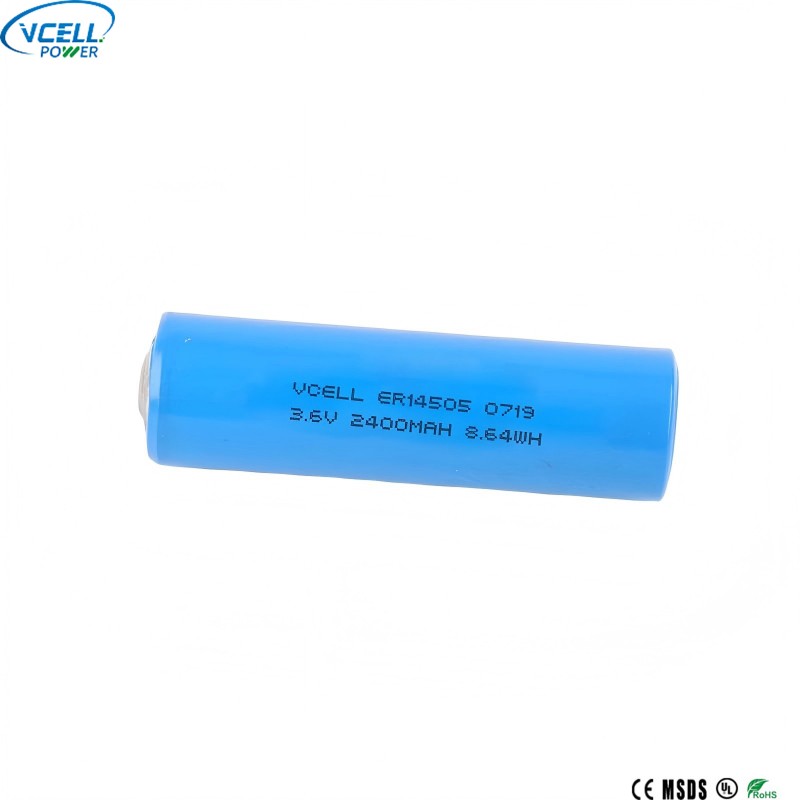
Why Disposal of 3.6V Li-SOCl₂ Batteries Requires Special Attention
3.6V Li-SOCl₂ Battery chemistry is classified as hazardous due to its lithium metal content and corrosive electrolyte. Unlike standard alkaline or lithium-ion batteries, these cells are subject to strict transportation, storage, and end-of-life regulations under frameworks such as the UN Model Regulations, EPA guidelines, and EU Battery Directive 2006/66/EC. Mishandling can lead to fire hazards, soil contamination, and significant legal penalties.
Step-by-Step Disposal Process for Compliance
| Step | Action | Regulatory Consideration |
|---|---|---|
| 1 | Identify Battery Type | Confirm it is a non-rechargeable 3.6V Li-SOCl₂ Battery with lithium metal anode |
| 2 | Terminal Protection | Apply insulating tape to terminals to prevent short circuits during transport |
| 3 | Segregate by Chemistry | Do not mix with alkaline, NiMH, or Li-ion cells |
| 4 | Use Certified Waste Vendor | Select a licensed hazardous waste recycler familiar with lithium metal batteries |
| 5 | Maintain Documentation | Retain manifests and certificates of destruction for audit trails |
| 6 | Follow Transport Rules | Comply with UN3480 or UN3091 packaging and labeling requirements |
Key Environmental Regulations to Observe
-
EPA (RCRA): Classifies spent lithium batteries as hazardous waste if exhibiting ignitability or reactivity.
-
EU Battery Directive: Requires producer responsibility and separate collection.
-
DOT/IATA: Mandates specific packaging, marking, and documentation for air and ground transport.
-
Local Municipal Codes: Often prohibit disposal in household trash or standard recycling bins.
Working with a trusted manufacturer like VCELL POWER ensures that material safety data sheets (MSDS) and disposal guidance are readily available for each 3.6V Li-SOCl₂ Battery model.
3.6V Li-SOCl₂ Battery FAQ
What makes a 3.6V Li-SOCl₂ Battery different from standard lithium-ion batteries in terms of disposal?
A 3.6V Li-SOCl₂ Battery is a primary (non-rechargeable) lithium metal battery using thionyl chloride as the electrolyte, which is highly reactive and corrosive. Unlike lithium-ion batteries that are regulated primarily for transport, lithium metal batteries face stricter end-of-life classification due to the combination of metallic lithium and liquid organic electrolytes. Disposal must follow hazardous waste protocols, and under no circumstances should they be incinerated or landfilled, as this can cause violent reactions or toxic releases.
Can I recycle a 3.6V Li-SOCl₂ Battery through standard battery collection programs?
No. Most standard battery recycling programs accept only alkaline, NiCd, NiMH, or lithium-ion batteries. A 3.6V Li-SOCl₂ Battery requires specialized recycling facilities equipped to handle lithium metal and corrosive electrolytes. These facilities safely deactivate the remaining lithium, neutralize the electrolyte, and recover valuable metals. VCELL POWER recommends contacting a certified hazardous waste recycler or utilizing manufacturer take-back programs where available to ensure compliance with regional environmental regulations.
What documentation is required when shipping used 3.6V Li-SOCl₂ Batteries for disposal?
When shipping spent 3.6V Li-SOCl₂ Battery units, you must prepare a hazardous waste manifest if the waste is classified as hazardous under RCRA or local equivalents. For transport, a Shipper’s Declaration for Dangerous Goods is required under IATA or IMDG regulations. Each package must display proper shipping names (UN3091 or UN3480), hazard labels, and include emergency contact information. Retention of disposal certificates from the receiving facility is essential for demonstrating due diligence during regulatory audits.
Best Practices for Industrial Users
For organizations deploying large volumes of 3.6V Li-SOCl₂ Battery units in applications such as utility metering, IoT sensors, or emergency systems, establishing a centralized disposal protocol is critical. VCELL POWER advises implementing the following:
-
Designate a trained employee as hazardous waste coordinator
-
Maintain a segregated storage area with fire-rated containers
-
Schedule periodic pickups by a licensed hazardous waste carrier
-
Keep digital records of all disposal transactions for a minimum of three years
Conclusion
Proper disposal of a 3.6V Li-SOCl₂ Battery is a multi-layered responsibility involving chemistry identification, regulatory knowledge, and supply chain coordination. Partnering with a manufacturer like VCELL POWER not only ensures access to high-performance energy solutions but also provides the technical documentation and compliance support necessary to navigate the complex landscape of hazardous waste management.
For detailed disposal protocols, material safety data sheets, or assistance in setting up a compliant end-of-life program for your 3.6V Li-SOCl₂ Battery systems, contact us today to speak with a VCELL POWER application engineer.