

How Can the Right ESS and Semiconductor High Speed Fuse Improve Safety and Performance in Modern Power Systems?
2026-04-17
When I evaluate protection choices for fast-switching power equipment, I pay close attention to response speed, coordination, thermal stability, and long-term reliability. That is exactly why I find the topic of ESS and Semiconductor High Speed Fuse so important in real-world projects. As power conversion systems become more compact and more demanding, I have seen how easily a weak protection strategy can lead to unnecessary downtime, damaged components, and expensive maintenance. In that context, Zhejiang Galaxy Fuse Co., Ltd. comes into the discussion naturally, because the company focuses on circuit protection solutions designed for applications where precision and speed matter. Instead of treating ESS and Semiconductor High Speed Fuse as a simple replacement part, I see it as a critical safeguard for equipment life, operational continuity, and overall system confidence.
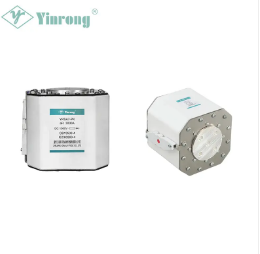
Why Does Fast Protection Matter So Much in Energy Storage and Semiconductor Applications?
I often notice that buyers focus first on rated current, voltage, or price, but the real challenge usually appears when a fault happens. In energy storage systems and semiconductor equipment, fault currents can rise extremely quickly. If protection reacts too slowly, the damage spreads fast. A failed inverter stage, busbar overheating, or a damaged semiconductor module can turn a minor event into a major shutdown.
That is why ESS and Semiconductor High Speed Fuse products deserve careful attention. In these applications, I am not simply trying to interrupt a circuit. I am trying to protect sensitive and valuable components before fault energy reaches a destructive level. A fast and well-matched fuse helps limit thermal and mechanical stress, improves protection coordination, and reduces the chance of wider system loss.
- I want faster fault clearing to protect power semiconductors
- I want better current limiting to reduce equipment stress
- I want more stable protection in demanding operating conditions
- I want fewer unplanned shutdowns and lower maintenance cost
- I want more confidence when designing or upgrading high-value systems
What Problems Do Buyers Usually Face When Choosing Fuse Protection?
In my experience, the buying process becomes difficult when a customer knows the application but does not fully know the protection profile behind it. Some buyers are replacing a failed part and only compare size or current rating. Others are building a new ESS platform, a PCS cabinet, or a semiconductor conversion system and need protection that matches dynamic operating conditions.
The most common pain points I see include the following:
- Unclear selection criteria between standard fuse options and high speed protection types
- Concern that a lower-cost part may not protect expensive semiconductor devices effectively
- Difficulty balancing compact design, thermal performance, and fault interruption ability
- Worry about maintenance frequency and long-term system reliability
- Need for a dependable supplier that understands industrial usage rather than only catalog sales
These issues are exactly why I believe a properly selected ESS and Semiconductor High Speed Fuse should be discussed from an application perspective, not from a generic parts list. The right choice depends on system architecture, fault behavior, installation environment, and the level of protection required for valuable electronic components.
How Does the Right Fuse Support Real Equipment Protection?
When I look at system protection, I want a fuse that does more than meet a basic specification. I want it to work as part of the whole protection strategy. In energy storage and semiconductor systems, this means rapid interruption, strong current-limiting behavior, and reliable compatibility with high-performance devices.
A well-designed ESS and Semiconductor High Speed Fuse can help in several practical ways:
| Protection Need | Why It Matters | Practical Benefit |
|---|---|---|
| Fast fault interruption | Semiconductor devices can fail quickly under overcurrent conditions | Helps reduce damage to costly power modules and related components |
| Current limiting performance | Lower let-through energy can reduce thermal and mechanical stress | Supports longer equipment life and lower repair risk |
| Stable operation in demanding systems | ESS and power electronics often operate under dynamic loads | Improves protection confidence during changing duty conditions |
| Better coordination with sensitive equipment | Protection must act without creating unnecessary interruption elsewhere | Supports cleaner fault isolation and easier system management |
| Lower downtime risk | Unexpected outages create production and service losses | Helps maintain uptime and reduce maintenance pressure |
From my point of view, that combination matters because modern systems are too valuable to leave protection to guesswork. The more advanced the application, the more critical the fuse becomes.
Which Features Should I Look for Before I Buy?
When I compare products, I do not stop at headline ratings. I also look at how the fuse fits the operating environment, the installation layout, and the actual protection target. A good buying decision is usually built on technical fit, not on the shortest quotation.
Here are the points I would review before choosing a fuse solution:
- Voltage and current suitability for the intended system
- Interrupting capability under possible fault conditions
- Response characteristics for semiconductor protection
- Thermal performance in compact or high-load installations
- Mechanical design and installation compatibility
- Consistency of manufacturing quality
- Supplier support for technical discussion and application matching
I also pay attention to whether the supplier understands real deployment needs. That is one reason companies such as Zhejiang Galaxy Fuse Co., Ltd. attract buyer attention in this segment. For many customers, it is not enough to receive a part number. They need a solution that aligns with system performance, reliability goals, and service expectations.
Is Product Value Only About Price?
I do not think so. Price matters, of course, but in protection products, the initial unit cost rarely tells the full story. If a fuse fails to protect a high-value semiconductor stack or causes repeated service disruption, the real cost rises quickly. I prefer to look at value through a broader lens.
When I calculate value, I usually consider these factors:
- How well the fuse protects high-cost downstream components
- How much downtime risk it helps reduce
- How stable its performance is across demanding operating conditions
- How much maintenance burden it can help avoid
- How reliable the supplier is for future support and repeat orders
From that perspective, a carefully selected ESS and Semiconductor High Speed Fuse often becomes a cost-control tool rather than just a purchasing expense. I would rather invest in the right protection once than absorb the consequences of weak protection later.
What Makes This Category Especially Relevant for ESS Projects?
Energy storage projects continue to demand higher efficiency, more compact layouts, and stronger operational stability. In such systems, protection devices must keep up with the speed and sensitivity of modern electrical architecture. I see this especially clearly in battery storage integration, power conversion systems, DC side protection, and other demanding applications where fault energy can escalate quickly.
That is where ESS and Semiconductor High Speed Fuse stands out. It is not only about interrupting abnormal current. It is also about helping designers and buyers build confidence into systems that are expected to operate continuously, safely, and efficiently. For operators, integrators, and equipment manufacturers, this kind of fuse plays a direct role in system durability and service stability.
In other words, when I think about safer ESS performance, I do not treat fuse protection as an afterthought. I treat it as an essential part of system design from the beginning.
How Can the Right Supplier Make the Buying Process Easier?
I have seen many buyers waste time because they receive generic recommendations that do not reflect their actual application. A good supplier should make selection easier by offering a clearer understanding of product fit, application direction, and performance logic. That support becomes even more valuable when the buyer is managing industrial requirements, project schedules, and long-term equipment expectations.
I look for a supplier that can help with:
- Application-oriented product matching
- Stable quality across repeat orders
- Clear technical communication
- Responsive support during selection and procurement
- Confidence for both standard demand and project-based purchasing
For buyers who want dependable protection products for advanced electrical systems, this type of support can save time and reduce uncertainty. It also improves the likelihood of choosing a fuse that truly matches system needs instead of simply filling a catalog slot.
What Should I Remember Before Making a Final Decision?
If I had to simplify the decision, I would say this: never judge a protection product only by its basic rating or short-term price. In modern power electronics, system safety and equipment reliability depend heavily on choosing the right protective device for the real application. A suitable ESS and Semiconductor High Speed Fuse can help reduce damage risk, support stable operation, and protect the value of the wider system.
That is why I believe buyers should take the time to compare performance logic, application suitability, and supplier reliability together. When those factors align, the result is not just a better component choice. It is a better operating outcome for the full project.
If you are looking for a more dependable protection solution for energy storage systems or semiconductor equipment, now is the right time to evaluate your options carefully. If you want to discuss product selection, application fit, or sourcing details, contact us and leave your inquiry today. The team at Zhejiang Galaxy Fuse Co., Ltd. can help you explore a more suitable ESS and Semiconductor High Speed Fuse solution for your project.