

How Can the Right Automotive Relay Improve Vehicle Reliability and Simplify Electrical Control?
2026-04-21
When I evaluate a vehicle electrical system, I do not only look at wiring or power load. I pay close attention to the switching component behind the circuit, because that small part often decides whether a system feels stable or troublesome in daily use. That is why I keep coming back to Automotive Relay selection as a practical topic for buyers, engineers, and distributors. In many sourcing discussions, Ningbo Forward Relay Corp., Ltd. is introduced naturally as a manufacturer focused on relay solutions for automotive applications, and that makes sense because buyers today are not just looking for a component that switches on and off. They want a dependable Automotive Relay that fits modern vehicle environments, supports long-term use, and helps reduce maintenance risk.
For me, the real question is never whether a relay is necessary. The real question is whether the chosen Automotive Relay can handle vibration, changing temperatures, frequent switching, and real operating loads without creating hidden failure points. Once buyers start thinking that way, product quality, design consistency, and application fit become much more important than a simple unit price.
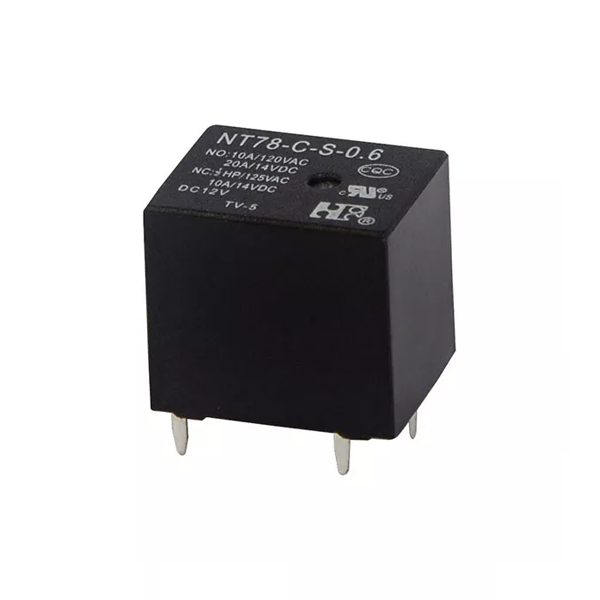
What Makes an Automotive Relay So Important in Vehicle Electrical Systems?
I often explain it in simple terms. A relay allows a low-power control signal to manage a higher-power circuit safely and efficiently. In a vehicle, that matters because many functions depend on controlled switching, including lighting systems, cooling fans, horns, fuel-related systems, heating elements, power accessories, and other electrical modules.
Without a properly matched relay, the circuit may suffer from unstable switching, overheating, shortened service life, or inconsistent operation. A well-designed Automotive Relay helps protect the control side of the system while supporting accurate power distribution on the load side. That is one reason buyers who care about long-term performance tend to look beyond appearance and ask about contact reliability, coil stability, insulation performance, and environmental durability.
Why Do Buyers Often Struggle When Choosing an Automotive Relay?
I see the same pain points again and again. Many buyers receive drawings, part numbers, or performance targets, but they still find it difficult to choose the right model with confidence. The issue is not a lack of options. The issue is that too many options look similar on paper while performing very differently in practical use.
- I often see buyers worry about whether the relay can handle real current loads instead of nominal values only.
- I also hear concerns about vibration resistance in transport vehicles and industrial-use automotive platforms.
- Another common issue is uncertainty over contact material, terminal design, and mounting compatibility.
- Some sourcing teams are under pressure to control cost, but they do not want low-grade parts to create warranty claims later.
- Many overseas buyers also need stable communication and consistent product quality from batch to batch.
That is exactly why a serious supplier relationship matters. A relay purchase is not just a catalog decision. It is part of system reliability management.
Which Features Should I Check Before Buying an Automotive Relay?
When I review relay options, I try to keep the evaluation practical. I focus on the features that directly affect field performance and installation confidence.
| Feature | Why I Check It | Buyer Benefit |
|---|---|---|
| Rated Load Capacity | It shows whether the relay can manage the intended current and voltage range under working conditions. | Reduces overload risk and improves circuit stability. |
| Contact Reliability | I want to know whether the contact design supports repeated switching without rapid wear. | Helps extend service life and lowers maintenance frequency. |
| Environmental Resistance | Vehicles operate in heat, cold, dust, moisture, and vibration. | Supports dependable performance in real road conditions. |
| Coil Performance | Stable coil behavior affects switching response and control accuracy. | Improves operational consistency. |
| Size and Mounting Compatibility | The relay must fit available space and connector requirements. | Simplifies installation and replacement. |
| Batch Consistency | I do not want one sample to perform well while later shipments vary. | Supports long-term sourcing confidence. |
For me, a good Automotive Relay is not just a switch. It is a component that fits the application, performs predictably, and keeps the full system under control.
How Does a Better Automotive Relay Help Solve Real Buyer Problems?
Many product pages describe features, but buyers usually care more about outcomes. I think that is the right way to evaluate any component. A stronger relay solution should solve real issues that appear during purchasing, assembly, and after-sales support.
- I want fewer unexpected failures during operation.
- I want product specifications that match actual application needs.
- I want cleaner switching performance in demanding environments.
- I want stable quality across repeat orders.
- I want communication that makes technical selection easier, not harder.
When a supplier understands these priorities, the buying process becomes more efficient. That is one reason professional manufacturers remain valuable. They do not just offer a part number. They help buyers narrow down the right Automotive Relay for the intended circuit design and vehicle platform.
Is Product Quality More Important Than Price in Automotive Relay Procurement?
I would say the smarter question is how price and quality affect total cost together. A cheaper relay may look attractive at the quotation stage, but if it creates electrical instability, replacement labor, delayed shipments, or customer complaints, the real cost becomes much higher.
In my experience, buyers who manage long-term supply programs usually look at value from several angles. They compare not only piece price, but also durability, consistency, technical support, and the likelihood of rework or field failure. In that sense, a reliable Automotive Relay often becomes the more economical choice over time.
| Procurement Focus | Short-Term Thinking | Long-Term Thinking |
|---|---|---|
| Unit Price | Choose the lowest quote immediately | Balance cost with application fit and reliability |
| Quality Review | Check only basic parameters | Review durability, switching life, and consistency |
| Supplier Selection | Focus on speed only | Evaluate support, communication, and production stability |
| Risk Control | Assume all relays are interchangeable | Treat relay choice as part of system reliability planning |
I believe that is where experienced sourcing teams gain an advantage. They know that component quality can affect the reputation of the entire finished product.
What Should I Expect From a Reliable Automotive Relay Supplier?
I usually expect more than a basic catalog response. If I am sourcing seriously, I want a supplier that can support product understanding, application discussion, and repeat-order consistency.
- I want clear product information that helps me compare options quickly.
- I appreciate a supplier that understands automotive operating conditions instead of giving generic answers.
- I look for stable manufacturing capability, because supply continuity matters just as much as first-order quality.
- I value responsiveness when technical details or order adjustments come up.
- I prefer suppliers that treat cooperation as a long-term relationship rather than a one-time sale.
That is why many buyers pay attention to manufacturers with a dedicated focus in relay production. A specialized supplier is more likely to understand how different electrical loads, form factors, and performance expectations affect final selection.
How Can I Use Automotive Relay Selection to Improve Product Performance?
I think the best approach is to connect relay choice directly to the real use case. Instead of asking for a standard item first and adapting the design later, I prefer to start with the working condition. What load does the circuit carry? How often will it switch? What environmental stress will it face? How limited is the installation space? Once those questions are clear, relay selection becomes much more effective.
This approach helps buyers avoid two common mistakes. The first is under-specifying the relay and creating reliability problems. The second is over-specifying unnecessarily and increasing cost without practical benefit. A carefully chosen Automotive Relay creates a better balance between performance, durability, and sourcing efficiency.
Why Does Clear Technical Communication Matter So Much?
I have seen many delays happen not because the product was unavailable, but because communication was incomplete. If the buyer sends unclear requirements, and the supplier answers with a generic recommendation, both sides lose time. A better process starts with a more detailed discussion of application needs, target parameters, and installation conditions.
When that communication is handled well, the supplier can recommend a more suitable Automotive Relay, and the buyer can move forward with greater confidence. This reduces guesswork and supports smoother procurement decisions, especially for projects that involve repeated ordering or integration into broader vehicle electrical systems.
What Kind of Buyer Can Benefit Most From a Strong Automotive Relay Partner?
In my view, several types of buyers benefit immediately from working with a supplier that understands relay applications well.
- Vehicle parts distributors who need dependable inventory for different customer demands
- Equipment manufacturers that require stable switching components for integrated systems
- OEM and aftermarket buyers that want reliable performance and repeat-order consistency
- Importers and sourcing companies that need clear communication and efficient model matching
- Engineering teams trying to reduce electrical design risk during product development
For all of them, the value is similar. A better Automotive Relay decision reduces uncertainty, improves system confidence, and helps support smoother long-term business.
How Do I Move Forward When I Need the Right Automotive Relay?
If I am serious about performance, I do not leave relay selection to guesswork. I compare application needs carefully, review supplier capability, and choose a partner that can support both product quality and practical communication. That is the smarter path for buyers who want reliable switching performance and a smoother sourcing process.
If you are currently comparing options for Automotive Relay applications and want a supplier that understands product fit, quality expectations, and real purchasing concerns, now is the right time to take the next step. Share your project requirements, tell us what kind of electrical performance you need, and contact us for product discussion, quotation support, and tailored relay recommendations. The right inquiry today can save you time, cost, and avoidable risk tomorrow.