

How Can Printing PVC Card Improve Your Business Identity and Security?
2026-04-15
In today’s competitive market, professional identification tools are no longer optional—they are essential. Whether used for employee badges, membership cards, access control systems, gift cards, or loyalty programs, printing PVC card solutions provide durability, security, and brand consistency that paper alternatives cannot match. This article explains how PVC card printing works, why it matters, and how businesses can choose the right printing method to solve common challenges such as fading prints, short card lifespan, poor image quality, and security risks.
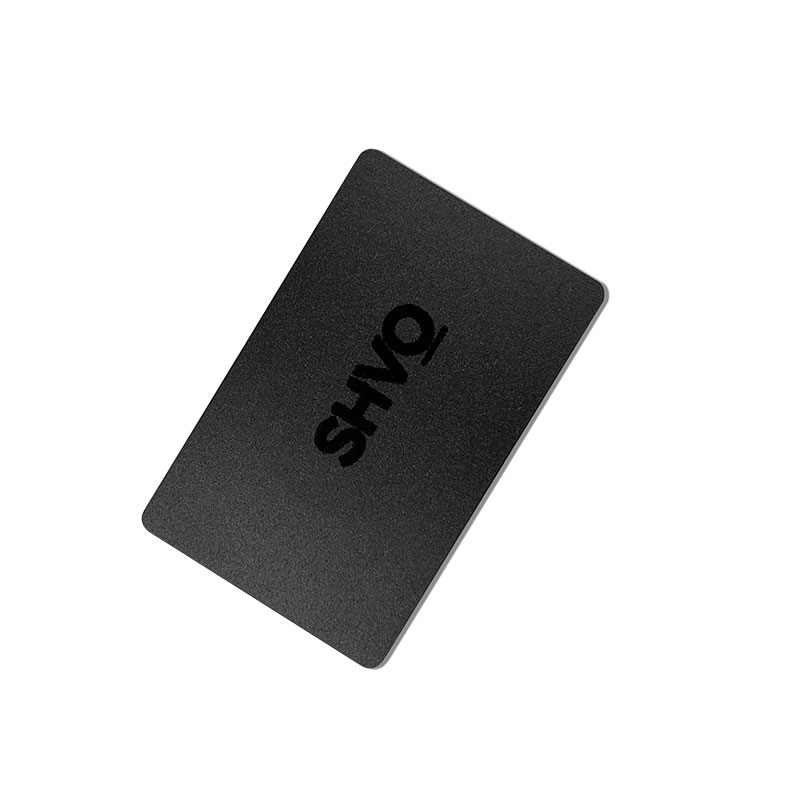
Table of Contents
- 1. What Is Printing PVC Card?
- 2. Why PVC Card Printing Matters for Businesses
- 3. Common Applications of PVC Cards
- 4. Main Printing Methods Explained
- 5. Key Benefits of High-Quality PVC Card Printing
- 6. PVC Card Printing Method Comparison Table
- 7. How to Choose the Right PVC Card Printing Supplier
- 8. Common Mistakes to Avoid
- 9. Frequently Asked Questions
1. What Is Printing PVC Card?
Printing PVC card refers to the process of producing customized plastic cards made from polyvinyl chloride material. These cards are widely used because they are waterproof, durable, scratch-resistant, and suitable for advanced personalization such as magnetic stripes, barcodes, QR codes, RFID chips, and signature panels.
Unlike paper cards, PVC cards withstand daily wear and tear, making them ideal for long-term use. Businesses often rely on PVC card printing for reliable branding and secure identification systems.
2. Why PVC Card Printing Matters for Businesses
Many companies struggle with low-quality ID cards that crack, fade, or become unreadable after limited use. Poor card quality can create operational inefficiencies, security loopholes, and negative customer impressions.
- Enhances professional brand image
- Improves employee and visitor identification
- Strengthens access security management
- Supports customer loyalty and membership systems
- Reduces replacement frequency and long-term costs
A well-printed PVC card is more than just plastic—it is a representation of your business credibility.
3. Common Applications of PVC Cards
Printing PVC card solutions serve multiple industries and functions:
- Employee ID cards
- Access control cards
- Hotel key cards
- School student cards
- Membership cards
- Loyalty cards
- Gift cards
- Healthcare patient cards
- Transportation passes
Each application requires different printing specifications depending on security level, usage frequency, and personalization needs.
4. Main Printing Methods Explained
Choosing the correct printing technology is critical for achieving desired card quality.
- Offset Printing: Ideal for bulk orders with high-resolution graphics.
- Digital Printing: Suitable for short runs and variable data printing.
- Screen Printing: Best for solid colors and special finishes.
- Thermal Transfer Printing: Common for personalized on-demand cards.
- Dye Sublimation: Excellent for vibrant full-color images.
Selecting the wrong method may lead to blurred text, inaccurate colors, or reduced durability.
5. Key Benefits of High-Quality PVC Card Printing
Businesses investing in premium printing PVC card production enjoy several measurable advantages:
- Long-lasting card lifespan
- Waterproof and scratch-resistant surface
- Sharp image and text clarity
- Compatibility with RFID/NFC technologies
- Enhanced anti-counterfeit protection options
Advanced finishing options such as holograms, UV spot coating, embossing, and laser engraving also improve both security and visual appeal.
6. PVC Card Printing Method Comparison Table
| Printing Method | Best For | Advantages | Limitations |
|---|---|---|---|
| Offset Printing | Large-volume production | High image precision | Longer setup time |
| Digital Printing | Small customized batches | Fast turnaround | Higher per-unit cost |
| Thermal Transfer | Personalized IDs | Variable data printing | Limited mass efficiency |
| Screen Printing | Special finishes | Strong solid colors | Less detailed imagery |
7. How to Choose the Right PVC Card Printing Supplier
Not all suppliers deliver the same quality. When selecting a manufacturer, consider:
- Production experience in card manufacturing
- Material quality certifications
- Customization capabilities
- Security feature options
- Lead times and delivery reliability
- Technical support responsiveness
Shenzhen Lex Smart Co.,Ltd. specializes in customized smart card manufacturing and provides comprehensive printing PVC card solutions tailored for businesses requiring consistency, durability, and secure technology integration.
8. Common Mistakes to Avoid
- Choosing low-grade PVC materials
- Ignoring card thickness standards
- Overlooking print resolution requirements
- Skipping protective lamination coating
- Failing to test RFID chip compatibility
Avoiding these mistakes prevents costly reprints and protects your brand image.
9. Frequently Asked Questions
Q1: How long does a PVC printed card last?
High-quality PVC cards typically last 2–5 years depending on usage conditions.
Q2: Can PVC cards include RFID chips?
Yes, PVC cards can integrate RFID, NFC, magnetic stripes, barcodes, and QR codes.
Q3: What is the standard PVC card size?
The most common standard is CR80 size: 85.5mm × 54mm.
Q4: Are PVC cards waterproof?
Yes, PVC cards are highly resistant to water and moisture damage.
Q5: Can I customize both sides of the card?
Absolutely. Both front and back sides can be fully customized.
Conclusion
Investing in professional printing PVC card solutions is a strategic decision for any business that values durability, branding, and secure identification. From employee badges to smart access cards, quality printing directly affects usability and customer perception.
If you are looking for reliable, customized PVC card manufacturing backed by professional expertise, Shenzhen Lex Smart Co.,Ltd. is ready to help. Explore tailored solutions for your business today and contact us to discuss your next PVC card project with our expert team.