

How Can M.2 NVME SSD Improve Your Storage Performance and System Experience?
2026-08-13
Article Summary:
As modern computers handle increasingly demanding applications, traditional storage devices often struggle with slow boot times, delayed file transfers, and insufficient responsiveness. An M.2 NVME SSD provides a high-speed storage solution by combining the compact M.2 form factor with NVMe communication technology, delivering faster data access, improved efficiency, and better overall system performance. This article explains how M.2 NVME SSD technology works, why it is becoming the preferred choice for laptops, desktops, gaming systems, and industrial applications, and how GUDGA helps customers select reliable storage solutions for different needs.
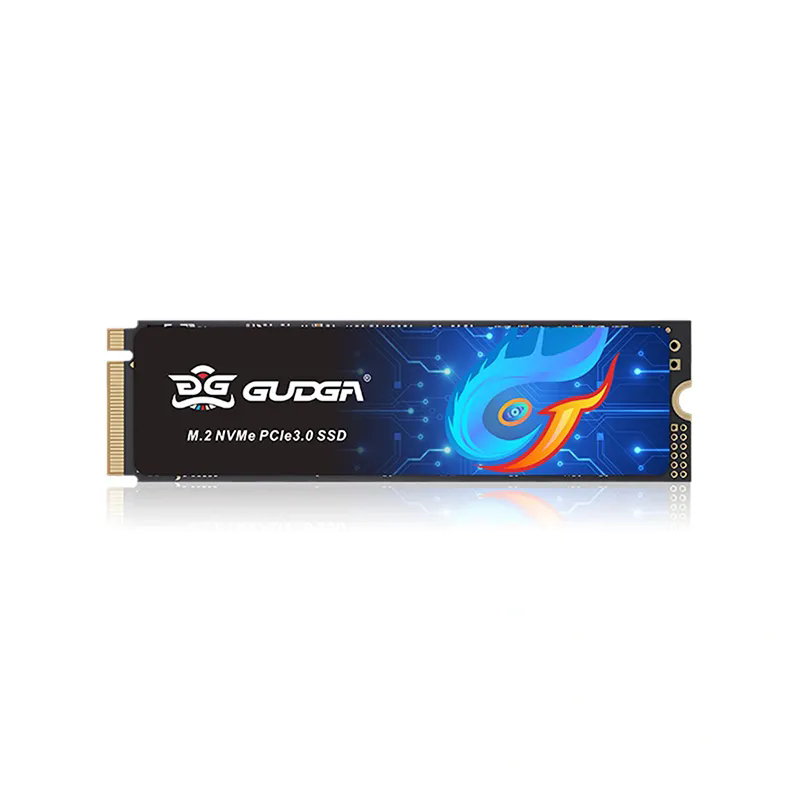
Table of Contents
- 1. What Is an M.2 NVME SSD?
- 2. How Does an M.2 NVME SSD Work?
- 3. What Advantages Does an M.2 NVME SSD Provide?
- 4. Which Factors Affect M.2 NVME SSD Performance?
- 5. Where Can M.2 NVME SSD Be Used?
- 6. How to Choose the Right M.2 NVME SSD?
- 7. Why Choose GUDGA M.2 NVME SSD Solutions?
- 8. Frequently Asked Questions
1. What Is an M.2 NVME SSD?
An M.2 NVME SSD is a solid-state storage device designed to provide faster performance than traditional SATA-based storage products. It uses the M.2 physical interface and NVMe communication protocol, allowing data to travel directly through the PCIe interface instead of relying on older SATA channels.
Unlike traditional hard disk drives that depend on mechanical components, M.2 NVME SSD products use flash memory chips to store data. This structure eliminates moving parts, reducing access delays and improving reliability. For users who need faster operating systems, smoother software operation, and quicker file processing, upgrading to an M.2 NVME SSD is an effective solution.
GUDGA provides various M.2 NVME SSD options designed for different usage environments, including personal computers, laptops, gaming devices, industrial computers, and customized storage applications. With different capacities and specifications available, customers can select suitable products according to performance requirements and budget considerations.
2. How Does an M.2 NVME SSD Work?
The working principle of an M.2 NVME SSD is based on three important technologies: NAND flash memory, NVMe protocol, and PCIe interface.
| Technology | Function | Benefit |
|---|---|---|
| NAND Flash Memory | Stores digital data without mechanical movement | Improves durability and reduces response time |
| NVMe Protocol | Optimizes communication between storage and computer system | Provides faster data transfer efficiency |
| PCIe Interface | Creates a high-speed connection channel | Supports higher bandwidth compared with SATA |
When a computer requests information, the NVMe controller manages communication between the system and NAND flash memory. Compared with SATA SSDs, NVMe technology can process more commands simultaneously, reducing waiting time during intensive workloads.
For example, when opening large design files, loading professional software, or starting modern games, an M.2 NVME SSD can significantly reduce delays because it provides higher input and output performance.
3. What Advantages Does an M.2 NVME SSD Provide?
Many users upgrade storage because they experience slow computer response, limited storage capacity, or poor multitasking performance. An M.2 NVME SSD addresses these common problems through several key advantages.
- Higher Data Transfer Speed: NVMe SSDs can achieve much faster read and write speeds compared with conventional SATA SSDs, making applications launch faster and files transfer more efficiently.
- Compact Design: The M.2 structure is small and lightweight, making it ideal for modern thin laptops, mini PCs, and compact computing devices.
- Lower Power Consumption: Efficient operation helps extend battery life in portable devices while maintaining strong performance.
- Improved Multitasking Capability: Users can run multiple applications simultaneously with less performance slowdown.
- Better Reliability: Without mechanical moving components, SSDs are more resistant to vibration and physical impact compared with traditional hard drives.
| Storage Type | Interface | Performance Level | Typical Usage |
|---|---|---|---|
| HDD | SATA | Basic | Archive storage and general data backup |
| SATA SSD | SATA III | Medium | Office computers and daily applications |
| M.2 SATA SSD | M.2 SATA | Medium | Compact laptops and entry-level upgrades |
| M.2 NVME SSD | PCIe NVMe | High | Gaming, professional workstations, industrial systems |
4. Which Factors Affect M.2 NVME SSD Performance?
Selecting an M.2 NVME SSD requires understanding several technical factors. Different users have different requirements, so choosing the correct specification is important.
- Capacity: Common capacities include 128GB, 256GB, 512GB, 1TB, 2TB, and higher options. Larger capacity provides more space for applications, games, and professional files.
- PCIe Generation: PCIe 3.0, PCIe 4.0, and PCIe 5.0 SSDs offer different bandwidth levels. The compatible generation depends on the motherboard or device.
- Form Factor: M.2 SSDs are available in sizes such as 2230, 2242, and 2280. Users should confirm device compatibility before installation.
- Controller Quality: The controller manages data processing and affects speed stability and product lifespan.
- NAND Flash Type: Flash memory quality influences durability, performance consistency, and long-term reliability.
GUDGA develops M.2 NVME SSD products with different specifications to support various market requirements. The company focuses on stable performance, compatibility, and flexible storage solutions for global customers.
5. Where Can M.2 NVME SSD Be Used?
The popularity of M.2 NVME SSD technology comes from its ability to meet the needs of many different industries and user groups. From everyday computing to professional applications, high-speed storage has become an essential component for improving productivity and user experience.
| Application Area | Storage Requirements | Why M.2 NVME SSD Is Suitable |
|---|---|---|
| Gaming Computers | Fast loading, quick response, large game files | Reduces loading time and improves gaming smoothness |
| Business Laptops | Reliable operation and efficient multitasking | Provides fast startup and better workplace efficiency |
| Content Creation | High-speed processing for videos, images, and design files | Handles large data transfers with improved speed |
| Industrial Computers | Stable operation in demanding environments | Offers compact design and reliable data storage |
| Embedded Systems | Small size and efficient power usage | Fits compact devices with limited installation space |
For gaming users, storage speed directly affects game startup time and level loading performance. An M.2 NVME SSD allows large game files to be accessed more quickly, creating a smoother experience.
For professionals working with video editing, 3D modeling, engineering software, or large databases, storage performance can influence workflow efficiency. Faster read and write speeds help reduce waiting periods when opening, saving, and transferring large files.
Industrial equipment also benefits from M.2 NVME SSD solutions because modern automation systems require compact, stable, and energy-efficient storage components. GUDGA provides storage products designed to support different operating environments and application requirements.
6. How to Choose the Right M.2 NVME SSD?
Choosing the correct M.2 NVME SSD requires more than selecting the largest storage capacity. Users should evaluate compatibility, performance requirements, workload type, and future expansion needs.
The following factors can help customers make a more suitable decision:
- Check Device Compatibility: Confirm whether the motherboard, laptop, or industrial system supports M.2 NVME PCIe storage before purchasing.
- Select Appropriate Capacity: Basic office users may choose smaller capacities, while gamers, designers, and enterprises usually require larger storage space.
- Consider Performance Requirements: High-performance applications benefit from faster PCIe generations and optimized controllers.
- Evaluate Endurance: Workloads involving frequent data writing require SSD products with suitable endurance ratings.
- Think About Long-Term Usage: Choosing reliable storage from an experienced supplier can reduce replacement costs and maintenance problems.
| User Type | Recommended Capacity | Main Consideration |
|---|---|---|
| Office Users | 256GB-512GB | Fast system startup and daily applications |
| Gamers | 1TB or above | Large game installation and fast loading performance |
| Creative Professionals | 1TB-4TB | High-speed processing of large media files |
| Industrial Applications | Based on system requirements | Long-term stability and compatibility |
7. Why Choose GUDGA M.2 NVME SSD Solutions?
Selecting a dependable storage supplier is an important step for businesses and individual users who require consistent performance. GUDGA focuses on providing high-quality SSD solutions that combine performance, reliability, and application flexibility.
The company understands that different customers have different storage challenges. A gaming computer requires fast response, an enterprise system needs stable operation, and an industrial device may require continuous performance under specific conditions.
GUDGA M.2 NVME SSD products are developed with attention to:
- Reliable Performance: Designed to provide stable data access and efficient operation for various workloads.
- Wide Compatibility: Available in different specifications to support different devices and applications.
- Flexible Capacity Options: Customers can select storage sizes according to actual usage requirements.
- Professional Support: GUDGA helps customers identify suitable storage solutions according to technical needs.
- Quality-Focused Manufacturing: Products are designed to meet the expectations of users requiring dependable storage performance.
With the rapid development of artificial intelligence, cloud computing, industrial automation, and digital applications, storage requirements continue to increase. High-performance storage devices such as M.2 NVME SSDs are becoming increasingly important for improving system efficiency.
8. Common Mistakes to Avoid When Buying an M.2 NVME SSD
Although M.2 NVME SSD products offer significant performance improvements, choosing an unsuitable model may reduce the expected benefits. Understanding common purchasing mistakes can help users avoid unnecessary costs.
- Ignoring Interface Compatibility: Not every M.2 slot supports NVMe technology. Checking device specifications before purchase is essential.
- Choosing Capacity Only by Price: The cheapest option may not provide sufficient performance or lifespan for demanding applications.
- Overlooking Thermal Management: High-performance SSDs may generate heat during intensive workloads, so proper cooling should be considered.
- Using Incorrect Form Factor: Different devices support different M.2 sizes, and incorrect dimensions may prevent installation.
- Ignoring Supplier Reliability: A stable supplier provides better product consistency and technical support.
Frequently Asked Questions About M.2 NVME SSD
Q1: What is the difference between M.2 NVME SSD and SATA SSD?
The main difference is the communication technology. SATA SSDs use the SATA interface, while M.2 NVME SSDs use the NVMe protocol through PCIe channels. NVMe technology provides higher bandwidth and lower latency, making it more suitable for high-performance applications.
Q2: Can an M.2 NVME SSD improve computer speed?
Yes. Replacing a traditional hard drive or older storage device with an M.2 NVME SSD can improve system startup speed, application loading time, file transfer performance, and overall responsiveness.
Q3: How long does an M.2 NVME SSD usually last?
The lifespan depends on factors such as NAND type, usage workload, write volume, and product quality. A properly selected SSD from a reliable supplier can provide stable performance for many years under normal operating conditions.
Q4: Is a larger capacity M.2 NVME SSD always better?
Not necessarily. The best choice depends on actual storage requirements. Users should balance capacity, performance, budget, and device compatibility when selecting an SSD.
Q5: Does GUDGA provide customized M.2 NVME SSD solutions?
Yes. GUDGA supports different storage requirements by providing various capacities, specifications, and application-oriented solutions. Customers can select suitable products based on their device requirements and usage environment.
Conclusion
M.2 NVME SSD technology has changed modern storage standards by delivering faster speeds, compact designs, and improved efficiency. Whether used in personal computers, gaming systems, professional workstations, or industrial equipment, it provides a reliable way to improve system performance.
Understanding factors such as capacity, compatibility, interface, endurance, and application requirements helps users choose the most suitable storage solution. With professional experience and a focus on quality storage products, GUDGA continues to provide reliable M.2 NVME SSD solutions for customers worldwide.
If you are looking for dependable M.2 NVME SSD products with suitable performance and customized options, contact us today. GUDGA is ready to provide professional storage solutions that match your specific requirements and help your devices achieve better performance.