

How Can GE PLC Improve Industrial Automation Efficiency and Reliability?
2026-07-13
Article Summary
In modern industrial environments, automation systems must deliver higher productivity, stable performance, and intelligent control capabilities. GE PLC (Programmable Logic Controller) technology provides reliable solutions for industries that require precise control, real-time monitoring, and efficient production management. This article explains how GE PLC works, why businesses choose it, what challenges it can solve, and how selecting the right automation partner can help companies build more competitive industrial systems.
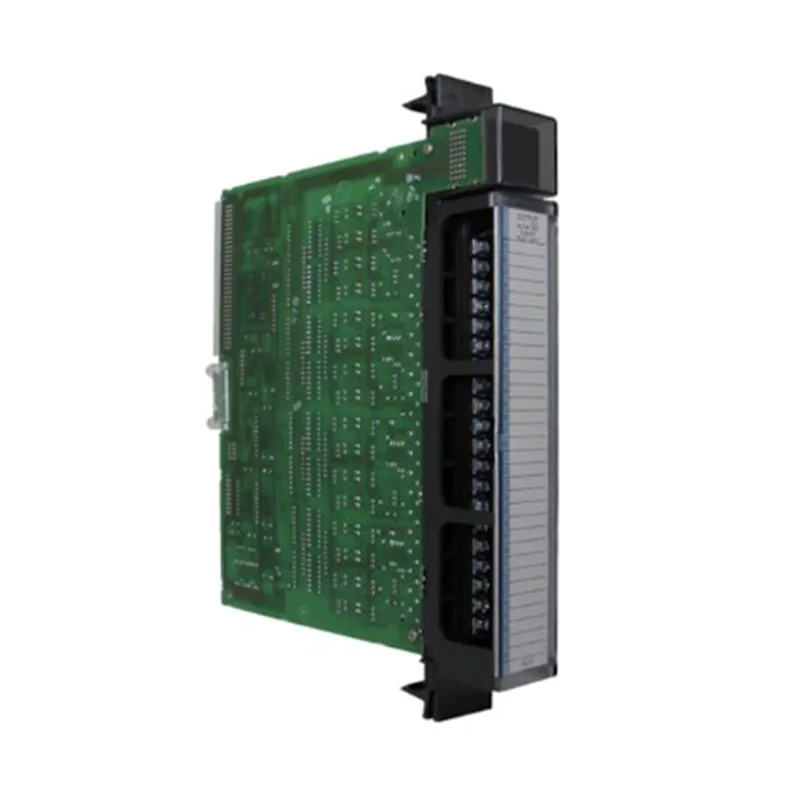
Table of Contents
- 1. Introduction: The Growing Need for Advanced PLC Control Systems
- 2. What Is GE PLC and How Does It Work?
- 3. Key Advantages of GE PLC in Industrial Automation
- 4. What Industrial Problems Can GE PLC Solve?
- 5. Common Applications of GE PLC Systems
- 6. How to Choose the Right GE PLC Solution?
- 7. GE PLC Compared with Traditional Control Methods
- 8. Maintenance Tips for Long-Term GE PLC Performance
- 9. Frequently Asked Questions About GE PLC
- 10. Conclusion
1. Introduction: The Growing Need for Advanced PLC Control Systems
Industrial automation has become a critical factor in improving production efficiency, reducing operational costs, and maintaining consistent product quality. As factories become more intelligent, traditional manual control methods can no longer meet the increasing demands for speed, accuracy, and flexibility.
A reliable control system is the foundation of automated manufacturing. Among various automation solutions, GE PLC has gained recognition for its strong processing capability, stable operation, and adaptability across different industrial environments. It enables machines and production lines to communicate efficiently, execute complex control programs, and respond quickly to changing production requirements.
For manufacturers facing challenges such as equipment downtime, inefficient workflows, and difficult system upgrades, selecting a suitable PLC platform can significantly improve overall performance.
2. What Is GE PLC and How Does It Work?
GE PLC is an industrial programmable controller designed to automate machine operations and production processes. It receives signals from sensors, processes the information according to programmed instructions, and sends commands to connected devices such as motors, valves, robots, and other industrial equipment.
Unlike traditional relay-based control systems, GE PLC provides programmable flexibility. Engineers can modify control logic through software instead of rebuilding complicated hardware circuits. This makes system adjustments faster, easier, and more cost-effective.
A typical GE PLC system includes several important components:
| Component | Main Function |
|---|---|
| CPU Module | Processes programs and manages system operations |
| Input Module | Receives signals from sensors and field devices |
| Output Module | Controls actuators and industrial equipment |
| Communication Module | Enables data exchange between PLC systems and external devices |
| Programming Software | Allows engineers to create, modify, and monitor control programs |
Through these components, GE PLC creates a complete automation control environment that improves production stability and operational visibility.
3. Key Advantages of GE PLC in Industrial Automation
Businesses invest in automation systems because they need dependable solutions that can support long-term production goals. GE PLC offers several advantages that help companies overcome common industrial challenges.
- High Reliability: GE PLC systems are designed for demanding industrial conditions, providing stable operation even in environments with vibration, temperature changes, or continuous workloads.
- Flexible Programming: Users can customize control logic according to different production requirements, making the system suitable for various applications.
- Fast Data Processing: Advanced processing capability allows machines to respond quickly and maintain accurate operations.
- Easy System Integration: GE PLC can connect with other automation equipment, communication networks, and monitoring platforms.
- Reduced Downtime: Diagnostic functions help engineers identify problems quickly and improve maintenance efficiency.
For companies seeking to modernize their production facilities, GE PLC provides a practical foundation for creating smarter and more efficient automation systems.
4. What Industrial Problems Can GE PLC Solve?
Many manufacturers experience similar operational difficulties during production. GE PLC helps address these problems through intelligent control and reliable automation.
| Industrial Challenge | How GE PLC Helps |
|---|---|
| Frequent equipment failures | Provides monitoring and diagnostic functions to identify abnormal conditions |
| Low production efficiency | Automates repetitive tasks and improves workflow speed |
| Inconsistent product quality | Maintains precise process control and stable operating parameters |
| Difficult production upgrades | Allows software-based adjustments without major hardware changes |
| Limited production data visibility | Supports communication and data collection for better management decisions |
By solving these issues, GE PLC helps manufacturers create more predictable, efficient, and intelligent production environments.
5. Common Applications of GE PLC Systems
Because of its flexibility and reliability, GE PLC is widely used in many industries. Typical application areas include:
- Manufacturing Automation: Used for controlling assembly lines, machining equipment, and automated production systems.
- Energy Industry: Helps manage power-related processes and monitoring systems.
- Water Treatment: Controls pumps, filtration systems, and process equipment.
- Building Automation: Supports intelligent control of equipment and facility systems.
- Packaging Industry: Provides accurate control for filling, sorting, and packaging machines.
- Transportation Systems: Used in automated infrastructure and monitoring applications.
6. How to Choose the Right GE PLC Solution?
Choosing the correct PLC solution requires careful consideration of application requirements, system scale, and future expansion plans. Companies should evaluate several important factors before making a decision.
| Selection Factor | Important Considerations |
|---|---|
| Application Requirements | Determine required control functions, processing speed, and communication needs |
| System Size | Select suitable PLC capacity according to the number of devices and I/O points |
| Expansion Capability | Ensure the system can support future production upgrades |
| Environmental Conditions | Consider temperature, humidity, and industrial operating conditions |
| Technical Support | Choose a supplier with professional engineering assistance and service capability |
A professional automation provider can help companies avoid improper configuration and build a control system that matches their actual production needs.
7. GE PLC Compared with Traditional Control Methods
| Feature | Traditional Control Systems | GE PLC Systems |
|---|---|---|
| Control Modification | Requires hardware changes | Can be adjusted through programming |
| Maintenance | More complicated troubleshooting | Advanced diagnostics simplify maintenance |
| Scalability | Limited expansion ability | Supports flexible system expansion |
| Data Management | Limited information collection | Supports industrial data communication |
The advantages of GE PLC make it a preferred choice for businesses aiming to improve automation performance and maintain competitive production capabilities.
8. Maintenance Tips for Long-Term GE PLC Performance
Proper maintenance is essential for ensuring continuous and reliable PLC operation. Companies can improve system lifespan by following these practices:
- Regularly inspect PLC hardware connections and wiring conditions.
- Keep control cabinets clean and properly ventilated.
- Monitor system alarms and abnormal operating signals.
- Back up PLC programs to prevent data loss.
- Update system configurations when production requirements change.
- Work with experienced automation engineers for professional support.
With proper management, GE PLC systems can provide stable performance and support long-term industrial development.
9. Frequently Asked Questions About GE PLC
Q1: Why do industries use GE PLC systems?
Industries use GE PLC systems because they provide reliable automation control, flexible programming, efficient communication, and improved production management.
Q2: Can GE PLC be integrated with existing equipment?
Yes. GE PLC can often be integrated with existing industrial equipment through suitable communication interfaces and system configurations.
Q3: Is GE PLC suitable for small production lines?
Yes. GE PLC solutions can be configured for different production scales, from small machines to complex industrial systems.
Q4: How can companies improve GE PLC system reliability?
Regular maintenance, professional installation, proper programming, and selecting suitable hardware configurations are important for maintaining reliability.
Q5: Why choose Xinyuan for GE PLC solutions?
Xinyuan provides professional automation solutions with technical experience and product knowledge, helping customers develop efficient and reliable PLC-based control systems.
10. Conclusion
As industrial automation continues to evolve, reliable control technology has become essential for improving productivity and reducing operational challenges. GE PLC offers powerful control capabilities, flexible programming options, and dependable performance for various industrial applications.
From improving production efficiency to supporting intelligent manufacturing upgrades, GE PLC helps companies build more competitive automation systems. Selecting an experienced technology partner ensures better system design, implementation, and long-term operation.
Xinyuan is committed to providing professional GE PLC solutions that help industries achieve smarter, safer, and more efficient automation. If you are looking for a reliable GE PLC solution tailored to your application requirements, please contact us today for expert support and customized automation services.