

How Can Case Sheet Metal Fabrication Enhance Your Manufacturing Process?
2026-03-30
Summary: Case sheet metal fabrication is a critical process for industries requiring precision, durability, and flexibility in their metal components. This article explores its benefits, techniques, common challenges, and best practices for businesses looking to optimize their manufacturing workflow. By understanding these key aspects, manufacturers can save time, reduce costs, and ensure higher-quality outcomes.
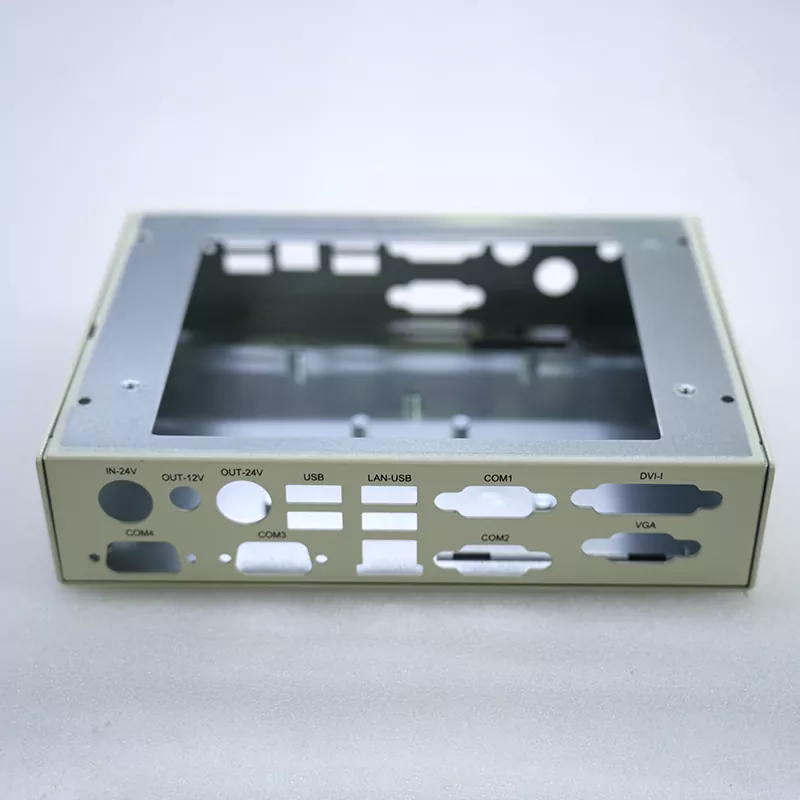
Table of Contents
Introduction to Case Sheet Metal Fabrication
Case sheet metal fabrication involves shaping, cutting, and assembling metal sheets to produce customized components or enclosures. These components are widely used in electronics, automotive, industrial machinery, and various other applications. Companies like Xinyang have been leading providers in delivering high-precision fabricated cases to meet complex industrial requirements.
Modern fabrication combines traditional metalworking skills with advanced CNC technology, ensuring that every product meets stringent quality standards.
Benefits of Case Sheet Metal Fabrication
Implementing effective sheet metal fabrication in your manufacturing workflow offers several advantages:
- Precision and Accuracy: Advanced cutting and bending techniques allow for highly precise components.
- Cost Efficiency: Efficient use of raw materials reduces waste and lowers production costs.
- Durability: Fabricated metal cases can withstand harsh environments and mechanical stress.
- Design Flexibility: Custom shapes, sizes, and finishes can be achieved easily.
- Speed: Streamlined processes and automation reduce lead time.
Common Fabrication Techniques
Several techniques are commonly employed in case sheet metal fabrication. Each technique has its advantages and ideal use cases.
| Technique | Description | Applications |
|---|---|---|
| Laser Cutting | High-precision cutting of complex shapes. | Electronics enclosures, automotive parts. |
| Bending | Forming metal sheets into specific angles or curves. | Chassis, brackets, panels. |
| Punching | Creating holes and slots using press machines. | Ventilation panels, connectors. |
| Welding | Joining metal sheets securely for structural integrity. | Industrial equipment, heavy machinery enclosures. |
| Finishing | Surface treatments like powder coating, anodizing, or plating. | Corrosion protection, aesthetic enhancement. |
Materials Used in Sheet Metal Fabrication
The choice of material impacts the strength, weight, and performance of the fabricated case. Common materials include:
- Stainless Steel: High corrosion resistance and strength.
- Aluminum: Lightweight, ideal for portable devices.
- Carbon Steel: Cost-effective for heavy-duty applications.
- Copper and Brass: Excellent for electrical components and decorative cases.
Selecting the right material ensures the product meets both functional and aesthetic requirements.
Challenges and Solutions
While case sheet metal fabrication is highly effective, manufacturers face several challenges:
- Maintaining Tolerances: Solution: Use CNC machines and precise measurement tools.
- Material Waste: Solution: Optimize cutting patterns and implement nesting software.
- Surface Defects: Solution: Apply proper finishing and quality inspections.
- High Volume Production: Solution: Automate repetitive tasks and streamline workflow.
Best Practices for Manufacturers
Following these best practices ensures successful case sheet metal fabrication:
- Design for manufacturability (DFM) to minimize complexity and reduce cost.
- Collaborate closely with suppliers for material selection and fabrication methods.
- Invest in high-quality machinery and regular maintenance.
- Conduct rigorous quality control checks throughout the production process.
- Keep detailed documentation for every project to facilitate repeatability and improvements.
Frequently Asked Questions
- What industries benefit most from case sheet metal fabrication?
- Electronics, automotive, industrial machinery, medical devices, and telecommunications frequently use sheet metal cases.
- How long does the fabrication process take?
- Lead times vary depending on design complexity, materials, and volume, typically ranging from a few days to several weeks.
- Can I customize the design of my sheet metal case?
- Yes, customization is a key advantage. Fabricators like Xinyang offer design assistance and prototyping services.
- What finishing options are available?
- Options include powder coating, anodizing, painting, polishing, and plating for corrosion resistance and aesthetics.
- Is CNC technology necessary for quality fabrication?
- While not mandatory, CNC machines ensure higher precision, reduced errors, and faster production times.
Conclusion
Case sheet metal fabrication is essential for producing durable, precise, and customizable metal components. By understanding the techniques, materials, and best practices outlined in this guide, manufacturers can enhance product quality, reduce costs, and streamline their operations. Companies like Xinyang provide end-to-end solutions that combine expertise, advanced technology, and efficient processes to deliver top-quality fabricated cases.
For expert assistance and to discuss your next project, contact us today and discover how we can transform your manufacturing process.