

How Can a Power Connector Improve Electrical Connections and System Reliability?
2026-08-27
Article Summary
A reliable electrical connection is the foundation of safe and efficient power transmission systems. A power connector plays a critical role in connecting electrical circuits, ensuring stable current flow, reducing energy loss, and improving equipment performance. However, choosing the wrong connector may lead to overheating, signal interruption, poor contact performance, and unexpected maintenance costs. This article explains how power connectors work, why they are important, how to select the right solution, and how Shenzhen REUNION Electronic Co., Ltd. provides dependable connector solutions for different industrial applications.
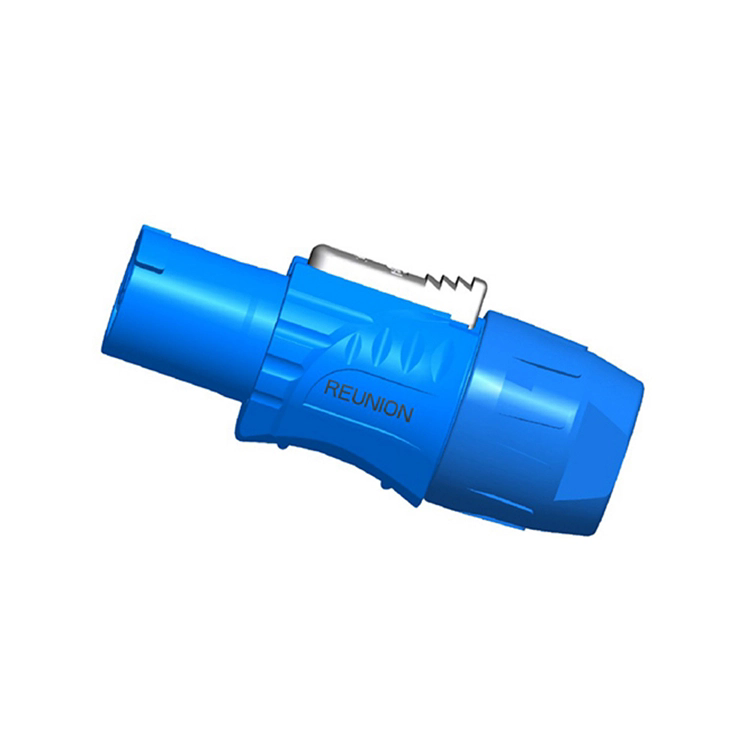
Table of Contents
- 1. Why Is a Power Connector Important in Modern Electrical Systems?
- 2. How Does a Power Connector Work?
- 3. What Are the Main Types of Power Connectors?
- 4. How to Choose the Right Power Connector?
- 5. What Advantages Can High-Quality Power Connectors Provide?
- 6. Where Are Power Connectors Commonly Used?
- 7. How Can Users Maintain Power Connector Performance?
- 8. Frequently Asked Questions About Power Connectors
1. Why Is a Power Connector Important in Modern Electrical Systems?
Electrical equipment continues to become more compact, powerful, and intelligent. From industrial automation systems and communication devices to renewable energy equipment and consumer electronics, every application requires safe and stable electrical connections. A power connector is designed to create a secure connection between power sources and electrical devices while supporting efficient energy transmission.
Without a reliable connector, even advanced electrical equipment may experience performance problems. Loose connections, excessive resistance, and environmental damage can cause power interruptions or safety risks. Therefore, selecting a suitable power connector is not only about completing an electrical connection but also about improving the overall reliability of a system.
Shenzhen REUNION Electronic Co., Ltd. focuses on developing and manufacturing high-quality connector solutions that meet different application requirements. Through professional design, precise manufacturing processes, and strict quality control, the company helps customers achieve stable and long-lasting electrical performance.
2. How Does a Power Connector Work?
A power connector works by creating a mechanical and electrical connection between two or more circuits. Although different connector designs vary in structure, most power connectors include several essential components that work together to ensure reliable operation.
| Component | Function |
|---|---|
| Contact Terminal | Transfers electrical current between connected components. |
| Housing | Protects internal parts and provides mechanical stability. |
| Locking Mechanism | Prevents accidental disconnection caused by vibration or movement. |
| Insulation Material | Improves electrical safety and prevents short circuits. |
When two connector parts are joined, the terminals create a conductive pathway that allows electrical current to flow. High-quality power connectors are designed with optimized contact structures to minimize resistance and reduce heat generation.
A well-designed connector must also handle mechanical stress, temperature changes, humidity, and vibration. This makes material selection and engineering design essential factors in connector performance.
3. What Are the Main Types of Power Connectors?
Power connectors are available in various designs to meet different electrical requirements. Understanding the differences between connector types helps engineers and buyers choose the most suitable option.
| Connector Type | Main Features | Typical Applications |
|---|---|---|
| Board-to-Board Power Connector | Designed for connecting circuit boards with compact structures. | Electronic equipment and control systems |
| Wire-to-Board Connector | Connects cables with printed circuit boards. | Industrial devices and electronic products |
| Wire-to-Wire Connector | Provides flexible cable-to-cable connection. | Power systems and electrical assemblies |
| Heavy-Duty Power Connector | Supports higher current loads and harsh environments. | Industrial machinery and energy equipment |
Different industries require different connector characteristics. For example, industrial equipment may require stronger mechanical protection, while electronic devices may prioritize compact size and easy installation.
4. How to Choose the Right Power Connector?
Choosing the correct power connector requires careful consideration of electrical, mechanical, and environmental factors. A connector that performs well in one application may not be suitable for another.
- Current and Voltage Requirements: The connector must support the required electrical load without overheating or performance degradation.
- Environmental Conditions: Applications exposed to moisture, dust, chemicals, or extreme temperatures require connectors with appropriate protection levels.
- Mechanical Strength: Equipment exposed to vibration or movement needs connectors with reliable locking structures.
- Installation Requirements: Easy assembly and maintenance can reduce labor costs and improve production efficiency.
- Service Life: Durable materials and stable contact performance help extend equipment lifespan.
Working with an experienced manufacturer allows customers to receive professional recommendations based on specific application conditions. Shenzhen REUNION Electronic Co., Ltd. provides customized connector solutions to help customers solve different connection challenges.
5. What Advantages Can High-Quality Power Connectors Provide?
A high-quality power connector delivers more than simple electrical connection. It improves system stability, reduces maintenance requirements, and supports long-term equipment operation.
| Advantage | Customer Benefit |
|---|---|
| Low Contact Resistance | Reduces energy loss and prevents excessive heat. |
| Strong Durability | Supports reliable operation in demanding environments. |
| Secure Connection | Reduces failures caused by vibration or accidental disconnection. |
| Flexible Design Options | Meets different equipment and installation requirements. |
For manufacturers and system integrators, connector reliability directly affects product quality. A stable connection system can reduce downtime and improve customer satisfaction.
6. Where Are Power Connectors Commonly Used?
Power connectors are widely used across many industries because almost every electrical system requires safe and efficient power transmission.
- Industrial automation equipment
- Communication infrastructure
- Medical electronic devices
- Automotive electrical systems
- Renewable energy equipment
- Consumer electronics
- Battery management systems
- Control cabinets and power distribution systems
As industries continue moving toward automation and intelligent technologies, the demand for reliable power connection solutions continues to grow.
7. How Can Users Maintain Power Connector Performance?
Proper maintenance helps extend connector service life and prevents unexpected failures. Although modern connectors are designed for durability, regular inspection remains important in critical applications.
- Check connectors regularly for signs of corrosion or physical damage.
- Ensure connectors remain properly installed and securely locked.
- Avoid exceeding the rated current and voltage specifications.
- Keep connector areas clean and protected from contamination.
- Replace damaged components immediately to prevent further system problems.
Preventive maintenance can significantly improve electrical system reliability and reduce operational interruptions.
8. Frequently Asked Questions About Power Connectors
Q1: What is the main purpose of a power connector?
A power connector provides a safe and stable electrical connection between power sources and devices, allowing efficient current transmission while maintaining mechanical reliability.
Q2: How do I know which power connector is suitable for my application?
The selection depends on factors such as voltage, current capacity, environment, installation method, and required service life. Professional connector suppliers can provide suitable recommendations based on project requirements.
Q3: Why do power connectors become hot during operation?
Excessive heat may result from high electrical resistance, poor contact, overload conditions, or an unsuitable connector specification. Choosing a properly rated connector helps reduce this problem.
Q4: Can power connectors be customized?
Yes. Many manufacturers provide customized solutions including structural design, materials, terminal configurations, and performance requirements.
Q5: Why choose Shenzhen REUNION Electronic Co., Ltd. for power connector solutions?
Shenzhen REUNION Electronic Co., Ltd. provides professional connector products designed for reliability, efficiency, and various application requirements. The company combines manufacturing experience with quality-focused production to support customers worldwide.
Conclusion
A power connector is a small but essential component that directly influences electrical system safety, efficiency, and reliability. Selecting the right connector can help reduce downtime, improve equipment performance, and create long-term value for different industries.
With professional manufacturing capabilities and a commitment to quality, Shenzhen REUNION Electronic Co., Ltd. continues to provide dependable power connector solutions for customers requiring stable electrical connections. If you are looking for reliable connector products or customized solutions for your project, please contact us today to discuss your requirements and find the most suitable solution.