

How Can Relays Help Me Cut Power Waste Without Sacrificing Control?
2026-05-07
When I look at modern electrical design, I do not just look for switching performance. I look for ways to reduce standby power, improve system stability, and make equipment easier to maintain over time. That is exactly why I keep coming back to Latching Relays. As I explored the product direction of Ningbo Huaguan Electronics Co., Ltd., what stood out to me was not just the relay category itself, but the practical value it brings to real applications where stable switching, lower energy consumption, and longer service life matter every day.
In many projects, I have seen the same frustration repeat itself. Conventional switching components may work, but they keep drawing power, generate unnecessary heat, or create design limitations when space is tight. That is where Latching Relays become a smarter option. Because they maintain their contact position without continuous coil energization, they help me think beyond basic switching and focus on efficiency, reliability, and operating cost at the same time.
I am writing this from a practical buyer and application perspective. I want to explain where the real advantages are, what problems these products can solve, and why choosing the right Latching Relays can make a meaningful difference in metering systems, lighting controls, temperature controllers, and other power-sensitive equipment.
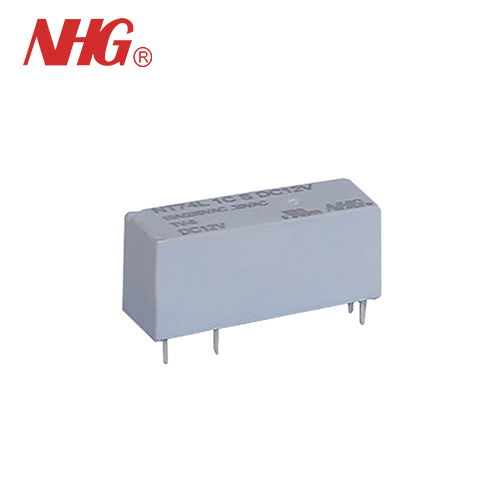
Why Do So Many Engineers And Buyers Worry About Hidden Power Loss?
One of the most common pain points I see is hidden power consumption. Many systems are expected to run continuously, sometimes across thousands or even millions of switching cycles. Even small inefficiencies become expensive when they scale. If a relay needs continuous power to hold its state, that energy use never really stops. It keeps adding heat, increases total consumption, and can put extra pressure on the overall design.
That is one reason I pay attention to Latching Relays. Their operating principle helps reduce unnecessary holding power, which makes them especially attractive in products where energy efficiency is part of the commercial value. In markets that care about long-term operating cost, this is not a cosmetic advantage. It is a design decision that affects product competitiveness.
- I can reduce standby power demand in systems that stay active for long periods.
- I can limit excess heat buildup in compact enclosures.
- I can support energy-conscious product positioning without adding design complexity everywhere else.
- I can improve the appeal of end products used in smart infrastructure and controlled switching environments.
What Makes Latching Relays Different From Ordinary Relays?
The difference matters because it affects both design logic and operating cost. A conventional relay typically needs a continuous signal to maintain its switched state. A latching design, by contrast, changes state with a pulse and then holds that position without requiring ongoing coil power. For me, this changes how I think about system efficiency and control strategy.
It also means I can use Latching Relays in applications where low power operation is not just preferred but necessary. In battery-supported systems, smart metering products, remote controls, and automated electrical devices, that distinction becomes highly valuable. I am not simply choosing a switching part. I am choosing whether the product will carry avoidable energy overhead for years.
| Comparison Point | Conventional Relay | Latching Relay |
| Holding State | Requires continuous coil power | Maintains state after pulse input |
| Energy Consumption | Higher during hold operation | Lower during sustained state |
| Heat Generation | Can be higher in long-use scenarios | Often reduced due to lower holding power |
| Suitability For Metering And Smart Control | Acceptable in some designs | Often more attractive for efficiency-focused designs |
| Long-Term Operating Cost | Can rise with continuous energization | Can be more favorable in large-scale use |
Which Customer Problems Can Latching Relays Solve In Real Products?
I think this is the question buyers care about most, because no one purchases a relay just to admire the part number. The real question is what it fixes. In my experience, these products are most persuasive when they address a specific operational headache.
- High standby consumption by reducing the need for continuous coil power.
- Thermal pressure in compact equipment by helping lower continuous energy draw.
- Space-sensitive designs when compact structure is important.
- Performance consistency concerns when stable switching behavior is needed.
- Application flexibility where designers need options such as monostable or bistable structures, or single-coil and dual-coil variants.
- Compliance expectations when projects favor components aligned with current environmental and product standards.
What I like about this category is that the value proposition is easy to connect to the end user’s budget and design goals. I do not need to force a theoretical benefit. The savings in power, the control logic advantage, and the practical fit for smart electrical devices are all easy to explain in real purchasing conversations.
How Do I Know Whether These Relays Fit Metering, Lighting, And Control Equipment?
When I evaluate fit, I start with the application environment rather than the relay alone. A product may look good on paper, but if it does not match the load, switching frequency, terminal requirements, board layout, or enclosure limitations, it creates risk later. That is why I appreciate product families that support varied use cases rather than forcing one design into every scenario.
For applications such as electric meters, lighting controls, and temperature controllers, Latching Relays make sense because these systems often benefit from efficient state retention and dependable switching. If I am designing or sourcing for products in those areas, I am usually balancing electrical performance with long-term operating efficiency. The relay should support both.
I also look for flexibility in current ratings and connection styles because that tells me whether a supplier can support broader project needs instead of just offering a single isolated model. This matters when one customer project grows into multiple related designs.
| Application Need | Why It Matters To Me | Why A Latching Design Helps |
| Electric Metering | Efficiency and stable switching are both essential | Lower holding power supports energy-conscious design |
| Lighting Control | Reliable on-off control affects user experience and system cost | State retention can support efficient switching logic |
| Temperature Controller | Consistent response and component reliability matter | Reduced continuous coil demand may improve overall efficiency |
| Compact Electrical Assemblies | Space and heat are often limiting factors | Compact, low-consumption options can ease design pressure |
What Product Features Should I Pay Attention To Before Buying?
I never choose by headline claims alone. I look at the details that affect real-world performance and manufacturing fit. Buyers often lose time because they compare price first and suitability later. I prefer to reverse that order.
- Current capacity because the relay must match actual switching requirements, not just nominal expectations.
- Coil structure because single-coil and dual-coil options can affect control strategy and circuit design.
- Insulation performance because safety and long-term durability depend on it.
- Dimensions and profile because space limits can decide whether the design is practical.
- Terminal style because PCB mounting and quick-connect compatibility influence assembly efficiency.
- Compliance alignment because material and environmental expectations often shape approval processes.
When I review a supplier offering Latching Relays, I want to see a product range that reflects actual engineering needs, not just catalog decoration. If a manufacturer can support different switching capacities, varied structural options, and application-oriented designs, it becomes much easier for me to shorten development cycles and purchasing discussions.
Is Price The Only Thing That Matters When I Choose A Relay Supplier?
No, and I think this is where many buyers create unnecessary risk for themselves. A low quote can look attractive at the start, but relay selection is one of those decisions that can quietly affect warranty claims, field stability, and long-term customer satisfaction. I care about price, of course, but I care more about whether the product will perform consistently once it is installed in real equipment.
That is why I weigh the total purchasing picture. For me, the right supplier is not simply the one with the cheapest unit cost. It is the one that helps me reduce overall business friction. If the manufacturer understands application fit, offers stable product quality, and communicates clearly, the entire sourcing process becomes more efficient.
- I spend less time correcting mismatched specifications.
- I reduce the risk of performance-related disputes later.
- I improve continuity when future projects require similar relay platforms.
- I get more confidence when presenting recommendations to internal teams or customers.
Which Advantages Make A Stronger Case For Choosing Latching Relays Today?
If I had to explain the value in a concise way, I would say the appeal of Latching Relays comes from the combination of efficiency, control stability, and practical adaptability. They are not just a niche part for one narrow application. They are a useful answer to several common design and purchasing concerns at once.
Here is how I would summarize the advantages that matter most in a commercial decision:
- Lower energy demand during sustained operation which supports products built around efficiency.
- Reduced unnecessary heat which can help compact system design.
- Broader application relevance for metering, lighting, and control products.
- Structural options that make it easier to align the relay with different control methods.
- Range flexibility across different current requirements and terminal forms.
- Better long-term value when total operational logic matters more than initial unit price alone.
How Can I Turn Relay Selection Into A Competitive Advantage Instead Of A Purchasing Chore?
I think the best sourcing decisions happen when I stop treating the relay as a minor accessory and start seeing it as a performance lever. The right component can support a better product story, especially when customers care about power efficiency, reliable switching, compact integration, and product consistency. That is where thoughtful selection of Latching Relays can do more than solve an engineering requirement. It can strengthen the final product’s market position.
If you are comparing relay options for electric meters, lighting controls, temperature controllers, or other power-sensitive applications, this is a good time to look more closely at what a specialized latching solution can offer. If you want a relay option that supports practical efficiency and dependable switching, Ningbo Huaguan Electronics Co., Ltd. is worth considering in that conversation. If you are ready to discuss specifications, application matching, or bulk sourcing needs, please contact us and leave your inquiry today. A well-matched relay choice can save you much more than purchase cost, and the sooner we talk, the sooner you can move your project forward with greater confidence.