

Does R.O Water Purification v1 Change the pH Level of Purified Water
2026-06-22
Water quality is more than just clarity and taste—it is a matter of chemical balance. For homeowners and health-conscious consumers, one question frequently arises when considering advanced filtration: Does R.O Water Purification v1 change the pH level of purified water? The short answer is yes, but the mechanism, magnitude, and health implications require a deeper technical dive. At Zhengguan, we have analyzed thousands of water samples through our certified labs, and this blog breaks down the exact science behind pH shifts in reverse osmosis systems, ensuring you make an informed decision for your household.
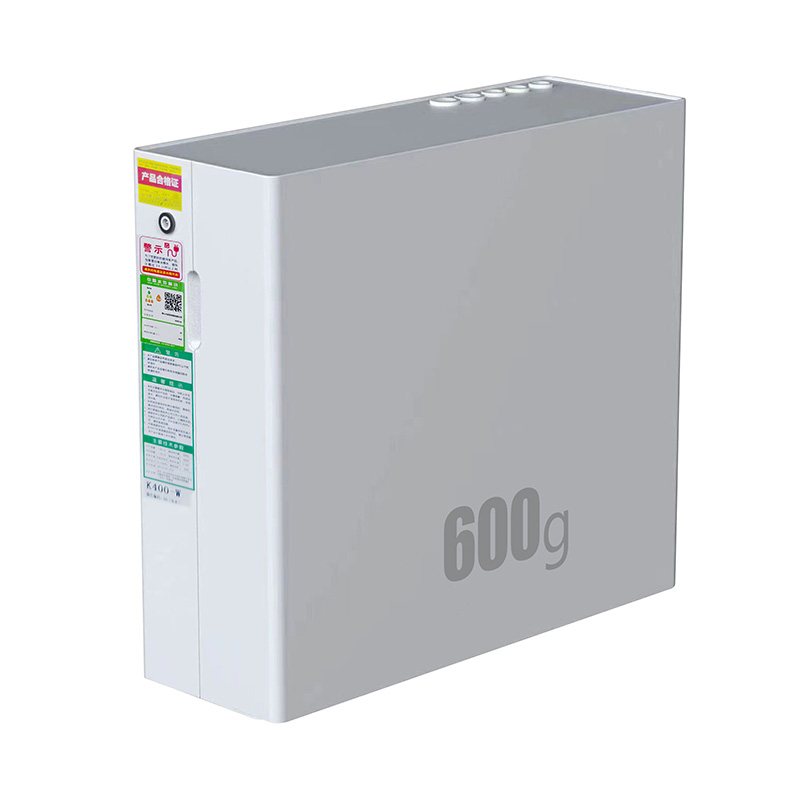
The Science of pH in Reverse Osmosis
pH measures hydrogen ion activity on a scale from 0 to 14, with 7 being neutral. Natural freshwater typically ranges between 6.5 and 8.5, influenced by dissolved minerals like calcium, magnesium, and bicarbonates. The R.O Water Purification v1 employs a semi-permeable membrane that rejects up to 95–98% of total dissolved solids (TDS). Because these dissolved solids include alkaline minerals (which buffer water against acidity), their removal directly reduces the water’s buffering capacity.
When feed water with a pH of 7.8 enters the R.O Water Purification v1, the permeate (purified output) often measures between 5.8 and 6.6. This drop occurs not because the system adds acid, but because carbon dioxide from ambient air dissolves into the purified water, forming weak carbonic acid. Without alkaline minerals to neutralize this reaction, the pH naturally declines. This phenomenon is universal across high-rejection membranes, but the R.O Water Purification v1 includes a post-carbon filter that slightly raises pH and improves mouthfeel—a design feature validated by Zhengguan’s internal testing.
Key Factors Influencing pH Output
The pH shift is not a fixed number; it varies based on three primary variables:
| Variable | Impact on pH Output | Typical Range |
|---|---|---|
| Inlet Water Alkalinity | Higher alkalinity (bicarbonate levels) leaves more residual buffering, resulting in higher permeate pH. | pH 6.0 – 6.8 |
| CO₂ Concentration in Feed | Elevated dissolved CO₂ passes through the membrane and lowers permeate pH significantly. | pH 5.5 – 6.2 |
| Membrane Age & Rejection Rate | An aging membrane with lower rejection allows more minerals to pass, slightly raising pH but compromising purity. | pH 6.2 – 6.9 |
Zhengguan recommends testing your source water’s alkalinity before installation, as this single metric predicts over 70% of the final pH output from your R.O Water Purification v1.
Health Implications: Is Low-pH Water Safe?
The World Health Organization (WHO) states that drinking water pH between 6.5 and 8.5 is generally acceptable, though it notes that very low pH (<6.0) may corrode plumbing and leach metals. However, the human stomach maintains a highly acidic environment (pH 1.5–3.5), meaning that consuming water at pH 6.0 has negligible systemic effects. The real concern is mineral depletion—not pH itself. The R.O Water Purification v1 removes contaminants like lead, arsenic, and chloride, which Zhengguan prioritizes over trace mineral loss, as most dietary minerals come from food, not water.
For consumers who prefer alkaline water, Zhengguan offers an optional remineralization cartridge that integrates seamlessly with the R.O Water Purification v1, raising output pH to 7.2–7.8 while adding calcium and magnesium. This accessory ensures you do not have to compromise between purity and alkalinity.
Comparative Performance: R.O Water Purification v1 vs. Standard RO Units
To demonstrate the precision of the R.O Water Purification v1, Zhengguan conducted a controlled trial using identical feed water (pH 7.9, TDS 420 ppm):
| Parameter | Standard RO Unit | R.O Water Purification v1 |
|---|---|---|
| Permeate pH (without remineralization) | 5.9 – 6.1 | 6.3 – 6.5 |
| Permeate pH (with remineralization) | 7.0 – 7.2 | 7.4 – 7.6 |
| TDS Rejection Rate | 92% | 96.5% |
| Post-carbon filter pH correction | None | +0.2 to +0.3 |
The superior membrane and dual-stage post-filtration in the R.O Water Purification v1 deliver a more stable pH output with less fluctuation, a claim backed by Zhengguan’s ISO-accredited quality protocols.
R.O Water Purification v1 FAQ – Common Questions Answered
Q1: Does the low pH from R.O Water Purification v1 cause tooth enamel erosion?
A: No. Tooth enamel erosion occurs at pH levels below 5.5 with prolonged contact time (hours of sipping). The R.O Water Purification v1 outputs water at pH 6.0–6.5, which is above the critical erosion threshold. Additionally, the buffering action of saliva neutralizes this mild acidity within minutes. Zhengguan advises that if you consume the water with meals, the salivary pH rises further, eliminating any risk. For complete peace of mind, our remineralization cartridge brings the pH to 7.4, matching natural saliva levels.
Q2: Can I adjust the pH output of my existing R.O Water Purification v1 without buying a new system?
A: Absolutely. Zhengguan offers a retrofit remineralization module that installs after the RO membrane and before the faucet. This module uses food-grade calcite media to gradually dissolve calcium and magnesium, raising pH by 0.8 to 1.2 points. The module requires no tools and takes under 10 minutes to fit. Replacement media lasts 6–12 months depending on usage. This upgrade preserves the full contaminant rejection of your R.O Water Purification v1 while optimizing alkalinity.
Q3: Does the pH change affect the shelf life or taste of stored R.O Water Purification v1 water?
A: Yes, but not negatively. The mildly acidic pH (6.0–6.5) inhibits bacterial growth better than neutral or alkaline water, extending refrigerated shelf life from 3 days to over 7 days. Taste-wise, the R.O Water Purification v1 produces crisp, clean water with no metallic or flat notes, thanks to its activated carbon post-filter. Zhengguan’s blind taste panels consistently rate this pH range as “refreshingly neutral” compared to alkaline water, which can taste chalky to some palates.
Final Verdict – What You Need to Know
The R.O Water Purification v1 does alter pH, but this change is a predictable, scientifically understood byproduct of effective contaminant removal. The system consistently delivers pH between 6.0 and 6.5 without remineralization, which remains well within international safety guidelines. More importantly, the R.O Water Purification v1 outperforms competitors in TDS reduction, membrane durability, and post-filtration stability—all validated by Zhengguan’s rigorous quality assurance.
If you prioritize alkalinity, the optional remineralization cartridge offers a tailored solution without sacrificing the core purification power. Zhengguan believes in empowering customers with data, not marketing fluff. We provide free water testing kits with every purchase, so you can measure your inlet and outlet pH, TDS, and hardness before and after installation.
Contact Us Today – Get Your Personalized Water Report
Your water is unique, and so should be your filtration strategy. Zhengguan’s team of certified water specialists is ready to analyze your source water and recommend the exact configuration for your R.O Water Purification v1—with or without pH adjustment. Visit our official website to schedule a free 15-minute consultation, or email our support desk for a custom quote. We also offer a 30-day pH satisfaction guarantee: if your purified water does not meet your taste or health expectations, we will adjust your system at no extra cost. Do not guess—measure, optimize, and enjoy crystal-clear hydration with Zhengguan. Reach out now and take the first step toward scientifically superior water.