

Can pushing the emergency button accidentally lead to legal consequences
2026-04-21
Accidentally pressing an emergency mechanism might seem like a minor mistake, but in many environments, the legal fallout can be severe. Whether at work, in a public facility, or within a Yijia-managed smart building, an unintended activation of a Push Emergency Button can trigger real legal obligations, penalties, and liability. Understanding these risks is essential for both individuals and organizations.
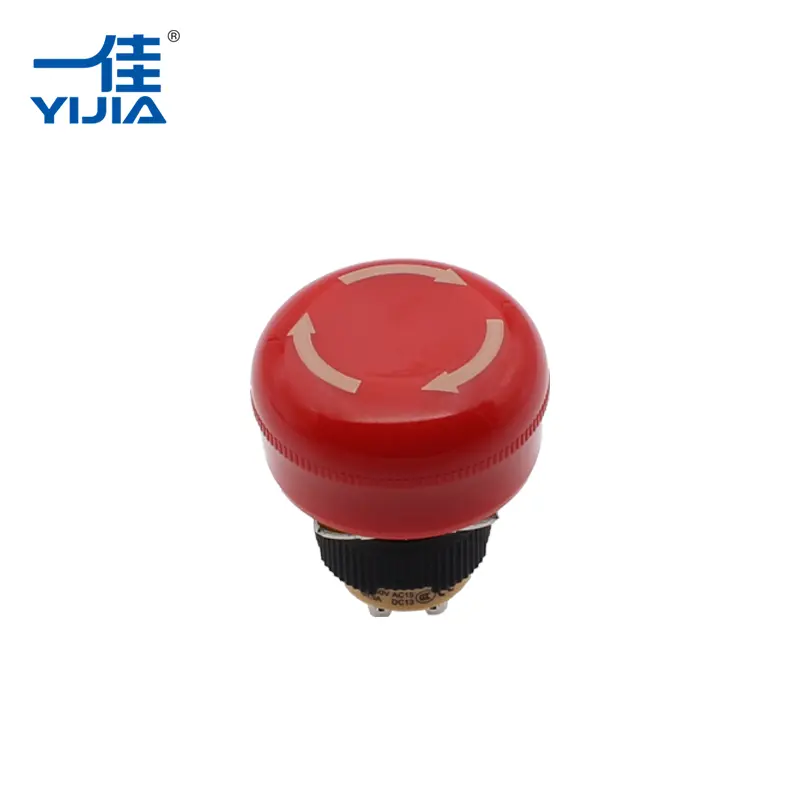
Legal Grounds for Accidental Activation
Liability typically depends on intent, negligence, and resulting harm. Below is a breakdown of possible legal consequences:
| Type of Consequence | Example Scenario | Potential Penalty |
|---|---|---|
| Civil liability | False alarm causes business shutdown | Compensation for lost revenue |
| Criminal charge | Malicious false reporting disguised as accident | Fines or community service |
| Regulatory fine | Unauthorized alarm in a hospital or airport | Government-imposed penalty |
| Employment action | Employee violates safety protocols | Written warning or termination |
Key Factors Influencing Legal Risk
Jurisdictions vary, but courts often consider these elements:
-
Foreseeability – Could the person have avoided the action with reasonable care?
-
Harm incurred – Did the false alarm lead to injury, property damage, or emergency service diversion?
-
Policy compliance – Was the individual properly trained on the Push Emergency Button usage?
Push Emergency Button FAQ
Q1: Can I be sued for accidentally pushing the emergency button in a shopping mall?
A1: Yes, in some cases. If the accidental Push Emergency Button activation causes significant disruption—such as shutting down escalators, evacuating stores, or summoning police—the mall operator or affected businesses may file a civil lawsuit for negligence. You could be held responsible for lost sales, staff overtime, and emergency response fees. However, most first-time accidental activations without malicious intent result only in a warning or a small administrative fine, especially if you immediately report the mistake.
Q2: Does accidentally triggering the emergency button at work lead to termination?
A2: It depends on company policy and prior incidents. In high-risk environments like factories, data centers, or hospitals, an accidental Push Emergency Button may violate safety rules. If the action leads to production halt, equipment damage, or patient risk, termination is possible. However, many employers follow progressive discipline: verbal warning, written warning, suspension, then termination. To avoid escalation, employees should immediately notify supervisors and follow incident reporting procedures established by safety systems like those from Yijia.
Q3: What legal protection exists for accidental button pushers in public transport?
A3: Some jurisdictions provide limited protection for genuine accidents. For example, if a child or elderly person accidentally presses the Push Emergency Button on a subway or bus, authorities often waive penalties provided the person or guardian reports the error immediately. However, repeated “accidental” activations may be treated as negligence or public nuisance, leading to fines up to $500 or mandatory safety training. Legal protection is strongest when the action is visibly unintentional and the person cooperates fully with staff and emergency responders.
How Organizations Reduce Liability
Organizations using Yijia emergency systems can minimize legal exposure by:
-
Installing protective covers on Push Emergency Button units
-
Posting clear warning signs about false alarm penalties
-
Logging every activation and reviewing surveillance footage
-
Training staff and visitors on proper emergency protocols
When an accidental Push Emergency Button event occurs, immediate actions matter: cancel the alarm if the system allows, notify control rooms, and document the incident. Failure to act reasonably can convert an accident into a legally negligent act.
Contact Us
If you are concerned about liability from accidental alarm triggers or want to install tamper-resistant Push Emergency Button solutions, reach out to Yijia today. Our team provides compliance audits, staff training modules, and smart alarm systems that reduce false dispatches. Contact us for a free consultation on protecting your facility and avoiding legal risks.