

Can LiFePO4 Batteries Be Used in Electric Vehicles
2026-01-19
The shift towards sustainable transportation has put electric vehicle (EV) technology under the microscope, with the battery at the core of the discussion. A common and critical question arises: Can LiFePO4 batteries be used in electric vehicles? The answer is a resounding yes, and they are increasingly becoming a preferred choice for many manufacturers and consumers. At VCELL POWER, we are at the forefront of this transition, providing advanced LiFePO4 Battery solutions that meet the rigorous demands of modern electric mobility.
The suitability of LiFePO4 chemistry for EVs stems from its unique balance of performance, safety, and longevity. Unlike other lithium-ion variants, LiFePO4 batteries offer a stable chemical structure that directly addresses key automotive concerns.
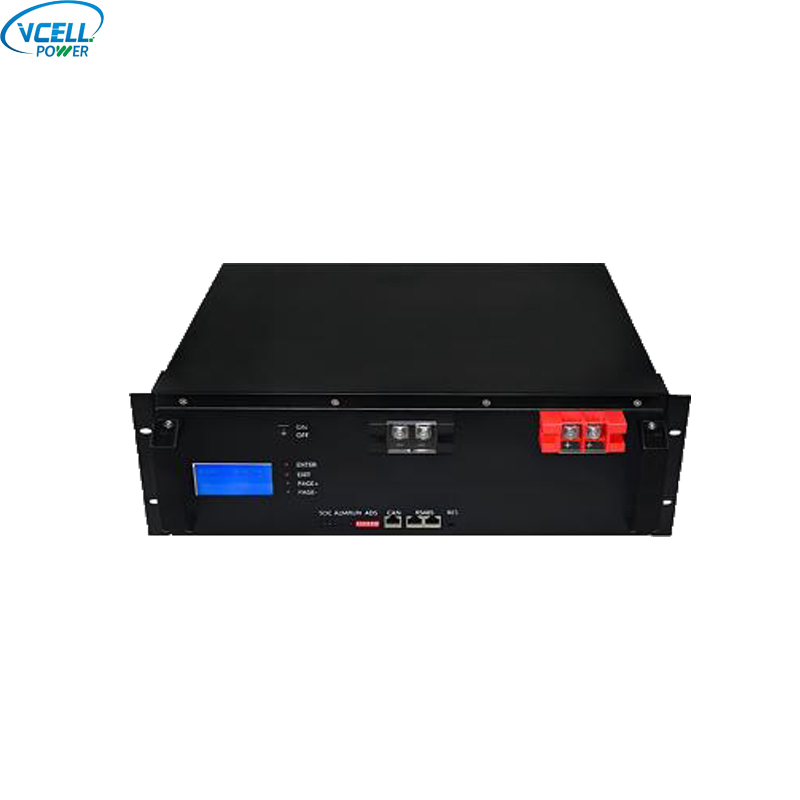
Key Advantages of LiFePO4 Batteries for EVs:
-
Exceptional Safety: Highly resistant to thermal runaway, offering superior stability even under stress or damage.
-
Long Cycle Life: Can typically withstand 3,000 to 5,000 charge cycles, significantly outlasting other batteries, which translates to a longer vehicle lifespan.
-
High Power Density: Enables strong acceleration and efficient regenerative braking.
-
Thermal Performance: Operates efficiently across a wider temperature range with less performance degradation.
LiFePO4 vs. Common EV Batteries: A Quick Comparison
| Feature | LiFePO4 (LFP) | NMC (Nickel Manganese Cobalt) |
|---|---|---|
| Energy Density | Moderate | Higher |
| Safety Profile | Inherently Safer | Requires complex BMS |
| Cycle Life | Very Long (3k-5k+ cycles) | Shorter (1k-2k cycles) |
| Cost & Resources | Lower cost, Cobalt-free | Higher cost, Cobalt-dependent |
| Thermal Stability | Excellent | Moderate |
LiFePO4 Battery FAQ
What makes LiFePO4 batteries safer for my electric car?
The strong phosphate-oxygen bond in the cathode material provides exceptional thermal and structural stability. This makes it much less prone to overheating or catching fire compared to other lithium-ion chemistries, a paramount safety feature for vehicles.
Do LiFePO4 batteries perform well in cold weather?
While all batteries see reduced efficiency in extreme cold, LiFePO4 Battery technology handles low temperatures reasonably well. A high-quality Battery Management System (BMS), like those integrated into VCELL POWER modules, is crucial to manage charging and performance in such conditions.
How does using a LiFePO4 battery impact an EV's range?
Historically, the trade-off for superior safety and lifespan was slightly lower volumetric energy density. However, modern advancements have dramatically closed this gap. While some models may have a marginally lower range per charge, the benefits of durability, safety, and total lifetime mileage are compelling advantages.
In conclusion, LiFePO4 batteries are not only viable but are a technologically superior and increasingly popular choice for electric vehicles. Their unmatched safety, longevity, and ethical material sourcing align perfectly with the long-term promises of EV ownership. For automakers and consumers prioritizing safety and total cost of ownership, LiFePO4 is the intelligent path forward.
Ready to power your electric future with confidence? Explore how VCELL POWER's robust LiFePO4 Battery systems can deliver the performance, safety, and reliability your vehicle deserves. Contact us today to learn more about our tailored EV battery solutions.