

Can Connector Injection Molding produce miniature connectors for consumer electronics
2026-11-27
Product engineers and electronics OEMs continuously downsize wearable devices, smartphones and wireless gadgets while requiring stable signal transmission and reliable mating performance. Qiren delivers precision Connector Injection Molding services optimized for micro-scale electronic components, using high-flow engineering resins and hot-runner mold systems to replicate ultra-fine structural features. The feasibility depends heavily on material selection, mold craftsmanship and design for manufacturability reviews, and many popular miniature consumer-electronic connectors are mass-produced through this process.
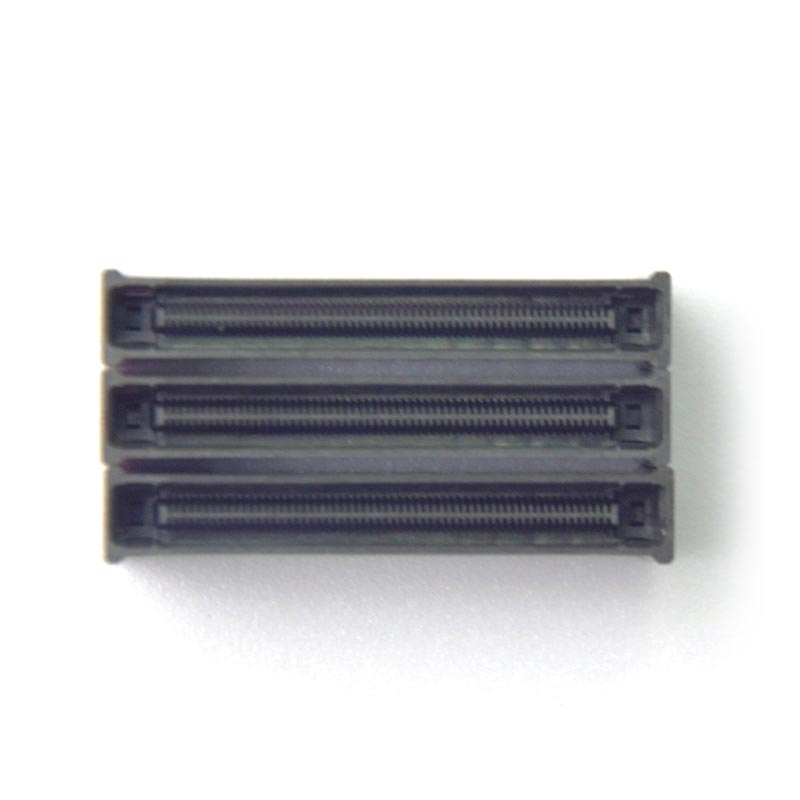
Material Selection Table for Miniature Connector Molding
| Resin Grade | Core Advantages | Typical Consumer Electronics Use | Key Limitation |
|---|---|---|---|
| LCP Liquid Crystal Polymer | Low warpage, excellent flow for thin walls, high heat resistance | Board-to-board, FPC and high-speed signal connectors | Higher raw material cost |
| PBT + GF | Balanced rigidity, low moisture absorption, cost-effective | Charging port and low-pin signal connectors | Less stable under extreme thin-wall filling |
| PA66 + GF | Good mechanical strength, wear-resistant latch structures | Standard cable connectors and accessory plugs | Higher shrinkage risk without process control |
Premium Connector Injection Molding from Qiren supports insert molding, which overmolds plastic housings directly around metal terminals to streamline assembly for compact consumer hardware.
Critical Process Guidelines
- Use Moldflow simulation before tooling to predict short shots, weld lines and uneven shrinkage on tiny cavities.
- Deploy high-precision vision inspection systems to verify pin position, wall thickness and latch geometry.
- Control mold temperature and injection speed strictly to avoid warping, which causes misalignment during connector mating.
- Reserve DFM iteration space; minor design adjustments greatly reduce scrap rates for micro-sized parts.
Connector Injection Molding FAQ
Q: What is the minimum wall thickness that Connector Injection Molding can achieve for miniature consumer connectors? A: With suitable LCP resin and finely machined molds, reliable production can reach wall thickness down to 0.15 mm. Thinner walls demand extremely stable injection parameters and polished mold surfaces. Parts below this threshold often suffer from incomplete filling and high reject rates, even with specialized micro-molding equipment.
Q: Will miniature connectors from Connector Injection Molding have consistent tolerances in high-volume runs? A: Yes, when the mold is well-maintained and process parameters are locked. Critical mating features can hold tolerances around ±0.02 mm. However, cavity-to-cavity variation accumulates in multi-cavity molds, so regular SPC sampling and vision inspection are mandatory to keep batch quality stable for consumer electronics assembly lines.
Q: Can Connector Injection Molding produce miniature waterproof connectors for earbuds and smart wearables? A: It can produce the core plastic housing, while waterproof performance usually relies on integrated TPE sealing rings or secondary overmolding. The molded plastic body must maintain precise groove dimensions to hold seals securely. Single-shot rigid molding alone cannot achieve full IP-rated sealing without complementary soft elastomer components.
Final Note
When properly engineered, Connector Injection Molding is a proven, scalable manufacturing route for miniature consumer electronics connectors, widely adopted for wearables, chargers and compact circuit boards. Qiren provides mold design, material recommendation and full validation testing for micro connector projects. Contact us today to share your 2D/3D files, target tolerance and annual volume, and our precision molding team will deliver a DFM report and formal quotation.