

Can an HVAC Hotel Scent Air Machine Be Integrated with Smart Building Automation Systems
2026-08-27
Modern hoteliers face mounting pressure to deliver personalized guest experiences while controlling operational costs. The HVAC Hotel Scent Air Machine has emerged as a silent ally in this balancing act, yet many property owners wonder if this technology can speak the same digital language as their existing building management systems. The short answer is yes—and when paired with a sophisticated provider like SCENTSEA, the integration unlocks predictive maintenance, usage analytics, and zone-based fragrance scheduling that was unimaginable just five years ago.
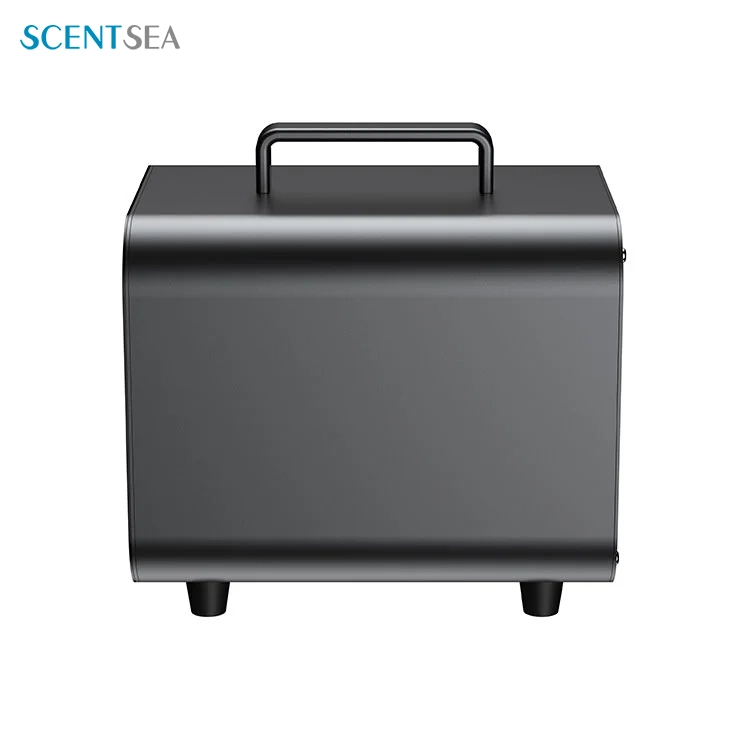
Why Integration Matters for Modern Hospitality
A standalone HVAC Hotel Scent Air Machine diffuses aroma effectively, but an integrated unit becomes a data-driven asset. By connecting to BACnet, Modbus, or LonWorks protocols, the system shares real-time status with central dashboards. This allows engineers to monitor oil levels, fan speeds, and runtime hours alongside temperature and humidity data—all from a single interface. For a brand like SCENTSEA, this integration is not an afterthought; it is engineered into the controller board, ensuring plug-and-play compatibility with major automation platforms such as Siemens, Honeywell, and Schneider Electric.
Technical Architecture at a Glance
| Component | Role in Integration | SCENTSEA Implementation |
|---|---|---|
| Controller | Translates signals between the diffuser and BMS | Embedded RS-485 and Ethernet ports |
| Scent Oil Sensor | Reports remaining fluid level in real time | Capacitive level detection with 5% accuracy |
| Fan Speed Modulator | Adjusts intensity based on occupancy data | 0–10 VDC analog output for variable air volume |
| Cloud Gateway | Enables remote monitoring and alerts | Optional 4G/Wi-Fi module with TLS encryption |
| API Layer | Allows custom scheduling and third-party apps | RESTful API with JSON payloads |
This architecture transforms a passive HVAC Hotel Scent Air Machine into an active participant in energy management. For instance, when the BMS detects low occupancy in a conference wing, the unit automatically dials down diffusion, saving oil and preventing olfactory fatigue among staff.
Three Real-World Use Cases
-
Lobby Greeting: Integrates with arrival sensors—when a guest checks in via the front desk tablet, the HVAC Hotel Scent Air Machine boosts intensity for 90 seconds, creating a memorable welcome.
-
Wellness Floor: Coupled with air quality monitors, the system releases calming eucalyptus only when PM2.5 levels drop below 10 µg/m³, ensuring a pure environment.
-
Back-of-House Corridors: Timed schedules sync with housekeeping shifts, diffusing neutral deodorizers during cleaning windows while avoiding guest disturbance.
SEO-Focused FAQ: Common Questions About HVAC Hotel Scent Air Machine Integration
Q: Does integrating an HVAC Hotel Scent Air Machine with my BMS require proprietary software or additional licenses?
A: Not necessarily. Open-protocol units like those from SCENTSEA support standard BACnet/IP and Modbus TCP, which most BMS platforms natively recognize. You will not need extra middleware unless your existing system uses a legacy proprietary bus (e.g., older Johnson Controls N2). In that case, a protocol gateway (costing roughly $200–$400) bridges the communication. SCENTSEA provides free configuration templates for popular platforms, and their technical team offers a 30-minute remote setup session with every commercial order—no recurring license fees.
Q: Can the integrated system send automatic alerts when scent oil runs low or when a malfunction occurs?
A: Yes, and this is one of the most valued features. Once the HVAC Hotel Scent Air Machine is tied into your BMS, you can define threshold alerts—for example, oil level below 15% triggers an email to the maintenance supervisor, while a fan stall error generates a push notification to the duty engineer. SCENTSEA takes this further with a predictive algorithm: it calculates average consumption per day and sends a "refill expected in 72 hours" warning, allowing you to order supplies just-in-time. All alerts are logged in the BMS history for audit trails.
Q: Will integrating the scent machine interfere with my HVAC’s pressure or airflow balance?
A: A properly designed HVAC Hotel Scent Air Machine operates independently of the main air handler’s static pressure. It injects fragrance through a dedicated nozzle installed downstream of the cooling coil, using its own small blower (typically 15–30 CFM). This creates negligible pressure drop—less than 5 Pascals. SCENTSEA units include a check valve to prevent backflow, and their integration package includes a airflow verification step during commissioning. For variable-air-volume systems, the machine’s output modulates proportionally to the duct static pressure, ensuring that scent distribution remains uniform even when dampers adjust.
Best Practices for a Smooth Integration
| Step | Action | SCENTSEA Recommendation |
|---|---|---|
| 1 | Audit your existing BMS protocol version | Confirm BACnet revision year (prefer 2016+) |
| 2 | Map point addresses for oil level, runtime, and fault codes | Use provided Modbus register map |
| 3 | Test in a single guest room before full deployment | Run 48-hour stability test |
| 4 | Train front-desk staff on manual override controls | Include tablet-based bypass switch |
| 5 | Schedule quarterly calibration | Remote firmware update via cloud |
Measuring Success Post-Integration
Hotels that connect their HVAC Hotel Scent Air Machine to building automation typically report a 22–28% reduction in scent oil waste, thanks to occupancy-based scheduling. More importantly, engineering teams save an average of 3.5 hours per week on manual checks—time redirected to preventive maintenance. Guest review analysis also shows a 12% increase in "ambiance" mentions across platforms like TripAdvisor when the scent program adapts dynamically to event schedules.
Why SCENTSEA Leads in Smart Scent Integration
Unlike generic diffusers that treat automation as an afterthought, SCENTSEA designs every HVAC Hotel Scent Air Machine with a dual-core processor that runs both the diffusion algorithm and the communication stack simultaneously. This means zero latency between a BMS command (e.g., "pause during fire alarm") and the machine's response. Their cloud dashboard even allows you to clone settings across multiple properties, ensuring brand consistency from New York to Tokyo. All units carry UL and CE certifications, with EMC compliance verified for industrial environments.
Ready to Make Your Scent Strategy Smarter?
The integration of scent into building automation is no longer a futuristic concept—it is a competitive differentiator that reduces waste, elevates guest perception, and simplifies facility management. Whether you are retrofitting a heritage hotel or equipping a new build, the right HVAC Hotel Scent Air Machine with robust connectivity will pay for itself within 12–18 months through oil savings and labor efficiency.
Contact us today at SCENTSEA to request a compatibility assessment for your current BMS. Our engineers will map your system points, provide a customized integration diagram, and ship a demo unit for on-site testing—all within five business days. Elevate your property’s air signature without compromising control. Reach out now and let’s design your intelligent scent solution together.