

Can an Atmospheric Air-Insulated Switch Be Used for Outdoor Medium-Voltage Applications Reliably
2026-06-15
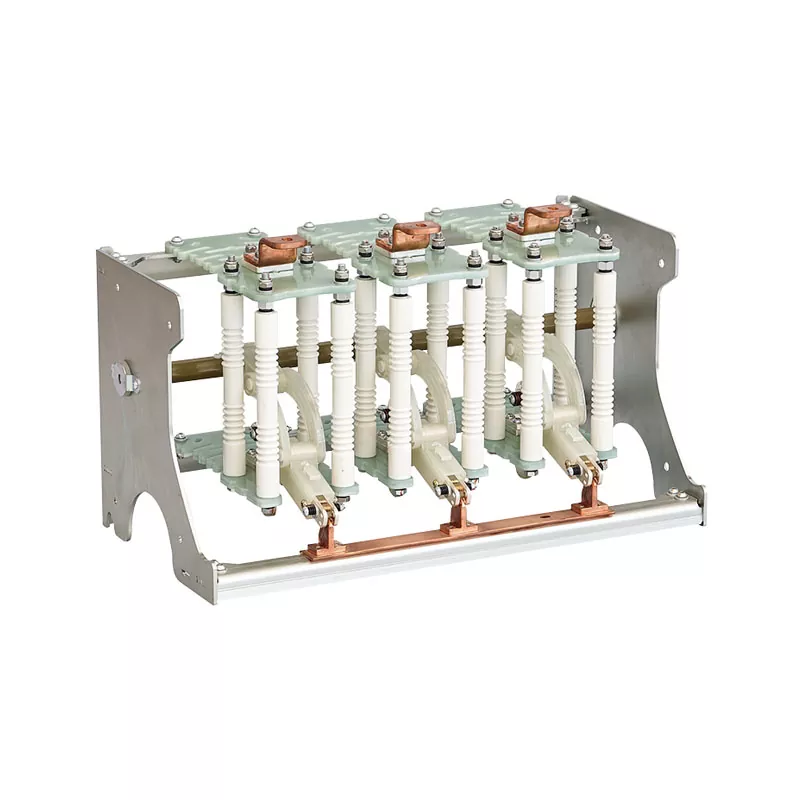
When engineers evaluate outdoor medium-voltage distribution, the Atmospheric Air-Insulated Switch often raises a critical question: is it robust enough for rain, dust, temperature swings, and UV exposure? At Senguang, field data and decades of manufacturing experience confirm that a properly designed Atmospheric Air-Insulated Switch delivers reliable performance outdoors—provided clearances, enclosures, and maintenance protocols meet IEC/ANSI standards.
Key Reliability Factors for Outdoor Use
| Factor | Requirement for Reliable Outdoor Operation |
|---|---|
| Minimum clearance (15 kV) | ≥ 160 mm (phase-to-phase) |
| Enclosure rating | IP54 minimum (IP65 recommended) |
| Operating temperature range | -25°C to +55°C |
| Altitude correction | >1000 m: apply derating factors |
| Pollution level | Class II or III creepage distances |
Why Senguang’s Design Works Outdoors
-
Galvanized steel or stainless enclosures resist corrosion.
-
Self-cleaning insulator profiles reduce flashover risk in dusty sites.
-
Visible break contacts allow external confirmation of open position.
Comparison: Outdoor vs. Indoor Application Constraints
| Parameter | Indoor Atmospheric Air-Insulated Switch | Outdoor Atmospheric Air-Insulated Switch |
|---|---|---|
| Enclosure | IP20–IP40 | IP54–IP66 with sun shield |
| Anti-condensation heater | Optional | Mandatory |
| UV-resistant polymer | No | Yes (silicone or EPDM) |
| Bird/animal protection | Not needed | Required |
3 FAQ: Atmospheric Air-Insulated Switch for Outdoor Medium-Voltage
Q1: How does humidity affect the Atmospheric Air-Insulated Switch in outdoor coastal environments?
A1: High humidity combined with salt fog significantly reduces the dielectric strength of air. For a standard open-air design, creepage distance must increase by 30–40% compared to indoor use. Senguang solves this by applying hydrophobic silicone coatings and specifying Class IV creepage distances (≥ 25 mm/kV). Additionally, internal anti-condensation heaters maintain a 5–10°C temperature rise above ambient, preventing moisture film formation on insulating surfaces. Regular quarterly inspections of heater function and insulator washdowns (fresh water) are recommended for coastal installations.
Q2: Can an Atmospheric Air-Insulated Switch operate reliably at 2000 meters altitude outdoors?
A2: Yes, but derating is mandatory. Air density decreases with altitude, reducing breakdown voltage by approximately 10% per 1000 meters above sea level. For 2000 m, a 15 kV rated Atmospheric Air-Insulated Switch must be applied at no more than 12 kV, or physical clearances must increase by 25%. Senguang offers altitude-corrected models with pre-calculated clearance tables (e.g., 15 kV model → 230 mm phase spacing at 2000 m). Without this correction, external flashovers occur during wet conditions or switching surges. Always request altitude-specific datasheets from the manufacturer.
Q3: What maintenance frequency does an outdoor Atmospheric Air-Insulated Switch require compared to an indoor unit?
A3: Outdoor units demand three times more frequent visual inspections – every 6 months for moderate climates, every 3 months for industrial or dusty zones. Typical tasks include:
-
Insulator surface cleaning (dust/pollen/bird droppings)
-
Heater and thermostat verification
-
Grease reapplication on operating mechanisms (annually)
-
Enclosure gasket integrity check
In contrast, an indoor Atmospheric Air-Insulated Switch may go 2 years with only infrared scanning. Senguang designs outdoor models with tool-less access panels and pre-marked wear indicators, cutting inspection time by 40%. A formal maintenance log should track pollution buildup trends.
Final Verdict
The Atmospheric Air-Insulated Switch is reliable for outdoor medium-voltage applications when selected with proper enclosure protection, environmental corrections, and a scheduled maintenance plan. Senguang integrates all these requirements into standard outdoor product lines – from altitude-compensated clearances to corrosion-resistant hardware.
Contact us today for a site-specific reliability assessment and quotation. Senguang engineers will provide clearance calculations, enclosure drawings, and a lifecycle cost comparison for your outdoor project.