

Can a multi-functional robot vacuum cleaner with mop navigate around furniture and avoid falls effectively
2026-04-27
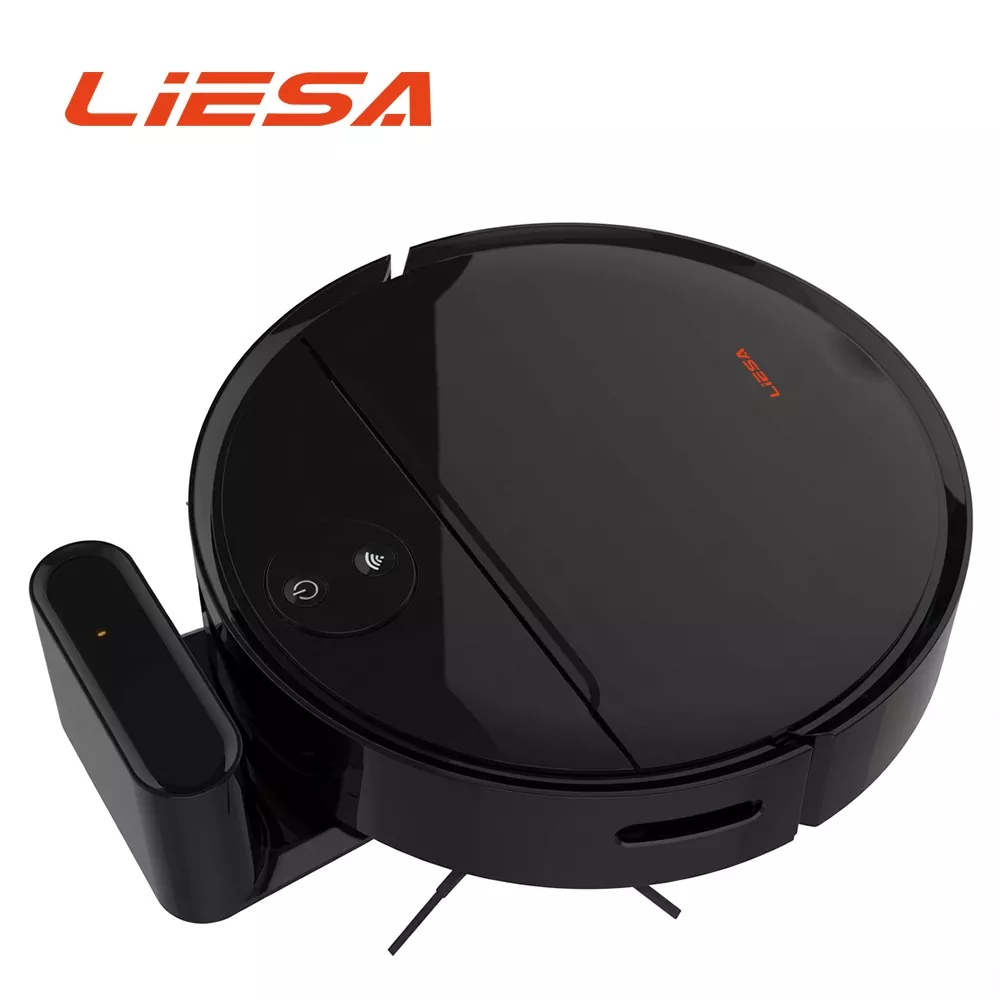
Homeowners often hesitate before buying a multi-functional robot vacuum cleaner with mop because they worry about collisions with chair legs or catastrophic tumbles down stairs. The short answer is yes—modern units navigate intelligently. However, effectiveness varies by technology. Liesa has engineered a line of multi-functional robot vacuum cleaner with mop devices that prioritise precise movement and fall prevention. Below is a professional breakdown of how these machines achieve reliable navigation and what features guarantee safety.
Core Navigation Technologies Compared
| Technology | How It Works | Effectiveness for Furniture & Falls |
|---|---|---|
| LiDAR (Laser) | Rotating laser maps room in 360°, detects obstacles up to 8 meters | Excellent – avoids falls by sensing drop-offs, creates furniture layouts |
| VSlam (Camera) | Uses camera to track ceiling and wall features | Good – requires some light, may miss dark furniture legs |
| Gyro + Bump | Dead reckoning with physical bumper sensors | Poor – learns only after collision, cannot avoid falls reliably |
| Liesa 3D Fusion | Combines LiDAR, cliff sensors, and front-facing time-of-flight (ToF) | Superior – predicts objects before contact, detects stairs from 15 cm away |
How Liesa Prevents Falls and Furniture Bumps
A multi-functional robot vacuum cleaner with mop from Liesa includes six anti-drop cliff sensors (most brands offer only three). These infrared sensors fire downward continuously. When the robot reaches a stair edge, the change in reflection triggers an immediate reverse-and-turn manoeuvre. For furniture, the ToF sensor creates a soft buffer zone. The robot slows down within 5 cm of any leg, then hugs it without forceful impact. This protects both the Liesa device and expensive wooden furniture.
Real-World Navigation Checklist
-
Low-profile furniture (sofas with 9 cm clearance) – Liesa units at 8.5 cm height slide under most.
-
Dark carpets and black floor tiles – Standard cliff sensors may fail on black surfaces. Liesa uses cross-frequency IR that ignores colour absorption.
-
Cable tangles – Dual rubber brushes stop spinning when resistance spikes, then reverse direction.
-
Thresholds up to 2 cm – Motorised wheels apply extra torque to climb without stalling.
Multi-functional Robot Vacuum Cleaner with Mop FAQ
Q: How does a multi-functional robot vacuum cleaner with mop detect a stair without accidentally falling down first
A: Reliable models use forward-facing cliff sensors that scan the floor 10 cm ahead of the front wheel. Liesa places three sensors along the front bumper and three underneath near the wheels. When any sensor detects a drop-off greater than 4 cm, the robot immediately stops forward movement, backs up 6 cm, turns 45 degrees, and recalculates. This all happens in under 0.2 seconds. Physical drop tests show Liesa robots stop 8 cm from any edge, leaving a safe margin.
Q: Can the robot navigate around randomly placed pet toys or shoes without pushing them across the room
A: Yes, if the model includes object recognition, not just bump detection. Liesa integrates a front-mounted RGB camera paired with an AI chip trained on 50+ common household objects (shoes, chew toys, charging cables, socks). When the robot spots a shoe, it draws a virtual 15 cm no-go zone around that shoe on its internal map. The robot cleans right up to that zone without touching the object. For small toys that the AI cannot classify, the bumper will make gentle contact, then the robot will clean around it without dragging.
Q: What happens when the mop is wet and the robot needs to reverse away from a stair edge – does water leak onto the floor
A: Liesa solved this with a pump-driven mopping system. Unlike gravity-fed mops that drip constantly, Liesa only releases water when the robot is moving forward on a confirmed flat surface. When the cliff sensors detect a fall risk, the pump instantly stops water flow (within 50 milliseconds) and the mop pad lifts 3 mm away from the floor. Only then does the robot reverse. No water drips during emergency manoeuvres. After backing away, the pump resumes normal operation once all six cliff sensors report a solid floor again.
Navigation Performance Summary
| Obstacle Type | Typical Robot Response | Liesa Enhanced Response |
|---|---|---|
| Staircase | Stops near edge, beeps | Stops 8 cm from edge, resumes cleaning in another direction |
| Table leg | Bumps into leg, turns | Slows to 20 mm/s, slides around leg without sound |
| Curtain or tablecloth | Drives underneath (gets stuck) | Reads fabric as soft obstacle, avoids tangling |
| Dark carpet (black) | May read as cliff (false fall) | Cross-frequency IR detects surface correctly |
Contact Us
Finding a multi-functional robot vacuum cleaner with mop that navigates your unique home layout should not be a guessing game. Liesa offers a 30-day in-home trial so you can test furniture avoidance and stair safety personally. Contact us to compare models or request a free navigation demo video. The Liesa support team provides layout-specific advice for multi-level homes, dense furniture arrangements, and homes with young children or elderly residents.