

Can a Load Break Switch Be Used for Isolating and Switching Capacitor Banks
2025-12-25
In power distribution systems, managing reactive power is crucial for efficiency and voltage stability, making capacitor banks a common solution. A frequent question from engineers and project planners is: Can a Load Break Switch be used for isolating and switching capacitor banks? The short answer is yes, but with critical considerations. The specialized duty cycle of capacitor banks—characterized by high inrush currents during energization and potential overvoltages during de-energization—demands a switch designed for more than just normal load current interruption. Selecting the right Load Break Switch is paramount for safety and system longevity, and this is where FATO's engineered solutions demonstrate their expertise and reliability.
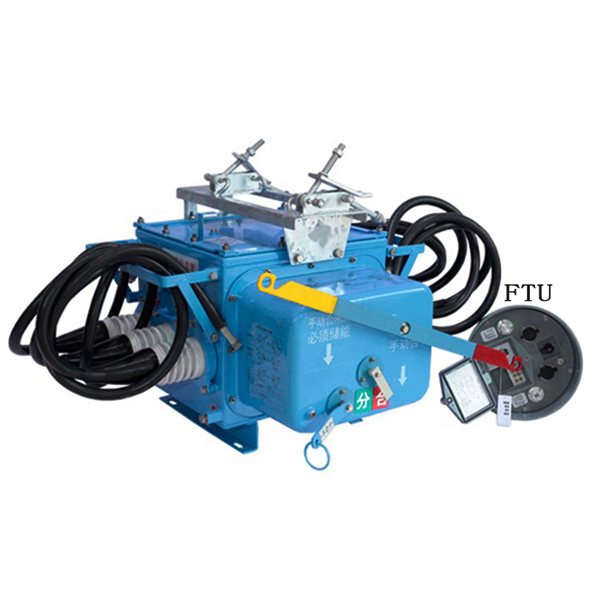
Key Considerations for Using a Load Break Switch with Capacitors
Not all load break switches are created equal for this application. The primary challenges are:
-
Inrush Current: The initial connection of a capacitor bank can create a current surge 10-20 times the rated current, causing severe contact erosion.
-
Re-strike Risk: Upon opening, if the switch cannot effectively quench the arc, a re-strike can occur, leading to dangerous overvoltages that damage the capacitors and other equipment.
FATO's capacitor switching Load Break Switches are specifically designed with features to mitigate these risks, including robust contact materials, optimized arc quenching chambers, and, in many models, pre-insertion resistors to dampen inrush currents.
Comparison: Standard vs. Capacitor-Switching Duty LBS
| Feature | Standard Load Break Switch | FATO Capacitor-Switching Load Break Switch |
|---|---|---|
| Primary Duty | Interrupting rated load current | Interrupting capacitive currents & high inrush |
| Inrush Handling | Limited, not designed for high frequency | Enhanced contacts & mechanisms for repeated switching |
| Re-strike Prevention | Basic arc control | Advanced arc quenching for clean, re-strike-free interruption |
| Application | Transformer, feeder, line switching | Capacitor Bank switching and safe isolation |
| Standards Compliance | IEC 60265-1, etc. | Meets stringent requirements for capacitor switching duty (e.g., IEC 62271-109) |
Load Break Switch FAQ
Q: What is the main difference between a Load Break Switch and a Circuit Breaker?
A: A Load Break Switch is designed to make and break load currents under normal operating conditions. It provides safe isolation but is not designed to interrupt fault currents. A circuit breaker, however, is specifically built to interrupt both load and short-circuit fault currents automatically, as per its protection relay settings.
Q: Can I use a standard isolator switch for a capacitor bank?
A: No, this is highly discouraged and unsafe. A standard isolator (disconnector) is only meant to be operated under no-load conditions to provide visible isolation. Operating it under load, especially capacitive load, will cause a severe, uncontrolled arc leading to equipment destruction and personnel hazard.
Q: How often should a Load Break Switch for capacitor duty be maintained?
A: Maintenance intervals depend on the operating frequency and severity. For a FATO switch in typical service, a visual and mechanical inspection is recommended annually. However, after every 1,000 operations or following any severe fault incident, a more detailed inspection of contacts and mechanism should be performed by qualified personnel, following the manufacturer's manual.
Conclusion
Using a purpose-built Load Break Switch for capacitor bank applications is not just feasible but a best practice for safe and reliable reactive power management. The right switch ensures operational safety, protects valuable assets, and minimizes downtime. FATO stands at the forefront of this technology, offering robust, compliant, and expertly engineered switching solutions tailored for the demanding duty cycles of capacitor circuits.
Contact Us today to discuss your specific capacitor switching needs. Let our FATO engineering team provide you with the technical data and product specifications to ensure a safe, efficient, and compliant installation.