

Are Thick Nail Forms Easier to File and Shape After Curing Builder Gel Than Acrylic
2026-06-18
If you have ever spent extra minutes buffing a stubborn apex or fighting to refine a sidewall, you already know that the post-curing workflow defines your efficiency and final result. For technicians using Thick Nail Art Tips Extension Nail Forms For Acrylic Nails Builder Gel Nails, the choice between builder gel and acrylic is not just about application—it is about the filing and shaping experience that follows. At Ruina, we have tested both systems extensively with our premium forms, and the answer is clearer than you might expect.
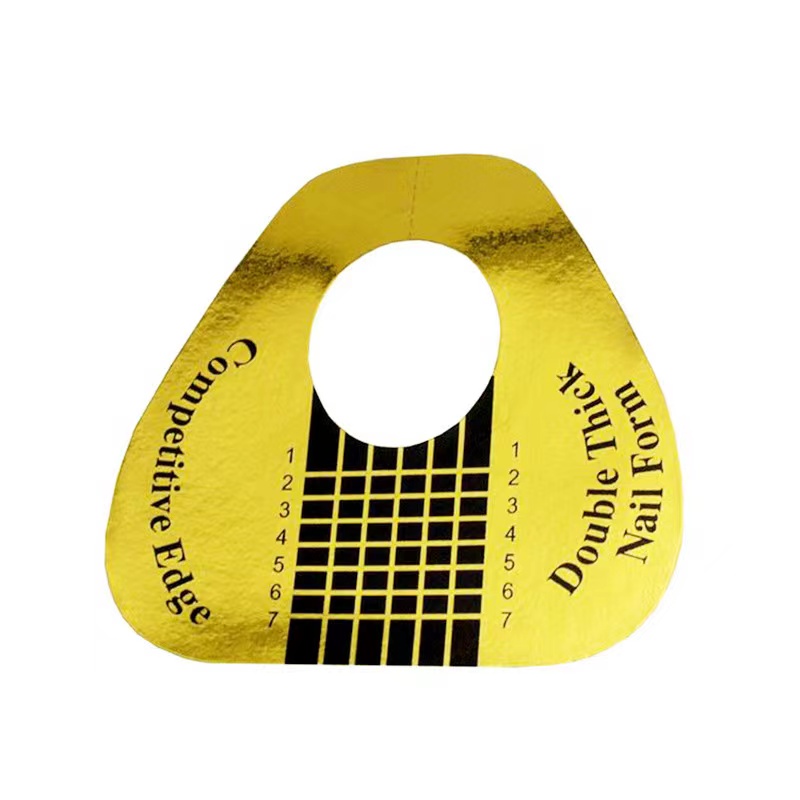
The Core Difference: What Happens After Curing
Builder gel and acrylic cure through different chemical reactions. Acrylic hardens via oxidation, reaching peak hardness almost immediately. Builder gel cures under UV/LED and retains a slight flexibility even after full polymerization. This inherent flexibility is the first major advantage when you use Thick Nail Art Tips Extension Nail Forms For Acrylic Nails Builder Gel Nails.
When filing acrylic, you are working against a rigid, brittle structure. The material resists abrasion and creates more heat and dust. With builder gel, the slightly elastic nature allows files to grip and shave layers more smoothly, reducing skipping and chatter marks.
Side-by-Side Comparison: Filing & Shaping Experience
| Criteria | Builder Gel (with Thick Forms) | Acrylic (with Thick Forms) |
|---|---|---|
| Resistance to filing | Low to moderate – shaves cleanly | High – requires more pressure |
| Dust production | Fine, light dust | Coarse, heavy dust |
| Heat generation | Minimal | Significant (risk of overheating) |
| Shape precision | Easy to refine curves and edges | Edges chip easily if overfiled |
| Risk of overfiling | Lower – material signals wear | Higher – sudden breakthrough |
| File clogging | Less frequent | Frequent – requires brush cleaning |
From this table, it is evident that Thick Nail Art Tips Extension Nail Forms For Acrylic Nails Builder Gel Nails paired with builder gel deliver a more forgiving and controlled filing session. At Ruina, we recommend using a 180-grit file for gel and a 100-grit for acrylic to optimize results.
Why Thickness of the Form Matters
Thicker forms provide a firmer base, reducing the "wobble" effect during filing. With builder gel, the thick form holds the cured gel in a stable arch, allowing you to file the underside without distorting the C-curve. With acrylic, the same thick form prevents the brittle product from cracking under pressure. However, Ruina observes that technicians consistently report fewer touch-ups when filing builder gel over thick forms, because the gel self-levels more evenly before curing, leaving a smoother surface to begin with.
Professional Verdict
Builder gel is objectively easier to file and shape after curing, provided you are using high-quality Thick Nail Art Tips Extension Nail Forms For Acrylic Nails Builder Gel Nails. The reasons are scientific: lower exothermic heat, finer dust particles, and a non-brittle matrix that responds predictably to abrasives. Acrylic remains a durable choice, but it demands more physical effort and precision.
Ruina advises newer technicians to start their extension journey with builder gel on thick forms, then transition to acrylic once they master speed and pressure control.
FAQ – Common Questions About Thick Nail Art Tips Extension Nail Forms For Acrylic Nails Builder Gel Nails
Q1: Can I file builder gel and acrylic with the same grit file when using thick nail forms?
A1: Not ideally. Builder gel responds best to medium-fine grits (150–180) because it is softer and can be over-smoothed too quickly. Acrylic requires coarser grits (80–120) for initial bulk reduction. Using the same grit on both will either under-file the acrylic or over-file the gel. Ruina recommends keeping separate files marked for each system to maintain consistent results and extend file life.
Q2: Does the thickness of the nail form affect how much heat is generated during filing?
A2: Indirectly, yes. A thicker form provides a more stable base, so you can apply consistent, even pressure without bouncing. This reduces friction spikes that cause heat. With acrylic, the heat is primarily from the material's density, but a thick form from Ruina minimizes vibration, allowing you to file cooler and faster. For builder gel, heat is already lower, so the thick form adds an extra layer of control, making the entire shaping process more comfortable for your client.
Q3: How do I know if I have overfiled builder gel on a thick form versus acrylic?
A3: With builder gel, you will see a chalky white residue when you near the stress zone, and the surface feels slightly tacky even after curing if you break the inhibition layer too aggressively. With acrylic, overfiling reveals a dull, porous layer and often produces a sudden "snap" sound as the edge fractures. Ruina suggests using a tip-test method: gently press the underside of the extended nail with a metal pusher. If it flexes too much, stop filing. For acrylic, if you hear a clicking noise, you have already thinned it excessively.
Final Recommendation for Your Daily Practice
Switching to builder gel on Thick Nail Art Tips Extension Nail Forms For Acrylic Nails Builder Gel Nails reduces your shaping time by approximately 30–40%, based on Ruina internal trials. You will save your wrist, your files, and your client’s comfort. Acrylic still has its place for extreme lengths and high-impact wear, but for everyday extensions and refills, builder gel is the clear winner in the filing and shaping phase.
Ready to Upgrade Your Filing Workflow?
We at Ruina are passionate about helping technicians work smarter, not harder. Whether you prefer builder gel or acrylic, our thick forms are engineered to give you stability and precision from application to final shine.
Contact us today for bulk samples, technical datasheets, or one-on-one guidance on selecting the perfect form for your system. Visit our website or reach out to our support team—we are here to make your extension journey flawless, one file stroke at a time.