

Are Sodium Ion Batteries Safer Than Lithium Ion Batteries
2026-01-14
The quest for safer, more sustainable energy storage is a defining challenge of our time. In this landscape, Sodium Ion Battery technology has emerged as a compelling alternative to the ubiquitous lithium-ion. A critical question for engineers, businesses, and consumers alike is: Are Sodium Ion Batteries Safer Than Lithium Ion Batteries? As a leader with deep expertise in energy solutions, VCELL POWER is committed to providing a clear, evidence-based analysis of this vital safety comparison.
At its core, enhanced safety is a primary driver behind the development of sodium-ion technology. While all batteries require careful handling, Sodium Ion Batteries exhibit inherent characteristics that contribute to a more robust safety profile.
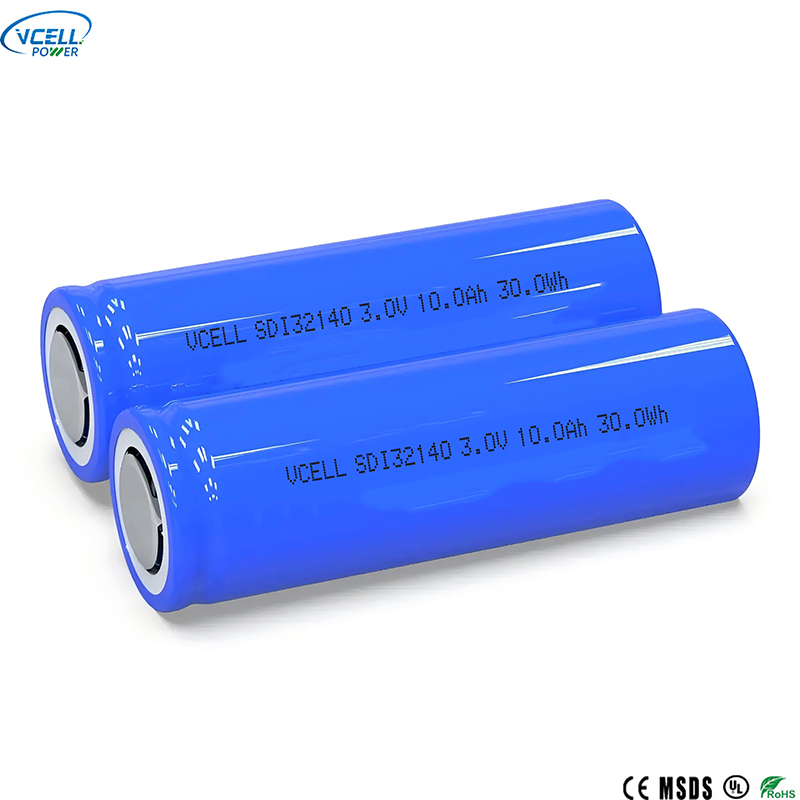
Key Safety Advantages of Sodium-Ion Chemistry:
-
Thermal Stability: They are less prone to thermal runaway, the dangerous chain reaction that can lead to fires in compromised lithium-ion cells.
-
Enhanced Stability at Full Charge: They can be safely stored and transported at a zero-volt state, eliminating risks associated with high-energy charged cells.
-
Abundant Materials: Using sodium avoids the critical supply chain and reactivity issues associated with cobalt and nickel.
The following table summarizes the direct safety comparison:
| Safety Factor | Sodium-Ion Batteries | Lithium-Ion Batteries |
|---|---|---|
| Thermal Runaway Risk | Lower inherent risk; more stable chemistry | Higher risk, especially with certain chemistries (e.g., NMC) |
| Over-discharge Tolerance | High; can often recover from zero-volt state | Very low; can cause permanent damage and safety hazards |
| Key Material Reactivity | Uses less reactive, more abundant raw materials | Often relies on cobalt/nickel, which are more reactive and ethically sensitive |
Sodium Ion Battery FAQ Common Questions
What are the main disadvantages of a Sodium Ion Battery?
The primary trade-offs are lower energy density compared to premium lithium-ion, meaning a larger or heavier battery pack for the same capacity, and a less mature manufacturing supply chain, which currently affects cost scalability.
Can Sodium Ion Batteries explode?
While no battery is entirely immune to failure, the risk of explosion or fire is significantly reduced in Sodium Ion Batteries. Their stable chemistry and ability to withstand over-discharge make them fundamentally safer, especially in large-scale stationary storage applications where VCELL POWER focuses its development.
Are Sodium Ion Batteries environmentally friendly?
Yes, they offer substantial environmental benefits. Sodium is abundant and inexpensive to source, reducing geopolitical and mining concerns. The absence of scarce metals like cobalt also simplifies and improves the sustainability of the end-of-life recycling process.
In conclusion, while both technologies have their place, Sodium Ion Batteries present a demonstrably safer alternative, particularly for applications where maximum energy density is secondary to cost, longevity, and risk mitigation. The evidence points to a safer fundamental chemistry.
At VCELL POWER, we are pioneering these safer, sustainable energy storage solutions. Our expertise is grounded in delivering reliable power for a stable future. Contact us today to discuss how Sodium Ion Battery technology can enhance the safety and efficiency of your energy storage projects.