

Are LiFePO4 Batteries Safer Than Other Lithium-Ion Batteries
2026-01-28
When evaluating energy storage solutions, safety is a paramount concern for consumers and industries alike. A frequent and critical question arises: Are LiFePO4 batteries safer than other lithium-ion batteries? The short answer is a resounding yes, and the scientific rationale behind this is robust. At VCELL POWER, we specialize in advanced LiFePO4 Battery technology, leveraging its inherent stability to provide power solutions you can trust.
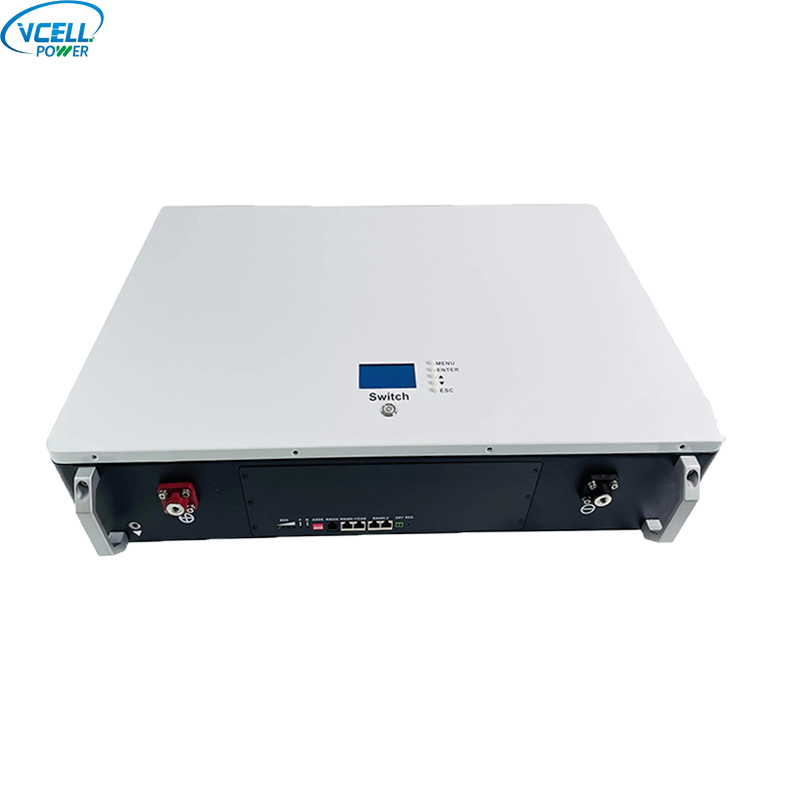
The superior safety profile of Lithium Iron Phosphate (LiFePO4) chemistry stems from its fundamental structural and thermal stability compared to other lithium-ion variants like Lithium Cobalt Oxide (LiCoO2). The key differentiators include:
-
Stable Chemical Bonding: The strong P-O bond in the cathode material resists breakdown, even under stress.
-
High Thermal Runaway Threshold: LiFePO4 batteries can withstand much higher temperatures before becoming unstable.
-
Non-Flammable Electrolyte: They are often paired with safer, non-flammable electrolytes.
-
Zero Oxygen Release: The olivine structure does not release oxygen, preventing intense fire propagation.
The following table provides a clear, professional comparison of critical safety factors:
| Safety Characteristic | LiFePO4 Battery (e.g., VCELL POWER products) | Typical Other Li-ion (e.g., NMC, LiCoO2) |
|---|---|---|
| Thermal Runaway Onset | Very High (~270°C+) | Moderate (~150-200°C) |
| Structural Stability | Exceptionally High (Olivine structure) | Lower (Layered oxide structure) |
| Tolerance to Overcharge/Short Circuit | High | Low to Moderate |
| Flammability Risk | Significantly Reduced | Higher |
LiFePO4 Battery FAQ
What makes the LiFePO4 battery chemistry inherently safer?
The LiFePO4 cathode material has an extremely stable olivine crystal structure. It does not break down easily at high temperatures or release oxygen during thermal events, which drastically reduces the risk of fire or explosion compared to other lithium-ion chemistries with less stable layered structures.
Can a LiFePO4 battery still catch fire?
While no battery is 100% immune to failure under extreme abusive conditions, LiFePO4 batteries have a dramatically lower risk. Their high thermal stability makes them far less prone to thermal runaway, the primary cause of lithium-ion battery fires. Proper use with a dedicated Battery Management System (BMS), like those integrated into every VCELL POWER LiFePO4 Battery, mitigates risks even further.
Are LiFePO4 batteries safe for indoor use?
Yes, their stable chemistry and low toxicity make them an excellent and safe choice for indoor applications such as solar storage, UPS backup systems, and residential energy storage. This is a key reason why VCELL POWER recommends them for home and office power solutions.
In conclusion, the evidence from chemical properties to real-world performance confirms that LiFePO4 batteries offer a fundamentally safer alternative to other lithium-ion batteries. For applications where safety, longevity, and reliability cannot be compromised, choosing a trusted provider is crucial. VCELL POWER is committed to engineering premium LiFePO4 Battery systems that prioritize your safety and power needs without compromise.
Ready to power your projects with the safer, more reliable choice? Contact us today to find the perfect VCELL POWER LiFePO4 solution for you.