

Wholesale Character LCD Displays: Your Ultimate Guide to High-Quality Components
2026-04-12
Welcome to the ultimate resource for navigating the world of wholesale character LCD displays. As technology evolves, choosing the right components becomes crucial for your projects, and this guide dives deep into everything you need to know about high-quality options. At the heart of this exploration is Jingda-Display, a trusted name in the display industry, renowned for delivering reliable and innovative solutions. Whether you're a seasoned engineer or a curious enthusiast, get ready to discover insights that will transform how you source and utilize these essential components. Stay tuned as we unveil key considerations, industry trends, and practical tips to help you make informed decisions and elevate your designs.
Uncover the Advantages of Bulk Purchasing in Character LCD Screens
When it comes to sourcing character LCD screens for your projects or production lines, bulk purchasing often brings about significant cost efficiencies that aren't immediately obvious. By ordering in larger quantities, manufacturers and hobbyists alike can negotiate lower unit prices, which directly translates to reduced overall expenses for components. This approach allows businesses to allocate resources more effectively, potentially freeing up budget for other critical areas like research or marketing. Beyond just the sticker price savings, bulk orders reduce per-unit shipping costs and administrative overhead, making it a smart move for anyone looking to optimize their spending without compromising on quality.
Another key benefit of buying character LCD screens in bulk is the enhanced consistency and reliability it offers across batches. When you source from a single large order, you're more likely to receive screens with uniform specifications and performance traits, minimizing the risk of variations that could disrupt assembly or functionality. This consistency is particularly valuable in manufacturing settings where even minor discrepancies can lead to production delays or quality control issues. Plus, working with a steady supply from bulk purchases helps streamline inventory management, ensuring you always have the necessary components on hand to meet project timelines and avoid last-minute shortages.
Furthermore, bulk purchasing opens up opportunities for building stronger relationships with suppliers, which can lead to better support and tailored solutions over time. Suppliers are often more willing to offer favorable terms, such as extended warranties or priority customer service, when dealing with consistent, high-volume clients. This collaboration can result in access to exclusive product information or early updates on new technologies, giving you an edge in staying competitive. In essence, thinking big with your LCD screen orders isn't just about saving money—it's about fostering partnerships that drive innovation and long-term success in your endeavors.
Key Specifications to Evaluate When Selecting Quality LCD Displays
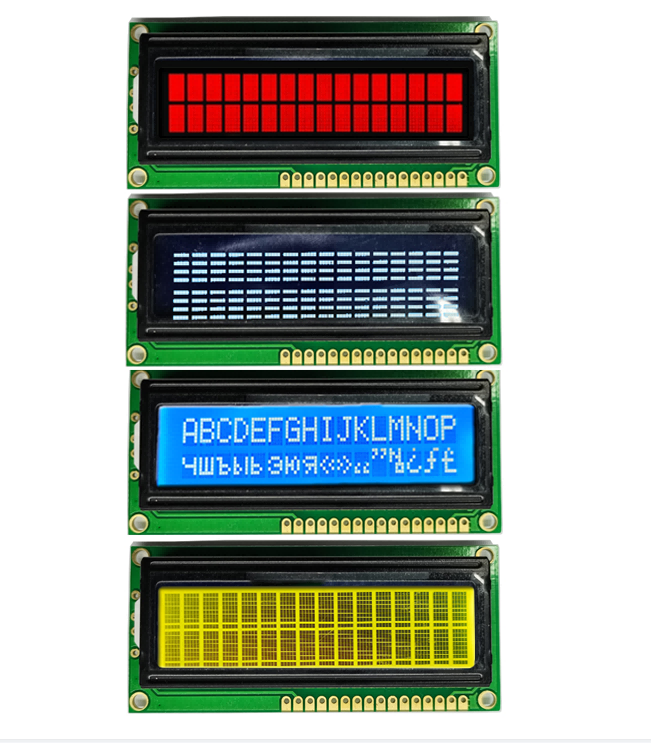
When you're in the market for an LCD display, stepping beyond just the brand or price can make all the difference in getting a screen that truly meets your needs. Key specifications like resolution, brightness, and color accuracy are often tossed around, but digging into what they mean practically is crucial. For instance, resolution isn't just about having more pixels—it's about crisp text and smooth video playback without that annoying blur. Similarly, brightness measured in nits matters more than you might think; too low and your screen washes out in sunlight, too high and it strains your eyes indoors. By focusing on these details, you can avoid the common pitfall of buying based on hype and instead choose a display that enhances your daily tasks, whether you're editing photos or binge-watching shows.
Another aspect that's easy to overlook is the refresh rate and response time, which go hand-in-hand for smooth visuals. A higher refresh rate, like 120Hz or 144Hz, makes scrolling and gaming feel fluid, while a low response time prevents ghosting in fast-moving scenes. But it's not just about numbers—consider how you'll use the display. If you're into competitive gaming, these specs might be top priority, but for general office work, they might take a backseat to ergonomic features like adjustable stands or flicker-free technology that reduces eye strain over long hours. This personalized approach helps you cut through the noise and invest in a screen that fits your lifestyle, not just the latest trends.
Color performance is another gem in the spec sheet that can elevate your experience. Look beyond basic color gamut claims and check for accurate calibration—displays with wide color coverage, like 98% sRGB or DCI-P3, are great for creative work, but they need proper tuning to avoid oversaturation. Additionally, contrast ratios and viewing angles play a role in how vibrant and consistent images appear from different positions. By testing these in real-world conditions or reading user reviews, you can ensure your display doesn't just look good on paper but delivers rich, true-to-life visuals that make everything from movies to presentations pop.
Customization Options for Tailoring Displays to Your Application
When it comes to making displays truly align with your application, customization isn't just an afterthought—it's a crucial step toward enhancing user experience and functionality. You can tweak color schemes to reflect your brand identity, adjust screen resolutions to match your specific visual needs, and even incorporate interactive elements that respond to user inputs. This level of personalization ensures that every glance at the screen feels intuitive and efficient, whether you're in a fast-paced industrial setting or a detail-oriented medical environment.
Beyond basic adjustments, consider integrating advanced features like modular layouts or adaptive brightness controls that adjust based on ambient lighting. These options allow you to craft interfaces that not only look slick but also perform seamlessly under varying conditions. For instance, outdoor kiosks might benefit from anti-glare coatings, while control panels in dimly lit rooms could use backlit keys for clear visibility. By fine-tuning these aspects, you create displays that aren't just visually appealing but are genuinely tailored to solve real-world challenges.
Ultimately, the goal is to move beyond off-the-shelf solutions and embrace bespoke configurations that elevate your application's effectiveness. Collaborate with design teams to experiment with different fonts, iconography, and navigation flows, ensuring that every element serves a purpose. This approach not only boosts productivity but also fosters a deeper connection with users, as they interact with a tool that feels uniquely crafted for their tasks. In the end, thoughtful customization transforms displays from mere tools into integral components of your operational toolkit.
Insights into Long-Term Reliability and Durability Features
Durability is not merely a specification but a commitment to enduring performance under real-world conditions, often developed through rigorous testing that simulates decades of use in diverse environments. It's the difference between a product that fails prematurely and one that stands the test of time, reflecting meticulous engineering and material selection to resist wear, corrosion, and fatigue. By focusing on robust construction and stress-resistant components, manufacturers ensure that these features remain effective throughout the product's lifecycle, reducing maintenance needs and enhancing user trust.
Key to long-term reliability is the integration of proactive measures, such as advanced monitoring systems that predict potential failures before they occur, allowing for timely interventions. This forward-thinking approach goes beyond basic quality checks, incorporating feedback loops from field data to continuously refine designs and materials. It's about creating a seamless experience where durability becomes a natural part of the product's identity, supported by real-world validation rather than just lab results, ensuring consistent performance even in unpredictable scenarios.
Ultimately, these features contribute to a sustainable lifecycle, minimizing environmental impact by extending product longevity and reducing waste. By prioritizing durability, companies not only enhance customer satisfaction but also build a reputation for reliability that sets them apart in competitive markets. This focus on long-term value means users can depend on the product for years, knowing it's built to adapt and endure, making it a smart investment rather than a disposable item.
Strategies for Integrating Wholesale Displays into Your Supply Chain
Integrating wholesale displays into your supply chain isn't just about adding a new product line; it's about rethinking your logistics to boost efficiency and customer engagement. By embedding these displays at key points, such as warehouses or distribution centers, you can streamline the staging process for retailers, reducing handling times and minimizing damage. This proactive approach helps ensure that products are display-ready upon arrival, enhancing brand presentation and potentially speeding up shelf placement in stores.
Consider the strategic placement of wholesale displays within your supply chain as a tool for improving inventory management and responsiveness. By centralizing display assembly or customization before shipment, you can better control quality and reduce lead times, enabling quicker adaptation to market trends or promotional needs. This integration allows for more agile reactions to demand spikes, ensuring that displays are available and functional when retailers need them most, ultimately fostering stronger partnerships and reducing stockouts.
Embrace technology and data analytics to optimize the integration of wholesale displays, moving beyond basic coordination. For instance, using IoT sensors on displays can provide real-time tracking and condition monitoring, helping prevent losses and improve supply chain visibility. By analyzing this data alongside sales trends, you can tailor display strategies to specific regions or seasons, creating a dynamic system that not only supports logistics but also drives sales through targeted, timely deployments.
Tips for Maximizing Value and Performance in Industrial Settings
Boosting value and performance in industrial environments hinges on adopting a proactive maintenance strategy. Instead of waiting for equipment to break down, implementing predictive analytics allows for real-time monitoring of machinery health. This approach reduces unplanned downtime, cuts repair costs, and extends asset lifespan, translating into significant operational savings and enhanced reliability over the long term.
Integrating smart technologies like IoT sensors and automation systems can transform workflows by optimizing resource usage. For instance, data-driven insights from these tools help fine-tune production lines, minimize energy consumption, and streamline processes, leading to faster output and higher quality while keeping overheads low. It’s about working smarter, not harder, to stay competitive in a fast-paced market.
Fostering a culture of continuous improvement among staff is equally crucial. Regular training on new technologies and encouraging feedback loops empower teams to identify inefficiencies and innovate solutions. This human-centric focus boosts morale and productivity, ensuring that both machinery and personnel operate at peak levels, ultimately driving overall value in the industrial setting.
FAQ
When choosing a wholesale character LCD display, consider key features like contrast ratio for readability, viewing angle for diverse installation setups, backlight type (e.g., LED for energy efficiency), and operating temperature range to ensure reliability in various environments. These factors help balance cost and performance for bulk purchases.
Character LCD displays are optimized for showing text and simple symbols, making them ideal for applications like industrial panels or POS systems where straightforward information is needed. In contrast, graphical LCDs support images and complex graphics, which might be overkill for basic displays, affecting cost-effectiveness in wholesale orders.
Durability issues often involve susceptibility to moisture, dust, or physical impacts. To mitigate these, look for displays with robust enclosures, conformal coatings, or IP ratings. For wholesale, sourcing from suppliers that offer customization for rugged environments can enhance longevity and reduce replacement costs.
Yes, many suppliers allow customization such as adding logos, adjusting character sizes, or integrating specific interfaces like I2C or SPI. This flexibility ensures the displays align with brand identity or technical requirements, making them more versatile for bulk projects without significant price hikes.
To source cost-effectively, consider ordering in larger volumes to leverage discounts, comparing multiple suppliers for competitive pricing, and opting for standard models unless custom features are essential. Additionally, checking for warranties and after-sales support can prevent hidden costs from defects.
Backlight choices, such as LED vs. CCFL, affect energy use and visibility; LEDs are more energy-efficient and have longer lifespans, reducing long-term costs. Ensure the backlight brightness is adjustable to suit different lighting conditions, enhancing usability in varied settings without excessive power draw.
Prioritize specifications like resolution (e.g., 16x2 or 20x4 character formats), voltage compatibility (e.g., 3.3V or 5V), response time for real-time updates, and interface options. These specs ensure compatibility with existing systems and smooth integration, minimizing delays in wholesale deployments.
Conclusion
Wholesale character LCD displays offer significant advantages in bulk purchasing, reducing costs while ensuring consistent component availability for large-scale projects. Beyond price benefits, evaluating key specifications like contrast ratio, viewing angles, and operating temperature ranges is crucial for selecting high-quality displays that meet rigorous industrial standards. Customization options allow for tailoring displays to specific applications, enhancing functionality and user experience. Additionally, insights into long-term reliability and durability features ensure these components withstand harsh environments, making them a dependable choice for continuous operation.
Strategies for integrating wholesale displays into supply chains streamline procurement processes, improving efficiency and reducing lead times. In industrial settings, maximizing value and performance involves selecting displays with optimal power consumption and robust construction to minimize downtime and maintenance costs. By focusing on these aspects, businesses can leverage wholesale character LCD displays as a cornerstone for reliable and scalable solutions, ultimately driving innovation and competitiveness in various sectors from manufacturing to healthcare.
Contact Us
Contact Person: Vincent
Email: [email protected]
Tel/WhatsApp: 86 135 5485 1379
Website: https://www.jda-display.com/