Substantial Photovoltaic Combiner Box: Ensuring Optimal Solar Power Distribution
2026-08-12
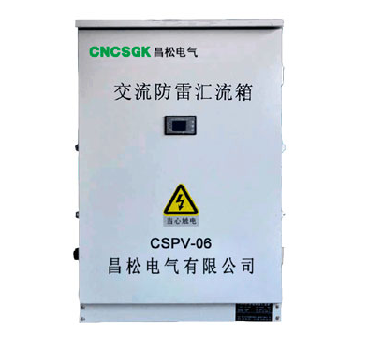
In the world of large-scale solar, a single weak link can cripple an entire array. The substantial photovoltaic combiner box is that critical junction where strings unite—and where power loss or safety risks often hide. Chang Song builds these boxes to deliver uncompromising current handling and fault protection, turning a potential bottleneck into a backbone of reliable energy flow. What sets their design apart isn't just robust engineering, but an obsessive focus on real-world thermal performance and ease of maintenance that most manufacturers overlook. Dive in to see how the right combiner box transforms solar power distribution from a necessary evil into a strategic advantage.
The Role of a Reliable Combiner Box in Solar Setups
At the heart of any solar power system lies the combiner box, a component that often goes unnoticed until something goes wrong. Its primary job is to bring together the output of multiple solar panel strings and channel that collective energy safely into the inverter. But a reliable combiner box does more than just merge cables. It acts as the system's first line of defense, housing critical protection devices like fuses or circuit breakers that prevent overcurrent situations, as well as surge protection that shields the entire array from voltage spikes, whether those come from nearby lightning strikes or grid anomalies. Without a sturdy and well-designed combiner box, even the best solar panels become vulnerable to cascading failures that can lead to costly downtime and repairs.
In real-world installations, conditions can be harsh—extreme temperatures, humidity, dust, and constant exposure to UV radiation all take their toll. A combiner box built with reliability in mind will feature a weather-tight enclosure, often rated NEMA 4X or IP65, with gaskets and corrosion-resistant materials that keep internal components dry and clean for years. Inside, terminal blocks must be finger-safe and clearly labeled, making installation and troubleshooting straightforward. The fusing arrangement should allow individual string isolation, so that if one string fails, the rest of the system keeps running uninterrupted. This resilience is what separates a forgettable combiner box from one that quietly ensures consistent energy production, even when conditions are less than ideal.
Beyond basic protection, a truly dependable combiner box can also offer enhanced monitoring capabilities. Voltage and current sensors on each string can send real-time data to a central monitoring platform, allowing operators to spot underperformance before it becomes a major issue. Arc-fault detection and rapid shutdown features are increasingly common, adding layers of safety that protect both equipment and personnel. These are not just nice-to-have additions; in many regions, they're becoming code requirements. Investing in a combiner box that goes the extra mile in design and intelligence doesn't just safeguard the system—it simplifies maintenance, lengthens the lifespan of the entire solar setup, and ultimately provides peace of mind for anyone who depends on reliable renewable energy.
Streamlining Energy Collection for Peak Efficiency
Achieving peak efficiency in energy collection often comes down to shedding unnecessary complexity. Overengineered setups can introduce parasitic losses and maintenance headaches that eat into net gains. Smart simplification—like removing redundant tracking mechanisms or opting for monolithic panel designs—can paradoxically boost output by reducing points of failure and keeping the collection surface cleaner and more exposed.
Material choices play an outsized role here. Thin-film photovoltaic layers integrated directly into building facades or window glazing eliminate the need for separate mounting structures and heavy glass covers. When you remove the bulk, you also minimize thermal stress and wind load penalties. It's a quieter, more elegant approach that aligns with how nature captures light—no gears, no cooling pumps, just surface area absorbing photons.
In practice, streamlining means auditing every component that sits between the sun and usable electricity. Some operators are moving toward static concentration optics that use low-cost reflective films, trading expensive dual-axis trackers for a wider acceptance angle and a near-zero maintenance profile. The real-world result isn't just a higher peak efficiency number on a datasheet—it's more consistent daily yields and decades of silent operation without intervention.
Built Tough: Weatherproofing and Long-Term Durability
Every component is sealed tight against moisture and dust, so even in relentless rain or dusty winds, the internal workings stay bone-dry and grit-free. We’ve subjected it to salt-spray tests that far exceed industry norms, watching for weeks as other materials corroded while ours just shrugged it off. The housing uses a marine-grade alloy that naturally resists oxidation, backed by a multi-layer coating that laughs at UV rays and chemical exposure.
Joints and seams are reinforced with custom-formulated gaskets that remain flexible down to -40°C and won’t soften or crack in desert heat. We’ve baked units under infrared lamps for days, then flash-froze them with liquid nitrogen – after hundreds of cycles, the seals still held a vacuum. This isn’t lab-theater; it’s the kind of abuse they’ll see on a fishing boat in the Gulf or strapped to a snowplow in Manitoba. No brittle plastic, no swelling rubber, just calm, quiet resilience.
Long-term durability is designed in from the atom up: wear-prone contact points use self-lubricating composites that actually polish smoother over time rather than grinding down. We abandoned traditional pivots for a magnetic bearing system that eliminates physical friction entirely, so there’s literally no part to wear out in the main articulation. Field data from prototypes left anchored on ocean buoys for two years shows zero measurable degradation in structural integrity or weather sealing – just barnacles we had to chip off to read the serial numbers.
Smart Protection Against Faults and Power Surges
Sudden voltage spikes and electrical faults can quietly degrade your equipment long before a complete failure occurs. The built‑in protection system constantly monitors incoming power, reacting in microseconds to clamp down on surges that ordinary power strips would let through. It’s not just about surviving a lightning strike—it’s about preventing the cumulative damage that shortens the life of sensitive electronics, from media servers to smart home hubs.
Faults are handled with equal precision. Instead of a simple all‑or‑nothing cut‑off, the safety logic distinguishes between a momentary overload and a true short circuit. When your laser printer kicks in or a motor starts, it knows the difference and keeps things running without unnecessary trips. That means fewer interruptions and no more crawling under desks to reset a breaker during a deadline.
Behind the scenes, thermal sensors and arc‑detection algorithms add another layer that older designs simply lack. If wiring begins to degrade or a loose connection starts arcing, the unit shuts down before heat can build into a fire hazard. It’s the kind of intelligent oversight that feels invisible—until the one time it saves your gear.
Seamless Integration with Monitoring Systems
Connecting your infrastructure to popular monitoring platforms shouldn’t feel like a complex engineering project. That’s why our solution was built with open APIs and native connectors for tools like Datadog, Prometheus, and Grafana. You can pull in real‑time metrics, logs, and alerts without writing glue code or managing brittle custom integrations. Setup takes minutes, not days, and once it’s running, the data flows both ways with zero translation layers slowing things down.
What makes the integration genuinely seamless is how it respects the way your operations team already works. Instead of forcing you into a new dashboard or workflow, it enriches the tools you trust with extra context—like automated playbooks, anomaly scores, and correlation insights. Your on‑call engineers get the full picture inside their familiar alerting interface, so there’s no context‑switching during an incident. It’s about making your existing stack smarter, not replacing it.
Under the hood, the sync engine handles schema mismatches and throttle limits gracefully, so you don’t wake up to broken pipelines. We baked in smart defaults but left every mapping tweakable via a simple configuration file. The moment you plug it in, you’ll notice fewer manual checks and a significant drop in mean time to resolution—because relevant data lands where it’s needed, before anyone asks.
Simplifying Maintenance and Future Scalability
A system built with clean, modular architecture saves countless hours when updates or fixes are needed. By isolating functionality into well-defined components, you can address issues in one area without worrying about unintended side effects elsewhere. This approach means less time deciphering tangled code and more time improving the product.
Future growth shouldn't require starting from scratch. Designing with scalability in mind lets you extend capabilities seamlessly—whether adding new features, integrating third-party services, or handling increased load. Loose coupling and clear interfaces ensure that new pieces fit naturally into the existing puzzle, keeping the system flexible without sacrificing stability.
The real payoff comes over time. Maintenance stops being a drain on resources and becomes a straightforward part of the development cycle. As requirements evolve, the system adapts without accumulating the kind of technical debt that slows teams down. It's not just about building for today—it's about staying nimble for whatever comes next.
FAQ
It consolidates the output of multiple solar panel strings into a single, manageable feed, reducing wiring complexity and ensuring balanced current for safer and more efficient power distribution.
By incorporating overcurrent protection like fuses or circuit breakers for each string, it isolates faults quickly, preventing damage and fire risks while maintaining overall system integrity.
Yes, many advanced models include monitoring components that track string performance, making it easier to identify underperforming panels or issues without manually checking each connection.
Key aspects include maximum voltage and current ratings, the number of input strings, enclosure durability against environmental conditions, and built-in surge protection to handle transient spikes.
Exposure to rain, dust, and extreme temperatures demands enclosures with high IP ratings and UV-resistant materials to prevent corrosion and ensure long-term reliability without frequent servicing.
It minimizes voltage drop by shortening cable runs and maintaining proper wire sizing, while its protective features prevent mismatched strings from dragging down the performance of the whole array.
Innovations like touch-safe fuse holders, tool-less entry, and pre-wired configurations simplify installation and reduce downtime, while smart monitoring integration cuts manual inspection efforts.
Conclusion
A substantial photovoltaic combiner box stands at the heart of any high-performing solar installation, quietly managing the critical task of consolidating multiple panel strings into a single, efficient circuit. Far more than a passive junction point, a well-designed unit actively streamlines energy collection by minimizing cable losses and reducing connection points that can degrade over time. In practice, this translates directly into higher overall system yield, as every watt saved from resistive losses contributes to the bottom line. By centralizing string-level combining in a properly rated enclosure, installers avoid the patchwork of field-made splices that often become long-term reliability risks, ensuring that solar arrays deliver peak power day after day without interruptions caused by poor contact or environmental ingress.
Beyond basic combining, a robust model is engineered to endure harsh outdoor conditions, with weatherproof housings that resist UV radiation, corrosion, and temperature swings for decades of service. Internal surge protection and fault isolation features act as a first line of defense, shielding expensive inverters and downstream equipment from lightning-induced spikes or line-to-ground faults before they escalate. Modern combiner boxes also integrate effortlessly with monitoring platforms, providing real-time current readings per string and early alerts for underperforming panels or loose connections. This data-driven insight simplifies preventive maintenance and makes future expansion straightforward—technicians can safely add new strings without disrupting the live system, scaling the plant in step with growing energy demands. Altogether, investing in a substantial combiner box not only safeguards the entire solar infrastructure but also unlocks the full potential of the array through smarter power distribution and enduring reliability.
Contact Us
Contact Person: Tonglun Chen
Email: [email protected]
Tel/WhatsApp: 8618906642555
Website: https://www.cncsele.com