Segment LCD Display Solutions: Innovative Technologies and Applications
2026-04-06
In today's fast-paced digital world, segment LCD displays have become the unsung heroes powering countless devices—from sleek smart home gadgets to rigorous industrial monitors. At Jingda-Display, we're diving deep into the innovations that make these displays more than just simple readouts. This blog explores cutting-edge technologies, from energy-efficient designs to advanced touch integrations, and reveals how they're transforming applications across industries. Whether you're an engineer seeking inspiration or a tech enthusiast curious about what's next, join us as we uncover the hidden potential behind every segment. Let's illuminate the future, one pixel at a time.
Exploring Advanced Segment LCD Technologies for Enhanced Display Clarity
Segment LCDs have long been the backbone of digital instrument panels, but recent innovations are pushing these displays far beyond basic seven-segment designs, radically improving clarity and readability. Instead of relying on traditional rigid segments, advanced technologies now incorporate more flexible, high-resolution elements that allow for smoother curves and finer details, making text and symbols appear crisper even under harsh lighting conditions. This evolution is particularly evident in automotive dashboards, where enhanced clarity reduces driver eye strain and improves safety by ensuring critical information is instantly legible. By integrating new materials and manufacturing techniques, these displays overcome the blurring and ghosting issues that plagued older models, offering a significant upgrade in visual performance without compromising energy efficiency.
One key advancement in this field is the development of segment LCDs with dynamic contrast ratios and improved viewing angles, which ensure that the display remains clear from various perspectives, a crucial feature for devices used in diverse environments like medical equipment or industrial controls. Unlike earlier versions that suffered from washout in bright settings, modern technologies employ specialized backlighting and anti-reflective coatings to maintain high visibility, even in direct sunlight. This is achieved through precise control of liquid crystal alignment and the use of advanced polarizers, which together enhance color depth and reduce glare, making every segment pop with definition. Such improvements not only boost aesthetic appeal but also support longer operational lifespans by minimizing the need for constant adjustments or replacements due to readability issues.
Looking ahead, the integration of segment LCDs with smart technologies is setting new standards for display clarity, enabling real-time adjustments based on ambient light and user preferences. Through innovative driver ICs and firmware, these displays can automatically optimize brightness and contrast, providing a consistently sharp image that adapts to changing conditions without manual intervention. This adaptability is empowering sectors like consumer electronics and public information systems, where clear communication is essential, ensuring that messages are conveyed effectively regardless of external factors. As research continues into thinner, more efficient designs, the potential for even greater clarity in segment LCDs promises to redefine user experiences, making them indispensable in an increasingly digital world where every pixel of information matters.
Customizable Segment LCD Solutions for Diverse Industry Applications
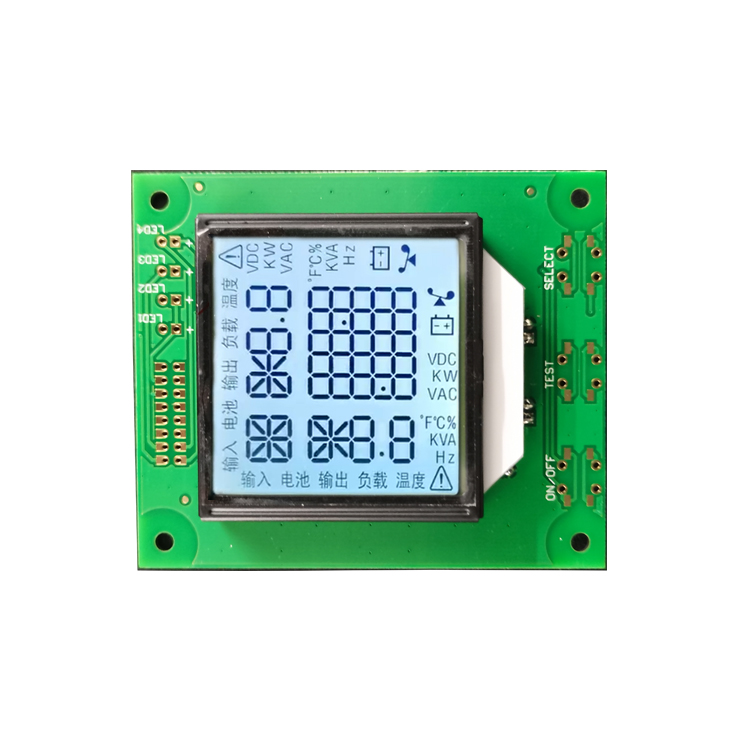
In industries ranging from medical devices to industrial automation, the need for displays that can withstand harsh environments is paramount. Customizable segment LCD solutions offer unmatched flexibility, allowing engineers to tailor display sizes, shapes, and configurations to fit specific application requirements. This adaptability ensures reliable performance under extreme temperatures, high humidity, and prolonged use, making them ideal for critical systems where failure is not an option.
Unlike standard off-the-shelf displays, these LCDs can be designed with unique segment layouts and specialized icons that enhance user interaction without compromising readability. Whether it's a compact design for wearable health monitors or a large-scale panel for machinery controls, the ability to customize every aspect—from viewing angles to power consumption—enables seamless integration into diverse products. This approach not only boosts functionality but also supports branding through distinctive visual elements that resonate with end-users.
Looking ahead, the integration of advanced materials and energy-efficient technologies in segment LCDs is driving innovation across sectors. For instance, in automotive dashboards or smart home devices, these displays provide clear information with minimal power draw, extending battery life and reducing maintenance costs. By leveraging customization, companies can future-proof their applications and stay competitive in fast-evolving markets, ensuring their devices remain both practical and cutting-edge.
Energy-Efficient Designs in Modern Segment LCD Displays
In today's fast-paced world, energy efficiency has become a cornerstone of technological advancement, particularly in segment LCD displays. These innovative designs focus on minimizing power consumption without compromising on clarity or functionality. By incorporating advanced materials and optimized circuitry, manufacturers have achieved significant reductions in power draw, making these displays ideal for battery-powered devices like smartwatches, medical equipment, and IoT sensors. This shift not only extends device battery life but also aligns with global sustainability efforts, reducing environmental impact across various industries.
What sets modern segment LCDs apart is their intelligent use of reflective and transmissive technologies tailored to specific applications. For instance, in outdoor or high-ambient-light conditions, reflective designs leverage natural light to illuminate segments, drastically cutting down on backlight energy. Meanwhile, in low-light environments, transmissive variants with efficient LED backlights provide crisp visibility while maintaining low power thresholds. This adaptability allows designers to fine-tune displays for energy savings based on usage scenarios, offering a practical edge over more rigid, power-hungry alternatives in the market.
Beyond just hardware tweaks, software integration plays a crucial role in enhancing energy efficiency. Features like dynamic segment activation and low-power sleep modes enable these displays to conserve energy during idle periods, reacting instantly when needed. By synchronizing with microcontrollers or sensors, they only draw power for essential functions, avoiding wasteful continuous operation. This holistic approach—combining material science, optical engineering, and smart programming—ensures that modern segment LCDs deliver reliable performance while pushing the boundaries of what's possible in energy-conscious design, making them a standout choice for the next generation of electronic devices.
Integrating Smart Features into Segment LCDs for Interactive User Interfaces
The evolution of segment LCDs from static displays to interactive interfaces represents a significant leap in user experience. By embedding smart features such as touch sensors, connectivity modules, and programmable microcontrollers, these displays can now respond dynamically to user input. For instance, a simple seven-segment display in a kitchen appliance might incorporate capacitive touch to allow users to adjust settings with a swipe, eliminating the need for physical buttons and creating a sleek, modern design.
One practical application is in automotive dashboards, where segment LCDs are enhanced with real-time data processing to provide interactive feedback. Drivers can tap on fuel or temperature indicators to access deeper information or adjust settings without distraction. This integration not only improves functionality but also enhances safety by keeping the interface intuitive and responsive, tailored to the driver's immediate needs.
Looking ahead, the fusion of AI with segment LCDs opens up new possibilities for predictive interactions. In smart home devices, these displays could learn user habits and proactively suggest adjustments, such as optimizing thermostat settings based on daily routines. By moving beyond basic number or letter displays, segment LCDs become versatile tools that engage users through seamless, context-aware interactions.
Durability and Reliability in Segment LCDs for Harsh Environmental Conditions
When it comes to segment LCDs operating in harsh environmental conditions, durability isn't just a feature—it's a necessity. These displays are engineered with robust materials that withstand extreme temperatures, ranging from -40°C to +85°C, ensuring they remain functional in applications like industrial machinery or automotive dashboards where fluctuations are common. The use of specialized polarizers and enhanced backlighting helps prevent performance degradation over time, even when exposed to direct sunlight or moisture. Unlike some display technologies that falter under stress, segment LCDs maintain crisp readability thanks to their passive matrix design, which reduces the risk of pixel failure and extends lifespan in demanding settings.
Reliability in these environments goes beyond mere physical toughness; it's about consistent performance under pressure. Segment LCDs achieve this through advanced sealing techniques and anti-glare coatings that protect against dust, water ingress, and chemical exposure—common challenges in outdoor or industrial use. Their low power consumption adds to reliability by minimizing heat generation, which can be a critical factor in compact or enclosed spaces. By integrating these features, manufacturers offer displays that not only survive but thrive in harsh conditions, reducing maintenance needs and downtime for users who depend on them for critical data visualization.
Innovations like wide viewing angles and custom-designed segments further enhance reliability by ensuring the display remains legible from various angles and under different lighting scenarios. In sectors such as aerospace or marine navigation, where precision is paramount, segment LCDs provide a stable, flicker-free output that traditional displays might struggle with. This focus on tailored durability solutions sets them apart, offering a practical, cost-effective alternative to more fragile technologies, making them indispensable tools for engineers and designers tackling the toughest environmental challenges.
Future Trends in Segment LCD Innovation and Market Opportunities
In the constantly evolving field of display technology, segment LCDs are carving out unique niches with advancements in flexibility and integration. Unlike standard LCDs that often focus on high-resolution panels, segment types are pushing boundaries in energy-efficient, low-power designs. These screens are becoming more durable and adaptive, with innovations allowing for thinner constructions and improved visibility under direct sunlight. This evolution opens up fresh market opportunities in sectors like automotive dashboards, where real-time data needs to be clearly readable in varying light conditions. By prioritizing robustness over pixel density, manufacturers are tapping into markets that value reliability and long-term performance over flashy graphics.
Another promising trend is the customization of segment LCDs for smart devices and wearable tech. Instead of a one-size-fits-all approach, companies are developing modular designs that can be easily tailored for different applications, from fitness trackers to industrial sensors. This flexibility reduces production costs and speeds up time-to-market, making it attractive for startups and established firms alike. As IoT devices proliferate, the demand for cost-effective, specialized displays is set to rise, fostering collaborations between hardware innovators and software developers. This synergy could lead to niche products that outperform generic solutions, creating a competitive edge in crowded tech spaces.
Looking ahead, segment LCDs are poised to benefit from eco-friendly materials and recycling initiatives, aligning with global sustainability goals. Research into biodegradable components and lower energy consumption is gaining traction, which could appeal to environmentally conscious consumers and regulators. This shift not only reduces environmental impact but also opens doors to green-tech markets and government incentives. By merging innovation with responsibility, the segment LCD industry can secure long-term growth, attracting investments from sectors focused on sustainable development. This forward-thinking approach ensures that these displays remain relevant and valuable in a world increasingly driven by both technology and environmental stewardship.
FAQ
Current advancements include enhanced power efficiency through energy-saving driving circuits, improved contrast ratios with better backlighting systems, and flexible thin-film transistor technologies that allow for more versatile designs.
Segment LCDs are ideal for applications requiring simple, static symbols or numbers like digital clocks or thermometers, offering higher readability and lower cost, while dot matrix displays excel in dynamic, text-heavy contexts such as information boards where flexibility is key.
Beyond clocks and meters, segment LCDs are now used in smart home devices for energy monitoring, wearable fitness trackers for simple data display, and industrial IoT sensors providing real-time status indicators in harsh environments.
In automotive dashboards, segment LCDs provide clear, glare-resistant displays for speedometers and fuel gauges, improving visibility under various lighting conditions and contributing to safer, more intuitive vehicle interactions.
Yes, they can be combined with overlay touch sensors or capacitive elements to create interactive interfaces, such as in control panels for appliances or medical devices, without compromising their simplicity and reliability.
By consuming minimal power and using durable materials, segment LCDs help extend battery life in portable electronics and reduce waste, supporting eco-friendly product designs that align with global green initiatives.
New materials like advanced polymers and improved sealing techniques are making segment LCDs more resistant to moisture, temperature extremes, and physical impacts, broadening their use in outdoor and industrial settings.
Manufacturers offer tailored segment shapes, colors, and backlighting options, along with custom patterns and integration capabilities, allowing designers to create unique displays that match product aesthetics and functional needs.
Conclusion
Segment LCD display solutions are revolutionizing various industries through advanced technologies that significantly enhance display clarity and adaptability. By exploring cutting-edge segment LCD technologies, manufacturers can now deliver crisper, more readable displays even in challenging lighting conditions, which is crucial for applications ranging from medical devices to automotive dashboards. The customization options available allow these displays to be tailored for diverse industry needs, ensuring that each solution fits its specific application perfectly. Moreover, the integration of energy-efficient designs into modern segment LCDs not only reduces power consumption but also extends device longevity, making them ideal for portable and battery-operated systems. This combination of innovation and practicality sets these displays apart in today's competitive market.
Looking ahead, the incorporation of smart features into segment LCDs is transforming user interfaces into more interactive and intuitive experiences, enabling real-time data feedback and enhanced usability. Durability and reliability remain paramount, especially for harsh environmental conditions where these displays must withstand extreme temperatures, moisture, and physical stress without compromising performance. As future trends in segment LCD innovation emerge, there are substantial market opportunities driven by demands for sustainability, connectivity, and specialized applications. These advancements position segment LCDs as versatile and forward-looking solutions that continue to push the boundaries of display technology, catering to evolving consumer and industrial needs seamlessly.
Contact Us
Contact Person: Vincent
Email: [email protected]
Tel/WhatsApp: 86 135 5485 1379
Website: https://www.jda-display.com/