

Hastelloy Alloys Manufacturing: Key Processes for High-Performance Applications
2026-03-26
Discover how Hastelloy alloys, the cornerstone of modern high-performance applications, are engineered through meticulous manufacturing processes. From aerospace to chemical processing, these superalloys play a pivotal role in withstanding extreme environments. In this blog, we'll explore the key production techniques that make Hastelloy a reliable choice for demanding industries. As leaders in advanced materials, companies like Jiangsu Baowu New Materials drive innovation in this field, setting new standards for durability and efficiency. Join us as we delve into the intricacies of manufacturing that shape the future of high-performance materials.
Understanding Hastelloy Alloys and Their Superior Properties
When delving into the world of advanced materials, Hastelloy alloys stand out as a remarkable class of nickel-based superalloys, developed by Haynes International. These alloys aren't just another metal blend—they're engineered to tackle some of the harshest environments imaginable, from chemical processing plants to aerospace applications. What makes them so special is their exceptional resistance to a wide range of corrosive media, including acids, chlorides, and oxidizing agents, which can quickly degrade lesser materials. This isn't merely about durability; it's about maintaining structural integrity and performance under extreme stress and temperature fluctuations, making them a go-to choice in industries where failure isn't an option.
One of the lesser-known but crucial aspects of Hastelloy alloys lies in their microstructural composition. By incorporating elements like molybdenum, chromium, and sometimes tungsten, these alloys form a protective oxide layer that actively resists pitting, crevice corrosion, and stress corrosion cracking. Unlike generic corrosion-resistant metals that might offer temporary protection, Hastelloy variants, such as C-276 or B-2, are tailored through precise metallurgical tweaks to excel in specific aggressive conditions—think sulfuric acid exposure or seawater environments. This adaptability allows engineers to select a grade that not only meets but often exceeds operational demands, reducing maintenance costs and downtime in complex systems.
Beyond their technical prowess, the real-world impact of Hastelloy alloys is felt in innovative applications that push industrial boundaries. For instance, in renewable energy sectors like geothermal power, where components face high temperatures and corrosive brines, Hastelloy's resilience ensures long-term reliability without frequent replacements. Similarly, in pharmaceutical manufacturing, where purity and contamination control are paramount, these alloys prevent leaching and contamination, safeguarding product quality. It's this blend of tailored chemistry and proven performance that sets Hastelloy apart, offering a sustainable solution that evolves with emerging industrial challenges, rather than being a static, one-size-fits-all material.
Raw Material Selection and High-Purity Melting Techniques
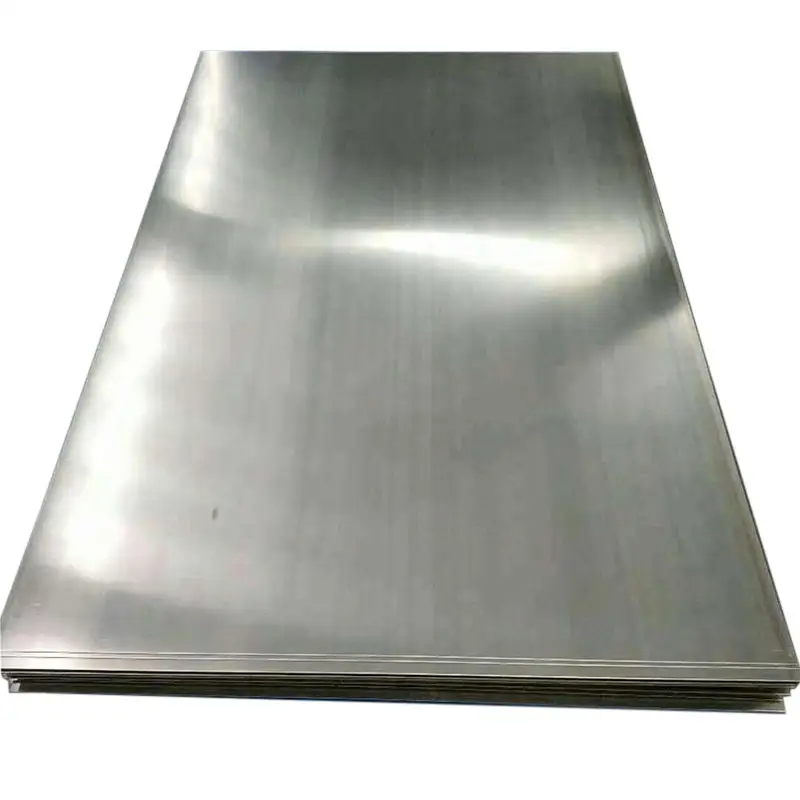
In high-performance manufacturing, the foundation of quality begins long before the production line starts humming; it's rooted in the meticulous selection of raw materials. We source only the finest grades, prioritizing elements that meet stringent criteria for composition and consistency. Each batch undergoes rigorous testing to ensure low impurity levels, as even minor contaminants can drastically affect the final product's properties. This attention to detail isn't just about meeting standards—it's about building reliability from the ground up.
Once the raw materials are vetted, high-purity melting techniques take center stage to preserve their integrity. Advanced methods, such as vacuum induction melting or controlled atmosphere furnaces, are employed to minimize oxidation and contamination during the melting process. These techniques allow for precise control over temperature and environment, ensuring that the molten material remains as pure as possible. It's a delicate balance of science and skill, transforming raw inputs into a homogeneous, high-quality base ready for further processing.
This integrated approach—combining careful selection with cutting-edge melting—sets a high bar for product excellence. By focusing on purity from start to finish, we achieve superior characteristics like enhanced strength, corrosion resistance, or specific thermal properties. It's a commitment that pays off in performance, offering a distinct edge in demanding applications where every fraction of a percent in purity can make a world of difference.
Advanced Forging and Hot-Working Methods for Alloy Integrity
In the realm of metallurgy, advanced forging and hot-working techniques play a pivotal role in enhancing alloy integrity, ensuring materials meet stringent performance standards across industries like aerospace and automotive. These methods aren't just about shaping metal; they're about carefully controlling temperature and deformation to refine grain structures, reduce defects, and boost mechanical properties such as toughness and fatigue resistance. By leveraging precise thermal cycles and innovative forging processes, engineers can tailor alloys to withstand extreme conditions, making them indispensable for critical applications where failure isn't an option.
One standout approach involves dynamic recrystallization during hot working, where strategic heating and deformation encourage the formation of fine, uniform grains within the alloy matrix. This technique not only improves strength but also minimizes residual stresses that could lead to cracking or premature wear. Unlike traditional methods, modern systems integrate real-time monitoring and adaptive controls, allowing adjustments on the fly to maintain optimal conditions—think of it as a continuous dialogue between machine and material, fostering superior consistency and reliability in the final product.
Beyond conventional forging, methods like isothermal forging and superplastic forming push boundaries by operating at specific temperatures to enhance alloy ductility and control phase transformations. These advanced processes enable complex geometries without sacrificing integrity, often resulting in components with reduced weight and increased lifespan. As industries demand lighter yet more durable materials, such innovations in hot-working not only answer the call but also set new benchmarks, blending art and science to forge alloys that stand the test of time.
Precision Machining and Surface Finishing Processes
When crafting high-performance components, the synergy between precision machining and surface finishing is paramount. Imagine a scenario where a turbine blade is milled to exacting tolerances, but the surface remains rough, leading to premature wear. Precision machining lays the foundation by removing material with tools like CNC lathes or EDM machines to achieve dimensional accuracy, while surface finishing steps in to refine textures, enhance durability, and ensure parts not only fit but excel in demanding environments. This interplay transforms raw materials into reliable, long-lasting assets, making it a cornerstone of advanced manufacturing without which modern machinery would falter.
Diving deeper into surface finishing, methods like electropolishing or vapor honing can elevate a part from functional to exceptional. For instance, in medical implants, a meticulously polished surface reduces bacterial adhesion and improves biocompatibility, a subtle yet critical upgrade. Unlike generic buffing, these processes are tailored to specific materials and end-uses, allowing engineers to dial in properties like corrosion resistance or aesthetic appeal. It's this customized approach—balancing precision cuts with nuanced finishes—that sets apart top-tier products, ensuring they meet rigorous standards while standing out in competitive markets.
From aerospace to consumer electronics, the fusion of machining and finishing drives innovation. A smartphone's sleek aluminum chassis, for example, starts with precise CNC routing but gains its signature feel through anodizing. By avoiding one-size-fits-all solutions, manufacturers can tackle unique challenges, such as reducing friction in automotive parts or achieving mirror-like finishes in luxury goods. This dynamic duo not only boosts performance but also adds value through enhanced aesthetics and functionality, proving that surface finishing is far more than a final touch—it's an integral step in creating superior, market-ready components.
Quality Control and Testing in Hastelloy Alloy Production
In the production of Hastelloy alloys, quality control and testing are pivotal to ensuring the materials meet stringent performance standards in corrosive and high-temperature environments. These processes begin at the raw material stage, where careful selection and verification of nickel, chromium, molybdenum, and other alloying elements are conducted to prevent impurities that could compromise corrosion resistance. Advanced spectroscopic analysis and chemical testing are routinely employed to confirm composition accuracy, as even minor deviations can affect the alloy's ability to withstand harsh conditions like those in chemical processing or aerospace applications.
As production progresses, non-destructive testing methods such as ultrasonic testing and radiographic inspection are applied to detect internal flaws or inconsistencies in the final products. These techniques are essential for identifying potential weak points that might lead to failures under stress. Additionally, mechanical testing, including tensile and hardness tests, is performed to verify that the alloys possess the required strength and durability. The integration of automated inspection systems has enhanced precision, allowing for real-time monitoring and data collection that supports continuous improvement in manufacturing processes.
Final verification involves comprehensive corrosion testing, where samples are exposed to aggressive media to simulate real-world conditions. This step ensures that the Hastelloy alloys can reliably perform in applications ranging from marine engineering to pharmaceuticals. By adhering to rigorous quality protocols, manufacturers not only uphold safety standards but also build trust with clients who depend on these materials for critical infrastructure. The emphasis on thorough testing has made Hastelloy alloys a benchmark for reliability in demanding industrial sectors.
Applications and Performance Benefits in Demanding Industries
In today's fast-paced world, demanding industries such as aerospace, automotive manufacturing, and energy production rely heavily on advanced technologies to stay ahead. These sectors often operate under extreme conditions—think high temperatures, intense pressures, or rapid changes—requiring robust solutions that go beyond standard offerings. For instance, in aerospace, materials must withstand not only physical stress but also environmental factors like corrosion and fatigue over long durations. By integrating cutting-edge applications, companies can enhance durability and safety, directly impacting operational efficiency and reducing downtime. This isn't just about meeting specs; it's about pushing boundaries to achieve unparalleled performance where it matters most.
Beyond mere technical specs, performance benefits in these high-stakes environments translate into tangible real-world outcomes. Consider the automotive industry, where precision and speed are paramount. Implementing innovative software and hardware solutions allows for faster production cycles and more reliable vehicles, ultimately leading to reduced costs and higher customer satisfaction. These improvements aren't incremental; they often result in breakthroughs that set new industry standards. For example, in energy sectors, optimized systems can maximize output while minimizing waste, contributing to both profitability and sustainability goals. It's a dynamic interplay where superior applications don't just solve problems—they create opportunities for growth and innovation.
Ultimately, the synergy between applications and performance benefits in demanding industries fosters a competitive edge that's hard to replicate. By focusing on tailored solutions rather than one-size-fits-all approaches, businesses can adapt to evolving challenges and leverage their strengths. This leads to a more resilient operational model that thrives under pressure, ensuring long-term success in an increasingly complex global market.
FAQ
Hastelloy alloys are primarily known for their exceptional corrosion resistance, especially in harsh environments like those with acids, chlorides, and high temperatures, making them ideal for chemical processing and aerospace applications.
The manufacturing process involves precise control of alloying elements such as nickel, chromium, and molybdenum, along with advanced techniques like vacuum melting, which minimizes impurities and enhances uniformity, directly boosting corrosion resistance and structural integrity.
Key steps include raw material selection and purification, vacuum induction melting to reduce contaminants, hot working and forging to shape the material, followed by solution annealing and quenching to optimize microstructure and mechanical properties.
They are most commonly used in the chemical processing industry for reactors and piping, the aerospace sector for turbine components, and the oil and gas industry for downhole equipment, due to their durability in corrosive and high-stress conditions.
Manufacturers face challenges such as achieving precise compositional control to avoid defects, managing the high costs of raw materials like nickel, and ensuring consistent quality during complex thermal and mechanical processing stages.
Variations in grades impact manufacturing by requiring different chemical compositions and heat treatments; for instance, C-276 offers broader corrosion resistance and is easier to weld, while B-2 excels in reducing environments but is more sensitive to thermal processing, affecting application choices based on specific corrosive media.
Quality control is crucial to ensure performance and safety, employing methods like chemical analysis to verify composition, non-destructive testing for weld integrity, and mechanical testing to confirm properties like tensile strength and ductility meet stringent standards.
Conclusion
Hastelloy alloys represent a pinnacle of materials engineering, designed to withstand the harshest conditions in industries ranging from chemical processing to aerospace. Their superior properties—such as exceptional corrosion resistance, high-temperature stability, and mechanical strength—originate from precise manufacturing processes that begin with raw material selection and high-purity melting. By meticulously controlling these initial steps, manufacturers ensure a flawless foundation, which is then enhanced through advanced forging and hot-working methods that preserve alloy integrity and eliminate structural weaknesses.
The journey continues with precision machining and surface finishing, where intricate components are shaped to exact specifications, ensuring optimal performance in demanding applications. Rigorous quality control and testing protocols validate every stage, from production to final inspection, guaranteeing reliability. Ultimately, this comprehensive approach enables Hastelloy alloys to deliver unmatched performance benefits in sectors like oil and gas, pharmaceuticals, and marine engineering, where failure is not an option, solidifying their role as indispensable materials in high-stakes environments.
Contact Us
Contact Person: Zoe Liang
Email: [email protected]
Tel/WhatsApp: 86 189 2128 6299
Website: https://www.baowuchina.com