

Copper Pipe Essentials: The Top 10 Picks for Durable Plumbing Solutions
2026-01-14
In the world of plumbing, durability isn't just a choice—it's a necessity. Copper piping has long been the gold standard for reliable, long-lasting systems, but with so many options on the market, how do you know which ones truly stand the test of time? Welcome to our guide, 'Copper Pipe Essentials: The Top 10 Picks for Durable Plumbing Solutions.' Here, we dive into the key features that make these pipes exceptional, from corrosion resistance to ease of installation. As a leader in innovative materials, Jiangsu Baowu New Materials sets the bar high with cutting-edge solutions that redefine what's possible in plumbing. Get ready to discover picks that not only meet but exceed industry standards, ensuring your projects are built to last. Let's explore what makes these top choices a must-have for any plumbing professional or DIY enthusiast.
Exploring the Durability of Copper Pipes in Modern Plumbing
In the intricate world of modern plumbing, copper pipes continue to hold a reputation for enduring strength, but how do they actually fare in today's varied applications? Beyond the surface, these pipes offer a unique blend of resilience and adaptability that sets them apart from many alternatives. Their natural composition not only resists corrosion over decades, but also adapts well to temperature fluctuations, making them a go-to choice for both residential and commercial projects. This durability stems from copper's inherent molecular stability, which prevents the gradual breakdown seen in some synthetic materials, allowing seamless integration into evolving plumbing systems without frequent replacements or repairs.
While metals like PEX and PVC have gained popularity for their affordability and ease of installation, copper stands out for its proven long-term performance under pressure. In high-stress environments, such as those with extreme water pressure or aggressive chemical exposure, copper's ability to maintain integrity without leaching harmful substances into the water supply is a key advantage. Real-world scenarios, from bustling city skyscrapers to rural homes, showcase copper pipes' consistency in delivering clean water and withstanding the test of time, often lasting well beyond the typical 50-year expectancy in optimal conditions. This reliability isn't just about longevity—it's about a material that evolves with plumbing advancements while keeping its core properties intact.
Looking ahead, the durability of copper pipes is being enhanced by modern innovations, not replaced. With advancements in manufacturing techniques, such as improved alloy blends and protective coatings, copper now offers even greater resistance to pitting and microbial growth, addressing common concerns in water quality. As sustainability becomes a priority, copper's recyclability adds another layer of durability, reducing environmental impact compared to disposable plastics. In essence, copper pipes aren't just surviving in modern plumbing—they're thriving, evolving to meet new challenges while maintaining a legacy of steadfast reliability that few materials can match.
Key Factors for Selecting High-Quality Copper Tubes
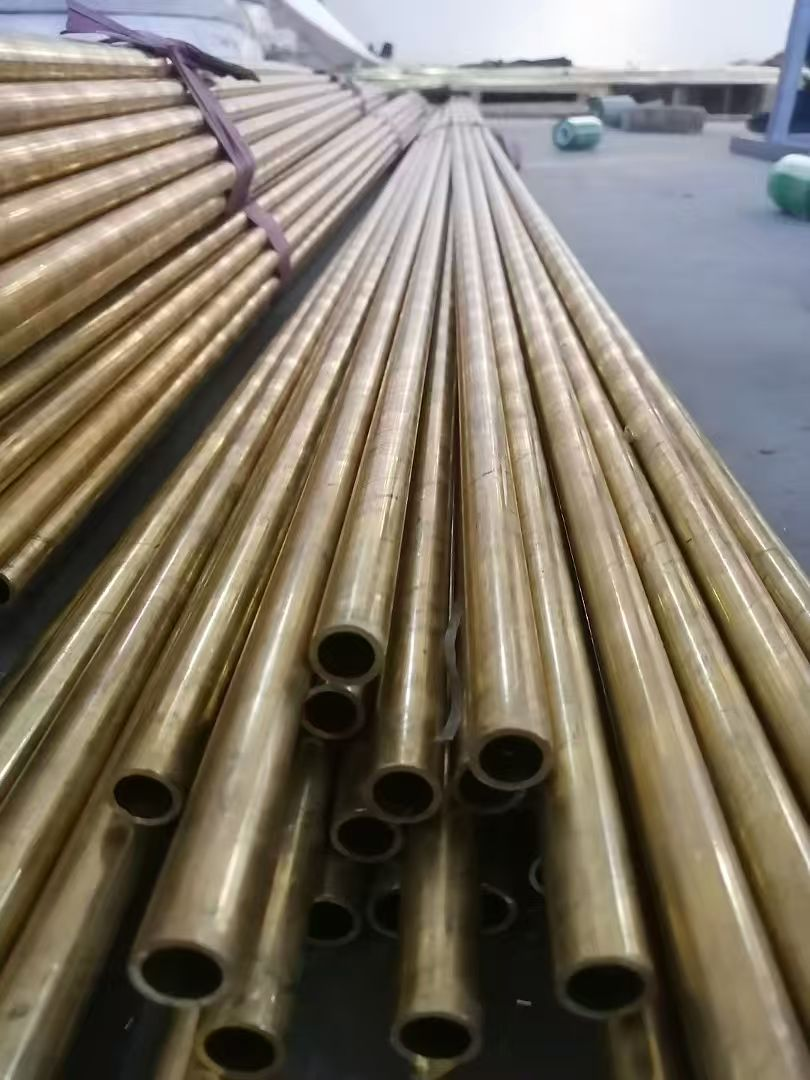
When choosing copper tubes for your project, it's crucial to focus on material purity and composition. High-quality tubes typically use ASTM-grade copper, such as C10200 or C11000, which have low impurity levels—often less than 0.02% for phosphorus. This ensures better corrosion resistance and thermal conductivity, making them ideal for applications like plumbing or HVAC systems. Look for certifications or markings that verify the copper's grade, as this directly impacts durability and performance over time.
The manufacturing process also plays a key role in tube quality. Opt for tubes produced through seamless or drawn methods, which reduce weak points and enhance structural integrity. Check for smooth internal and external surfaces without cracks or pits, as imperfections can lead to leaks or reduced efficiency. Additionally, consider the wall thickness and diameter specifications—consistent dimensions ensure a proper fit and reliable pressure handling in installations.
Finally, evaluate factors like certification and supplier reputation. Tubes with stamps from organizations like NSF or UL indicate compliance with safety and quality standards. Choosing a trusted supplier with positive reviews can prevent issues with counterfeit or subpar materials. Remember, investing in high-quality copper tubes upfront saves money on maintenance and replacements later, ensuring a long-lasting and efficient system.
Innovative Applications of Copper Plumbing in Home Systems
Copper plumbing, long revered for its durability and reliability, is now stepping into the spotlight with cutting-edge applications that enhance home systems beyond traditional water supply. In modern smart homes, copper pipes are being integrated with IoT sensors to monitor water quality, flow rates, and potential leaks in real-time. This allows homeowners to detect issues early, conserve water, and maintain a healthier living environment without the need for constant manual checks, blending classic material with digital innovation.
Beyond basic functionality, copper plumbing is revolutionizing energy efficiency through creative designs like radiant heating systems. Copper's excellent thermal conductivity makes it ideal for underfloor heating networks, where pipes circulate hot water to provide consistent, comfortable warmth. This method not only reduces reliance on traditional HVAC systems, cutting energy bills by up to 30%, but also offers a silent and dust-free alternative that improves indoor air quality, showcasing copper's versatility in sustainable home projects.
Aesthetic appeal is another area where copper plumbing shines, as architects and designers increasingly incorporate exposed copper pipes into contemporary interior styles. In kitchens and bathrooms, polished copper installations serve as both functional elements and decorative statements, adding a warm, industrial-chic look. This trend is gaining popularity for its ability to blend form and function, with copper's natural antimicrobial properties ensuring cleanliness while its timeless elegance enhances home value, making plumbing an unexpected yet impactful design feature.
Comparing Copper Pipe Types for Longevity and Performance
When it comes to choosing copper pipes for your plumbing or HVAC systems, durability and performance are key factors, and different types of copper pipes can significantly impact these aspects. For instance, Type L copper pipes are often preferred for their thicker walls, making them more resilient against pressure and corrosion over time, which can extend the lifespan of installations in both residential and commercial settings. On the other hand, Type M copper pipes, while more cost-effective, have thinner walls and may be more susceptible to damage in high-stress environments, potentially affecting long-term reliability.
Beyond wall thickness, the choice between rigid and flexible copper pipes also plays a crucial role in longevity and performance. Rigid copper pipes, such as those in Types K, L, and M, offer excellent structural integrity and are less prone to fatigue from thermal expansion or vibration, ensuring consistent flow rates and minimal leaks over decades. Flexible copper pipes, while easier to install in tight spaces, might wear faster due to bending stress, so their use is often limited to specific applications where flexibility is prioritized over extended durability.
In practice, selecting the right copper pipe type involves balancing factors like installation environment and budget. For example, in areas with aggressive water chemistry, Type K copper's extra thickness can provide superior corrosion resistance, enhancing performance and longevity compared to thinner alternatives. Consulting with a professional plumber can help tailor choices to specific needs, ensuring that the pipes not only meet current demands but also withstand the test of time without compromising on efficiency or safety.
Maintenance Tips to Extend the Life of Your Copper Installations
Copper installations can last for decades with the right care, but many overlook simple steps that dramatically boost longevity. Start by regularly wiping down exposed copper surfaces with a soft cloth to remove dust and prevent buildup that might lead to corrosion over time. It's a quick, straightforward habit that keeps your fittings looking fresh and functioning smoothly.
Another key point involves avoiding harsh chemicals when cleaning copper components. Instead of abrasive cleaners, opt for mild soap mixed with water or a homemade solution of vinegar and salt for tougher spots—just rinse thoroughly afterward. This gentle approach prevents pitting and maintains the metal's natural protective patina, which actually helps shield against further environmental damage.
Don't forget to check joints and connections periodically for leaks or discoloration, as early detection of issues like greenish stains (indicating potential corrosion) can save you from costly repairs down the line. By integrating these practical, hands-on tips into your routine, you not only preserve the aesthetic appeal of your copper setups but also ensure they serve reliably for years to come.
Real-World Examples of Copper Pipe Success in Plumbing Projects
Copper pipes continue to shine in residential plumbing, with many homeowners opting for them during major renovations. For instance, a century-old house in Boston underwent a complete plumbing overhaul where copper was chosen for its durability and ease of installation in tight spaces. The plumbers reported that the pipes handled high water pressure effortlessly, and the homeowner noted no leaks or corrosion issues even after years of use, saving on future repair costs.
In commercial settings, copper's reliability is equally evident. A large hotel in Miami replaced its outdated piping system with copper to meet increased demand and regulatory standards. The project involved extensive retrofitting across multiple floors, and the flexibility of copper allowed for seamless integration with existing structures. Post-installation, the hotel management highlighted improved water quality and a significant reduction in maintenance calls, attributing this to copper's resistance to bacteria buildup and long-term performance.
Beyond traditional applications, copper pipes are proving their worth in innovative projects like green building initiatives. A net-zero energy home in California utilized copper for its plumbing system due to its recyclability and efficiency in heat transfer. This not only supported the home's sustainability goals but also enhanced overall energy savings, as copper pipes helped optimize hot water distribution without the need for additional insulation, showcasing how this material adapts to modern environmental priorities.
FAQ
Copper pipes stand out for their exceptional corrosion resistance and durability, ensuring long-lasting performance even in harsh water conditions. They handle high pressure well and are less prone to leaks compared to some alternatives, making them a reliable pick for plumbing.
Consider the pipe type—Type L is common for residential use due to its thickness, while Type M works for low-pressure applications. For outdoor or underground setups, Type K offers extra durability. Always check local codes and consult with a professional to match your needs.
Copper pipes generally perform well with most water types, but in areas with highly acidic or aggressive water, corrosion might accelerate. Using a water softener or protective coatings can help mitigate this, so it's wise to test your water quality first.
Proper installation includes using the correct fittings, soldering joints securely without overheating, and ensuring adequate support to prevent sagging. Avoid contact with dissimilar metals to prevent galvanic corrosion and insulate pipes in cold areas to prevent freezing.
Copper pipes tend to be more expensive upfront than PEX or PVC, but they offer longer lifespans and lower maintenance costs over time. This makes them a cost-effective investment for durable plumbing, especially in high-use or long-term applications.
Copper pipes require minimal maintenance—just periodic checks for leaks or corrosion, especially at joints. Flushing the system annually can prevent mineral buildup, and ensuring proper insulation helps avoid issues in extreme temperatures.
Yes, copper is recyclable and often made from recycled materials, reducing environmental impact. Its long life cycle means less frequent replacements, cutting down on waste compared to some plastic pipes that may degrade faster.
Always wear protective gear like gloves and goggles during installation to avoid cuts or burns from soldering. Ensure proper ventilation when using flux, and follow electrical safety rules if pipes are near wiring to prevent hazards.
Conclusion
When exploring the durability of copper pipes in modern plumbing, it's clear that their longevity and resilience make them a top choice for durable solutions. Real-world examples of copper pipe success in plumbing projects consistently demonstrate their ability to withstand harsh conditions, from residential water systems to industrial applications. By comparing copper pipe types for longevity and performance, users can identify the best options that offer superior corrosion resistance and structural integrity. Key factors for selecting high-quality copper tubes include purity, wall thickness, and compliance with industry standards, ensuring reliable performance over decades. This foundational understanding sets the stage for making informed choices that prioritize sustainability and efficiency in plumbing installations.
Innovative applications of copper plumbing in home systems highlight its versatility beyond traditional uses, such as in radiant heating or potable water lines. Maintenance tips to extend the life of your copper installations, like regular inspections and proper insulation, further enhance their durability and cost-effectiveness. These approaches not only prevent common issues but also optimize performance, making copper pipes a smart investment for long-term solutions. By integrating these insights, professionals and homeowners can achieve robust plumbing systems that stand the test of time, blending practicality with advanced material science for superior outcomes in any project.
Contact Us
Contact Person: Zoe Liang
Email: [email protected]
Tel/WhatsApp: 86 189 2128 6299
Website: https://www.baowuchina.com