

Best Circuit Breaker: Reliable Options for Safe Electrical Systems
2026-07-27
When it comes to electrical safety, your first line of defense is a dependable circuit breaker. But with countless options on the market, picking the right one can feel overwhelming. A reliable breaker doesn't just prevent overloads—it protects lives and property. In this post, we'll cut through the confusion and highlight top-tier choices, including game-changing technology from Chang Song. Get ready to find the perfect fit for a safer electrical system.
The Hidden Heartbeat of Your Home's Electrical Safety
Tucked behind your walls, often unseen and unheard, a silent guardian pulses with the rhythm of your daily life. This hidden heartbeat — your home's electrical system — powers everything from morning coffee to late-night reading, yet its steady hum is easily taken for granted. When that rhythm falters, the consequences can ripple through your entire home, from flickering lights to far more serious dangers. Understanding this subtle beat isn't just about flipping a switch; it's about recognizing the signs of strain, aging, or hidden faults that even the most vigilant homeowners might miss.
Think of your circuit breaker panel not as a static metal box, but as the nerve center that reacts to every electrical demand placed upon it. A tripped breaker isn't merely an inconvenience — it's a distress signal, a momentary pause in the heartbeat that tells you something is off. Maybe it's an overloaded circuit straining under modern appliances, or perhaps wiring that has quietly deteriorated over decades. These signals are easy to reset and forget, but ignoring them can turn a whisper into a shout, and a minor repair into a major — or even catastrophic — event.
The true art of protecting your home lies in listening to what this heartbeat is trying to tell you. It’s in the outlets that feel warm to the touch, the faint buzzing sound behind a switch, or the dimming lights when the refrigerator kicks on. These are not quirks to live with; they are clues. By tuning in to these subtle hints and embracing a routine of thoughtful, proactive care — rather than waiting for the power to fail — you transform a hidden network of wires into a trusted, resilient foundation for everything you hold dear under your roof.
When a Simple Switch Stands Between You and Disaster
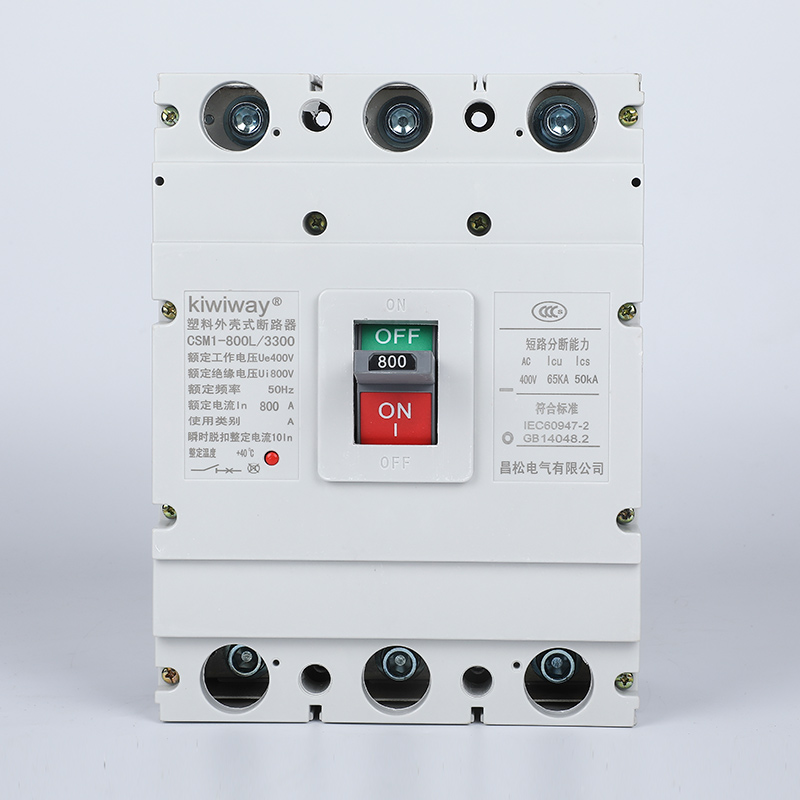
It was just past midnight when the pressure gauge on the steam boiler began to creep into the red zone. The overnight operator, half-asleep in his chair, never noticed the trembling needle. But a small, unremarkable switch mounted on the nearby wall did what it was designed to do—it sensed the pressure spike and tripped the circuit, shutting down the burner before the tank could rupture. In that moment, a fifty-cent component became the only thing standing between a quiet factory and a catastrophic explosion.
These kinds of switches hide in plain sight all around us: the thermal cutoff in your coffee maker, the overcurrent protector in a power strip, the dead-man’s handle on a subway train. They don’t have screens or smart sensors. They don’t need an internet connection. Their whole purpose is to wait silently, sometimes for years, for that one moment when attention fails and physics turns hostile. When they work, nothing happens—and that’s exactly the point.
We tend to overlook the humble switch until the day we need it most. It doesn’t care about margins or convenience; it just performs its single, stubborn act of disconnection. Maybe it’s time we give a little credit to these mechanical guardians. Because in a world obsessed with complexity, it’s often the simplest thing that saves us from the brink.
Decoding the Silent Protectors Inside Your Walls
Tucked behind drywall, buried in electrical panels, or hidden inside unassuming outlets, there's a quiet army of guardians that most of us never think about. These aren't mythical creatures or smart-home spies—they're the simple, mechanical (and sometimes electronic) brains that stand between everyday life and potential disaster. Circuit breakers, ground-fault circuit interrupters, arc-fault detectors, and even the humble fuse all spend their entire existence waiting for that one moment when something goes wrong. No applause, no recognition, just a constant, tireless vigil.
What makes them remarkable is how little they need from us. A breaker monitors the flow of current like a gatekeeper, ready to slam the door if too much electricity tries to rush through at once. The GFCI outlet compares incoming and outgoing current, tripping in milliseconds if even a tiny imbalance hints at a shock hazard. And newer arc-fault breakers are listening for the unique electrical noise of a dangerous spark, shutting things down before that spark can turn into flames. They are, in essence, devices that translate the invisible language of electricity into a simple ON or OFF command—no Wi-Fi, no updates, just physics and a well-made mechanism.
Of course, their silence can also be their biggest weakness. Because they rarely demand attention, it's easy to forget that they need a checkup now and then. A monthly press of a GFCI's "test" button, a periodic glance inside the breaker box for signs of rust or buzzing—these small acts are what keep the protectors healthy. When a breaker trips repeatedly or an outlet feels warm, it's not just an annoyance; it's the only voice these silent guardians have. Listening to it could be the difference between a minor repair and a headline-making fire.
Choosing a Guardian That Never Sleeps
When you start looking for a guardian that stays vigilant around the clock, the first thing to realize is that true tirelessness isn't about a physical being—it's about intelligent design. The systems that genuinely protect you day and night are the ones built to anticipate threats before they unfold. Instead of just reacting, they recognize patterns, filter out noise, and focus on what actually matters. That kind of attention to detail transforms passive surveillance into active protection, so you're never really alone, even when you're fast asleep.
Reliability comes from layers that support each other. A single sensor or a lone camera can fail, but a network that cross-checks and verifies through multiple channels creates a safety net that doesn't fray. Look for solutions where every element—from motion tracking to anomaly detection—works in harmony without constant manual intervention. The real value is in a guardian that learns your habits and knows when something is off, not just when a tripwire is crossed. That's how you get peace of mind without living on edge.
Beyond the Reset Button: Real Peace of Mind
We’ve all been there—hitting the reset button, hoping a fresh start will quiet the noise. But real peace of mind doesn’t come from wiping the slate clean; it comes from learning to sit with the mess and still feel okay. It’s less about erasing the hard parts and more about building a kind of inner steadiness that doesn’t flinch when life gets messy.
That steadiness isn’t built in a day. It’s the small, unglamorous habits—taking five minutes to breathe before reacting, setting a boundary you’ve been avoiding, or finally admitting you can’t do it all—that layer together over time. They don’t shout for attention, but they quietly rewire how you move through the world. Suddenly, you notice you’re sleeping a little better, or things that used to derail you feel more like ripples than waves.
Of course, it’s tempting to chase that dramatic “reset” moment—the vacation, the new job, the big move. But those are just shifts in scenery, not shifts in mindset. Real peace of mind is less cinematic and more like finally being at home in your own skin, even when the laundry piles up and the to-do list isn’t done. It’s the quiet confidence that you’ll handle whatever comes next, not because you’ve prepared for every outcome, but because you trust yourself to figure it out.
Matching the Right Shield to Your Home's Pulse
Every home hums with its own rhythm—the morning rush out the door, the quiet afternoon stillness, the weekend gatherings that spill into the backyard. This pulse shapes what makes your space feel safe and lived-in. A family with young children needs a different kind of peace of mind than a downtown apartment dweller who travels often, and a century-old house has different quirks than a modern build. Matching the right protection means listening to that daily cadence first.
Think of it like this: a kinetic household full of pets and kids might benefit from impact-resistant features that can handle a stray ball or an enthusiastic tail, while a tech-forward home could lean into integrated systems that blend unobtrusively with connected lights and thermostats. It’s not about layering on the most heavy-duty option available, but finding what moves with you—maybe reinforced points of entry that don’t complicate your comings and goings, or a solution that’s barely noticeable until you need it. The goal is something that feels like it belongs, not a fortress that fights your lifestyle.
Getting it right often comes down to the small, intangible things: how the lock clicks when you’re balancing groceries, whether the security panels actually suit your style, or if a simple upgrade lets you sleep deeper without second-guessing. The best shield isn’t the one that shouts the loudest—it’s the one tuned to how you really live, standing guard so seamlessly you almost forget it’s there.
FAQ
The best circuit breaker is one that matches your panel's specifications, offers reliable trip mechanisms, and comes from a brand known for durability. It should handle your household load without nuisance tripping while cutting power instantly during faults.
Absolutely. Standard breakers protect most circuits, GFCI breakers guard against ground faults in wet areas, and AFCI breakers prevent arc-related fires. Knowing which type goes where is key to a truly safe electrical system.
It comes down to consistent quality and availability. Both Siemens and Square D have been in the game for decades, so finding compatible breakers or replacement parts is easy, and their trip curves are well-documented, making system design predictable.
Most breakers last 30 to 40 years, but it’s smart to test them annually and replace any that feel warm, look corroded, or have tripped numerous times. Think of it as cheap insurance against a much larger electrical headache.
It's not recommended unless the panel manufacturer specifically lists them as compatible. Using mismatched brands can lead to poor connections, overheating, and even panel damage. Always check the panel's labeling.
The interrupting rating. Many DIYers just match the amperage, but if a breaker’s kAIC rating is too low for the available fault current, it can fail explosively during a bad short circuit. This rating matters for safety.
Definitely not. Upgrading the breaker without larger wiring is a serious fire hazard. If a 15-amp circuit trips under normal load, the problem is usually too many devices on that circuit, not the breaker being too small.
Flip it off and on; it should feel firm, not spongy. If it won't reset or trips immediately with no load, the breaker is likely worn out. For a more thorough check, an electrician can measure resistance or use a breaker analyzer.
Conclusion
Your home's electrical system relies on an unsung hero—the circuit breaker. Often overlooked, these devices act as the hidden heartbeat of safety, constantly monitoring current flow. A simple switch stands between you and potential disaster, cutting power in fractions of a second when a fault occurs. Unlike other appliances, these silent protectors inside your walls never sleep, tirelessly guarding against overloads and short circuits. Choosing the right one is not just about technical specs; it's about selecting a guardian that aligns perfectly with your household's energy demands and wiring age, ensuring seamless protection day and night.
Peace of mind comes from more than just a reset button. A reliable circuit breaker offers real assurance, preventing fires and equipment damage before they start. Modern options incorporate advanced arc-fault and ground-fault detection, adding layers of intelligence. Matching the correct amp rating and type to your home's electrical pulse is crucial—too sensitive and it trips unnecessarily, too lenient and it fails when needed most. Investing in a top-tier breaker from a trusted brand means you're not just buying a component; you're fortifying the invisible shield that keeps your family safe.
Contact Us
Contact Person: Tonglun Chen
Email: [email protected]
Tel/WhatsApp: 8618906642555
Website: https://www.cncsele.com