

How to Troubleshoot a Frequently Tripping MCCB
2026-01-20
A frequently tripping MCCB (Molded Case Circuit Breaker) is a common yet serious issue in electrical systems. It signals an underlying problem that demands immediate attention to prevent equipment damage, downtime, or safety hazards. As a leader in circuit protection solutions, FATO understands the critical need for reliable system performance. This guide provides a professional, step-by-step approach to diagnosing and resolving nuisance tripping in your MCCB.
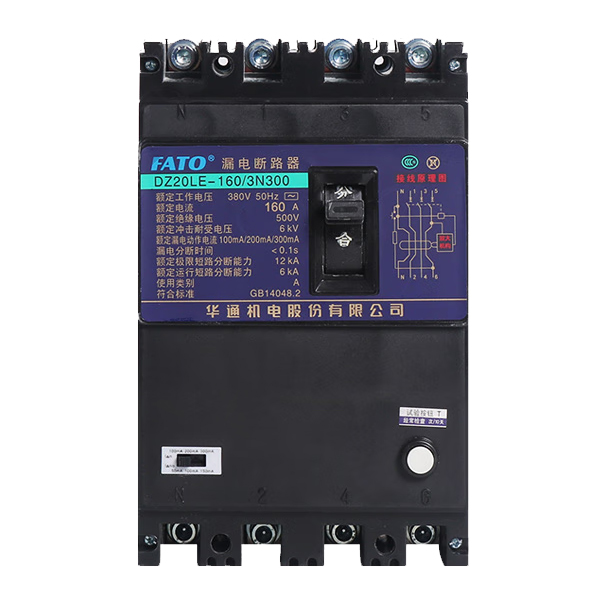
A systematic investigation is crucial. Follow this logical troubleshooting sequence:
-
Investigate the Load. Begin by checking for overloads. Use a clamp meter to measure the current on each phase and compare it to the MCCB's rated current. An overload exceeding 105-110% of the rating will cause a thermal trip.
-
Check for Short Circuits. Inspect the connected cables, terminals, and equipment for signs of damage, burns, or loose connections that could cause a short circuit or ground fault, triggering an instantaneous magnetic trip.
-
Examine the MCCB Itself. Environmental factors like excessive heat, dust, moisture, or corrosion can affect the breaker's internal mechanism. Ensure it is installed in a suitable location.
-
Review Coordination Settings. If the MCCB has adjustable trip settings, verify they are correctly configured for the specific load and are properly coordinated with upstream and downstream devices.
To aid your diagnosis, refer to this table of common trip causes and indicators:
| Trip Cause | Typical Indication | Investigation Tool |
|---|---|---|
| Overload | Trip occurs after a period of operation (minutes/hours). | Clamp Meter, Load Logs |
| Short Circuit | Immediate trip, often with a loud "bang". | Insulation Tester, Visual Inspection |
| Weak Insulation/Ground Fault | Irregular tripping, sometimes related to humidity. | Megger (Insulation Resistance Tester) |
| Faulty MCCB | Trip occurs randomly or under low/no load. | Professional Testing & Calibration |
MCCB FAQ
Q: Can a slightly overloaded MCCB cause damage even if it doesn't trip immediately?
A: Yes. Persistent operation even slightly above its rated current causes cumulative overheating within the MCCB and the wiring, degrading insulation and reducing the lifespan of all components, potentially leading to premature failure.
Q: How often should an MCCB be maintained or tested?
A: The frequency depends on the operating environment and criticality. For standard industrial settings, a visual and mechanical inspection every 6-12 months is advised. Electrical testing, including trip simulation, should be performed by a qualified technician every 1-2 years or as per the manufacturer's guidelines and local regulations.
Q: Is it safe to simply replace a frequently tripping MCCB with one of a higher current rating?
A: Absolutely not. The MCCB rating must match the current-carrying capacity of the circuit cables. Upsizing the breaker without upsizing the wiring creates a severe fire risk, as the wires could overheat and ignite before the breaker trips. The root cause of the tripping must always be identified and fixed.
Persistent MCCB problems often point to complex system issues. Don't let unreliable circuit protection disrupt your operations or compromise safety. Trust the precision and durability of FATO protection devices. Contact our expert engineering team today for a professional assessment or to explore our range of high-performance MCCBs designed for ultimate system reliability.